
Filmstock Review: Arista Pan 100
This is a cheap film stock, currently on sale, for 5 rolls for $20($4/roll) at Freestyle Photography Supply in Los Angeles. The price was right, so I’d thought I’d see what I could do. So far I’ve shot 3 rolls of the stuff. One at box speed, and the remaining two pushed to 400 and 1600. Perhaps next roll I might try pulling.
For a cheap film, it works pretty well. Especially if you are just scanning them. Lets take a look.
This is a cheap film stock, currently on sale, for 5 rolls for $20($4/roll) at Freestyle Photography Supply in Los Angeles. The price was right, so I’d thought I’d see what I could do. So far I’ve shot 3 rolls of the stuff. One at box speed, and the remaining two pushed to 400 and 1600. Perhaps next roll I might try pulling.
For a cheap film, it works pretty well. Especially if you are just scanning them. Lets take a look.
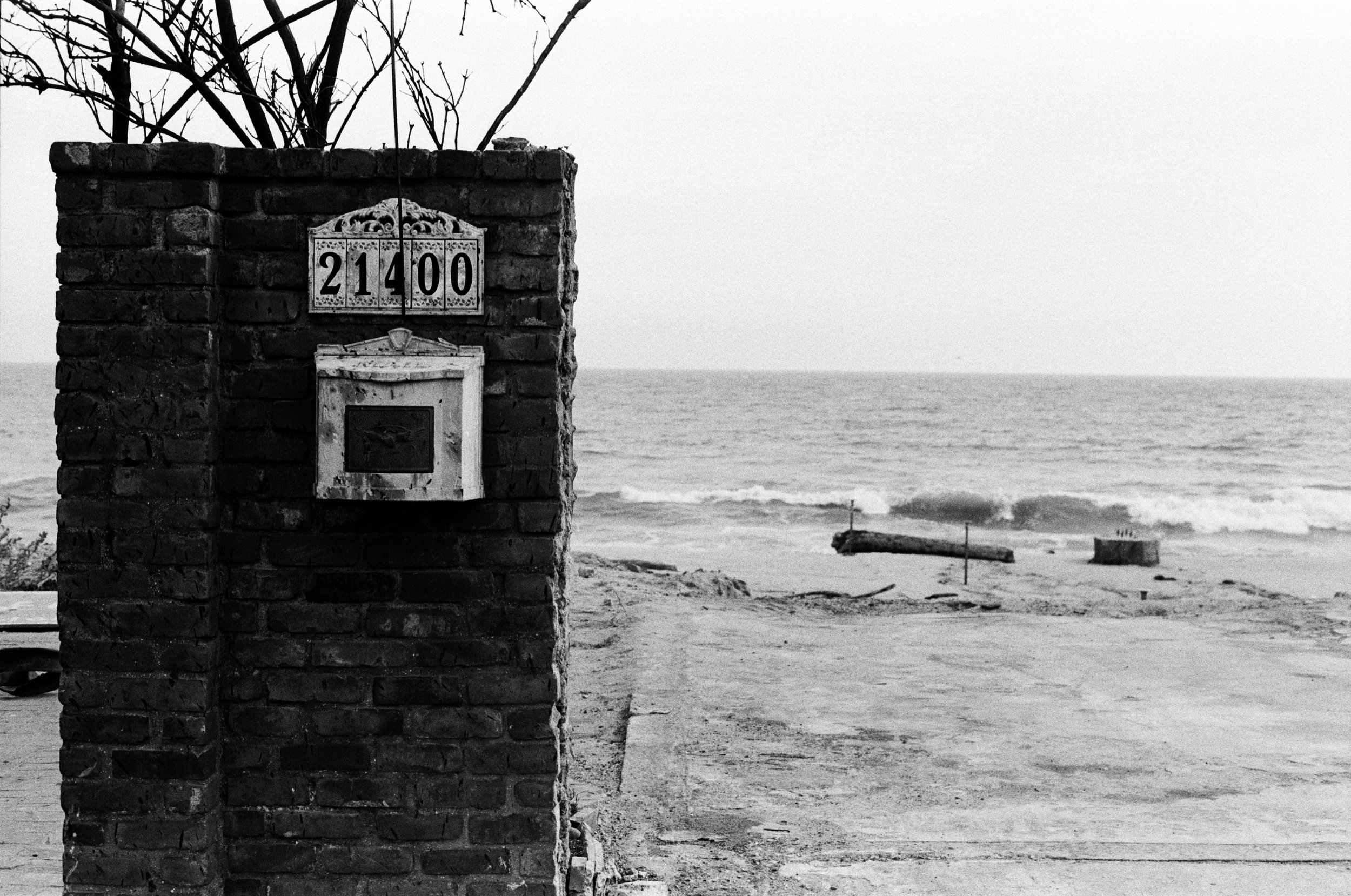
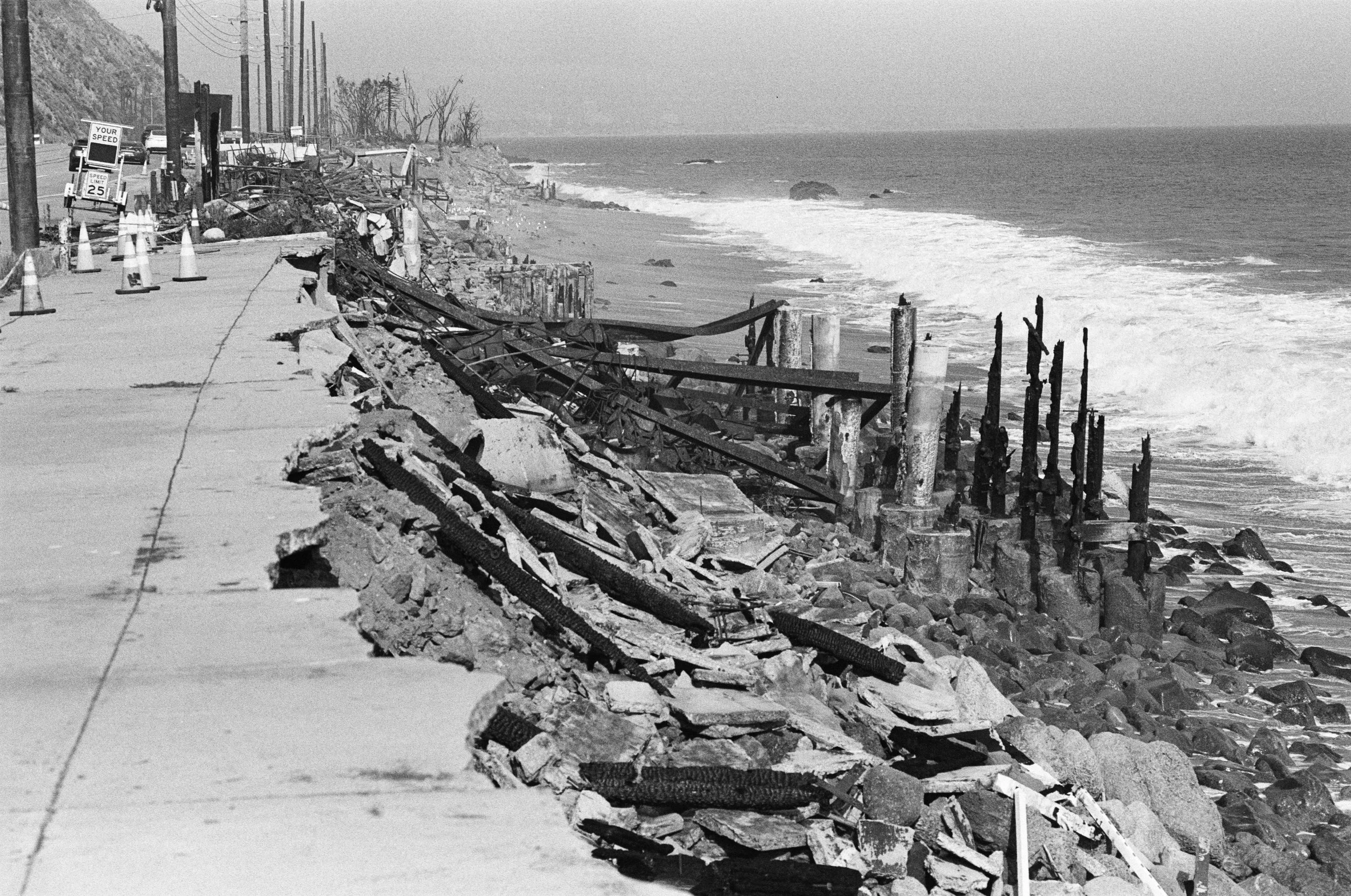
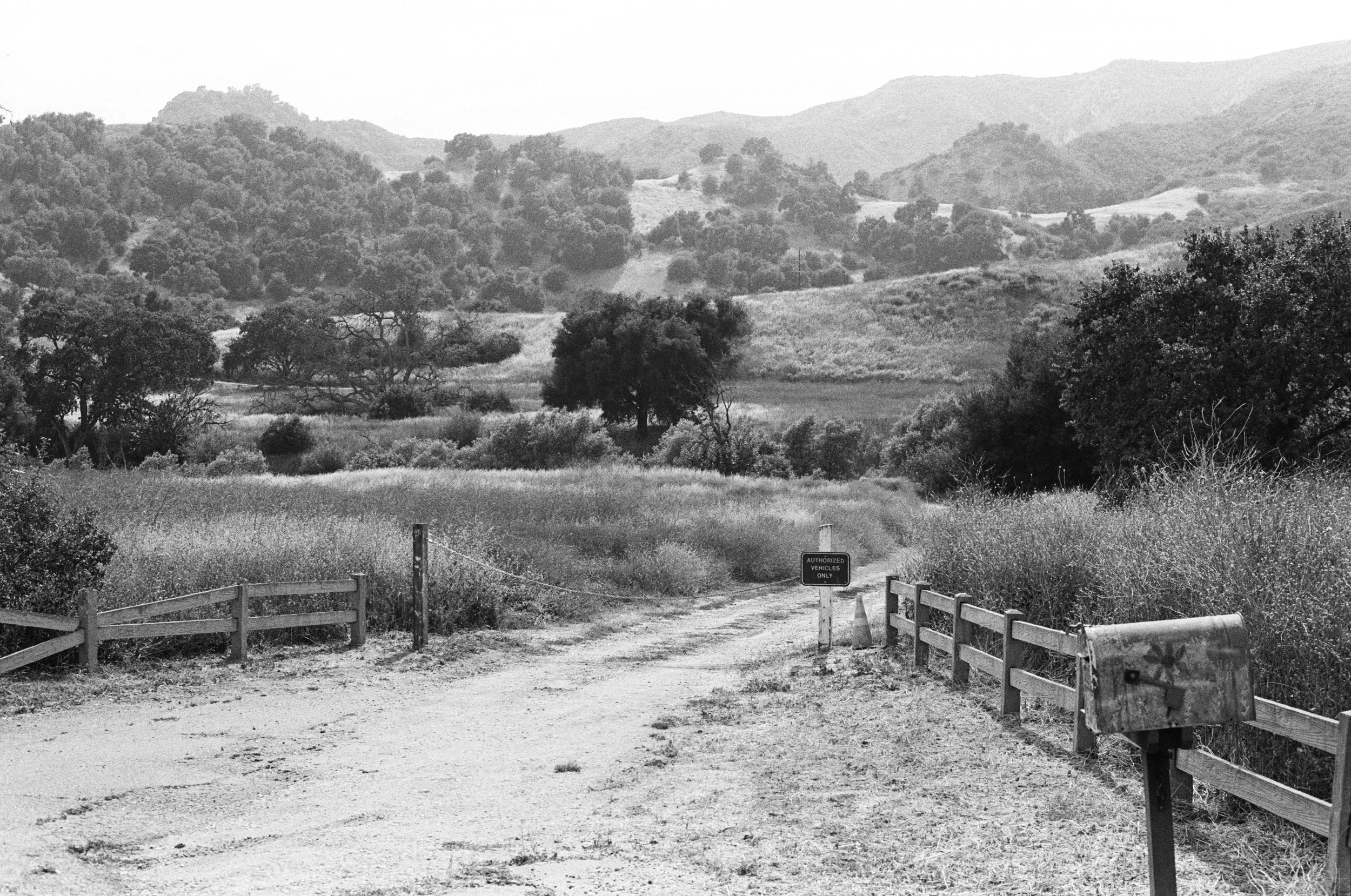
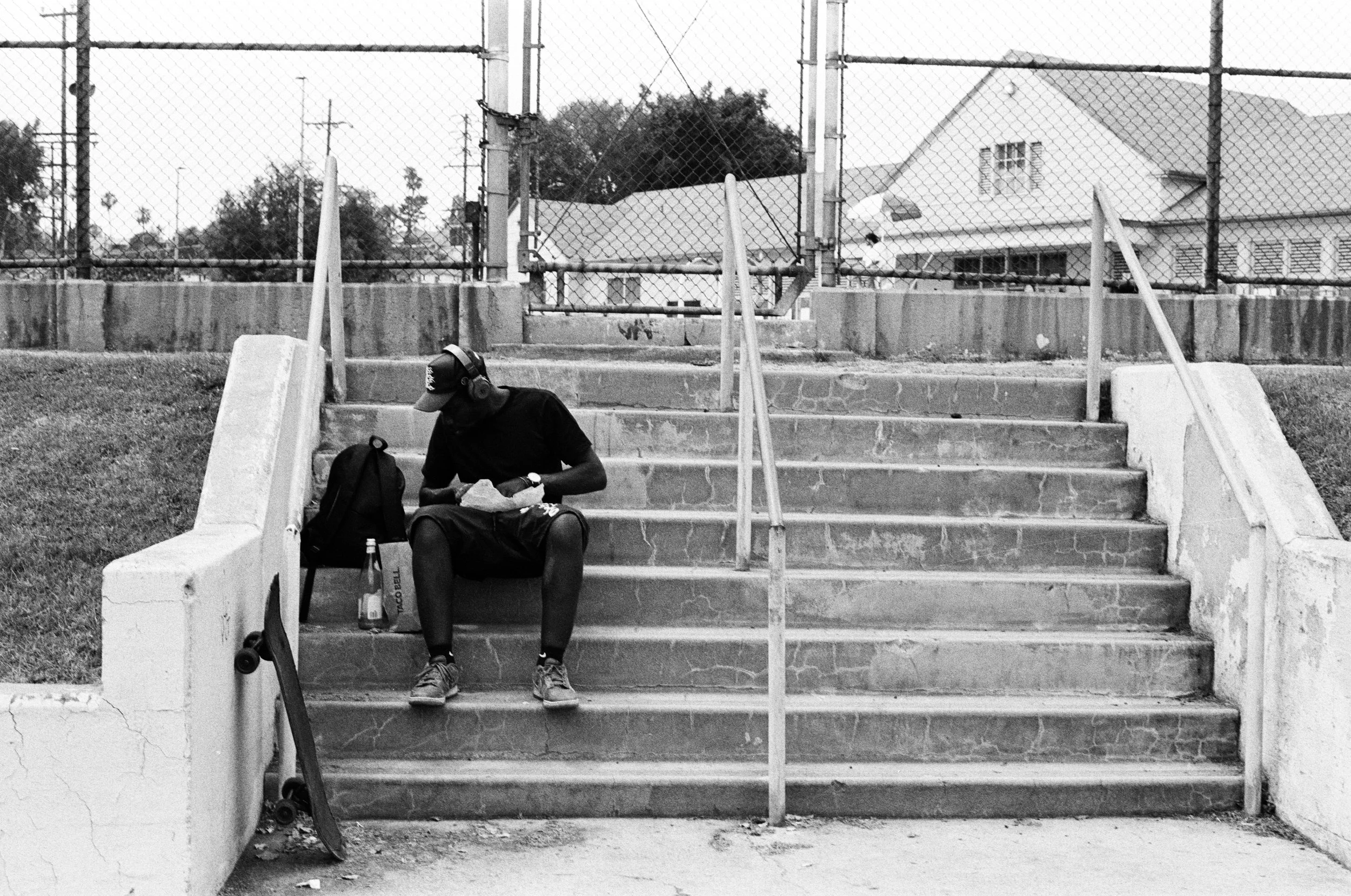
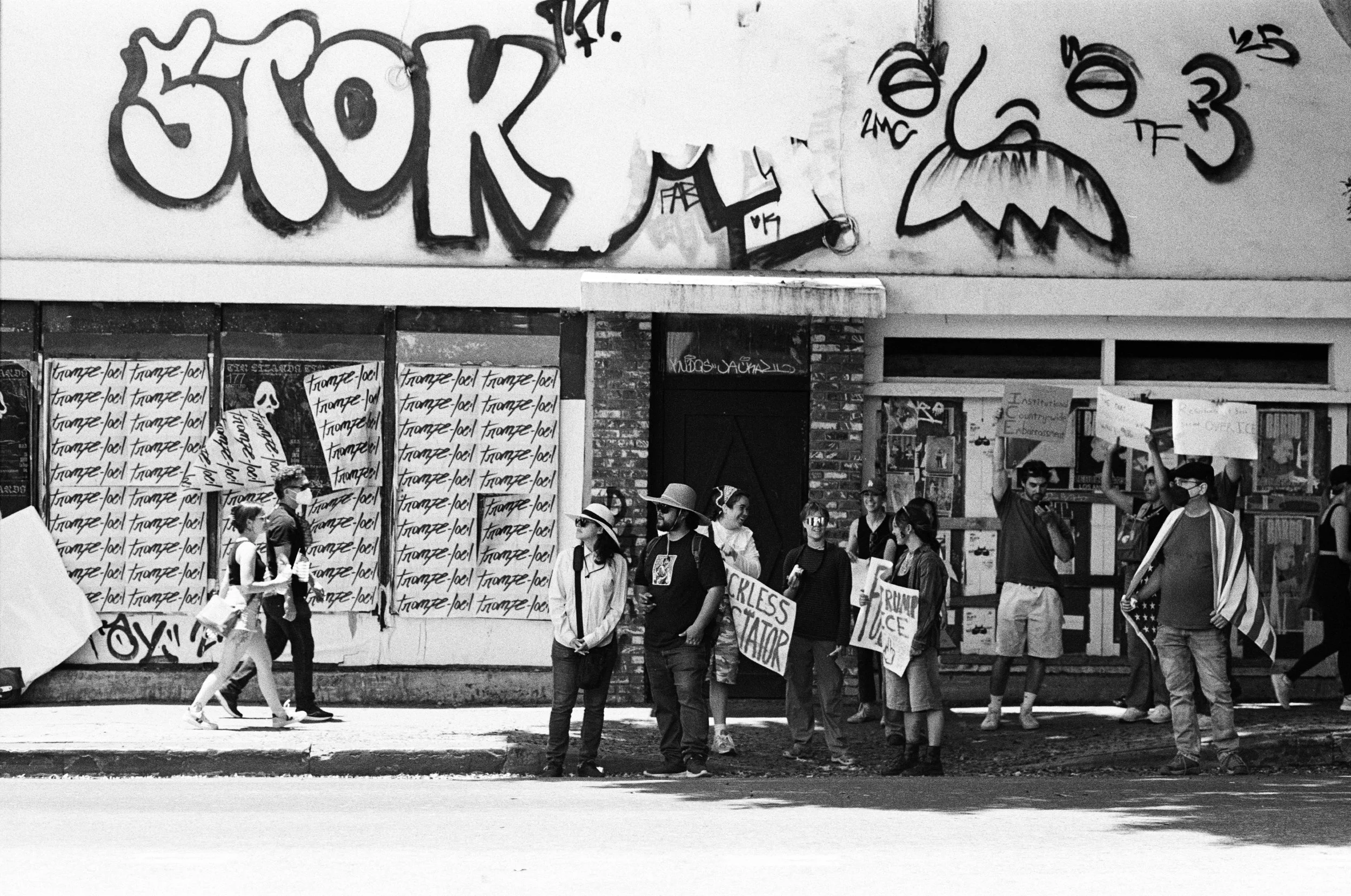
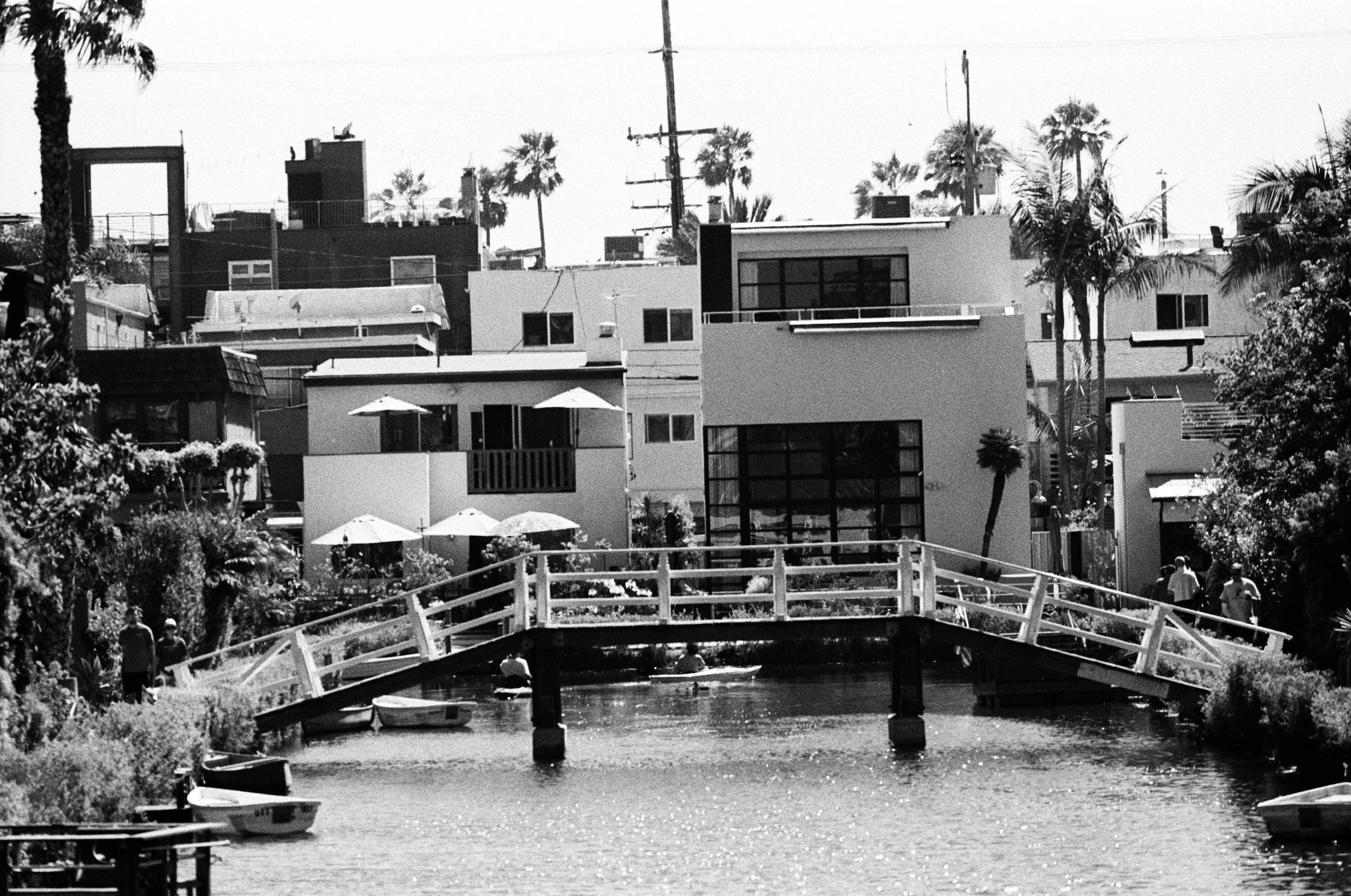
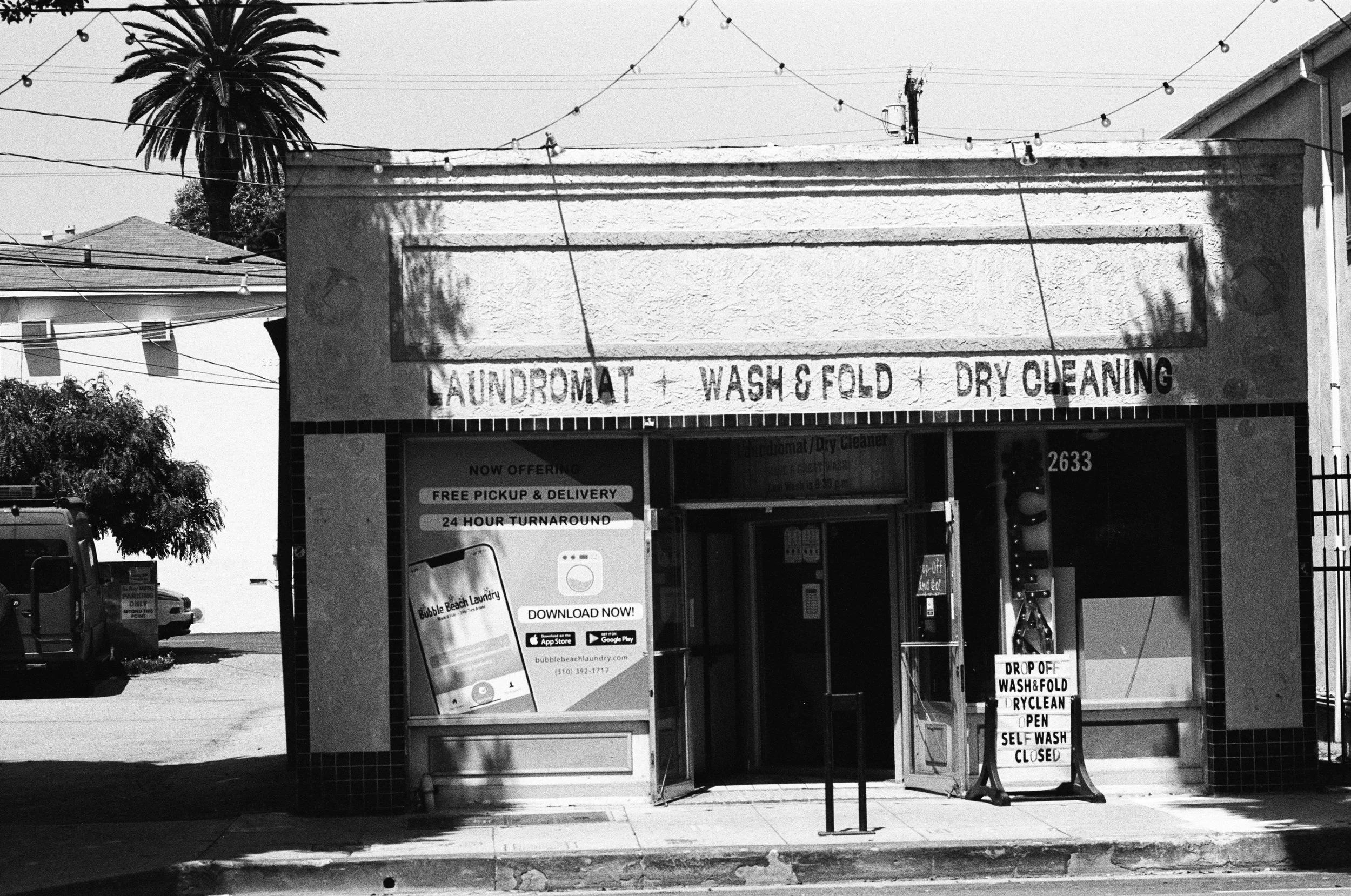
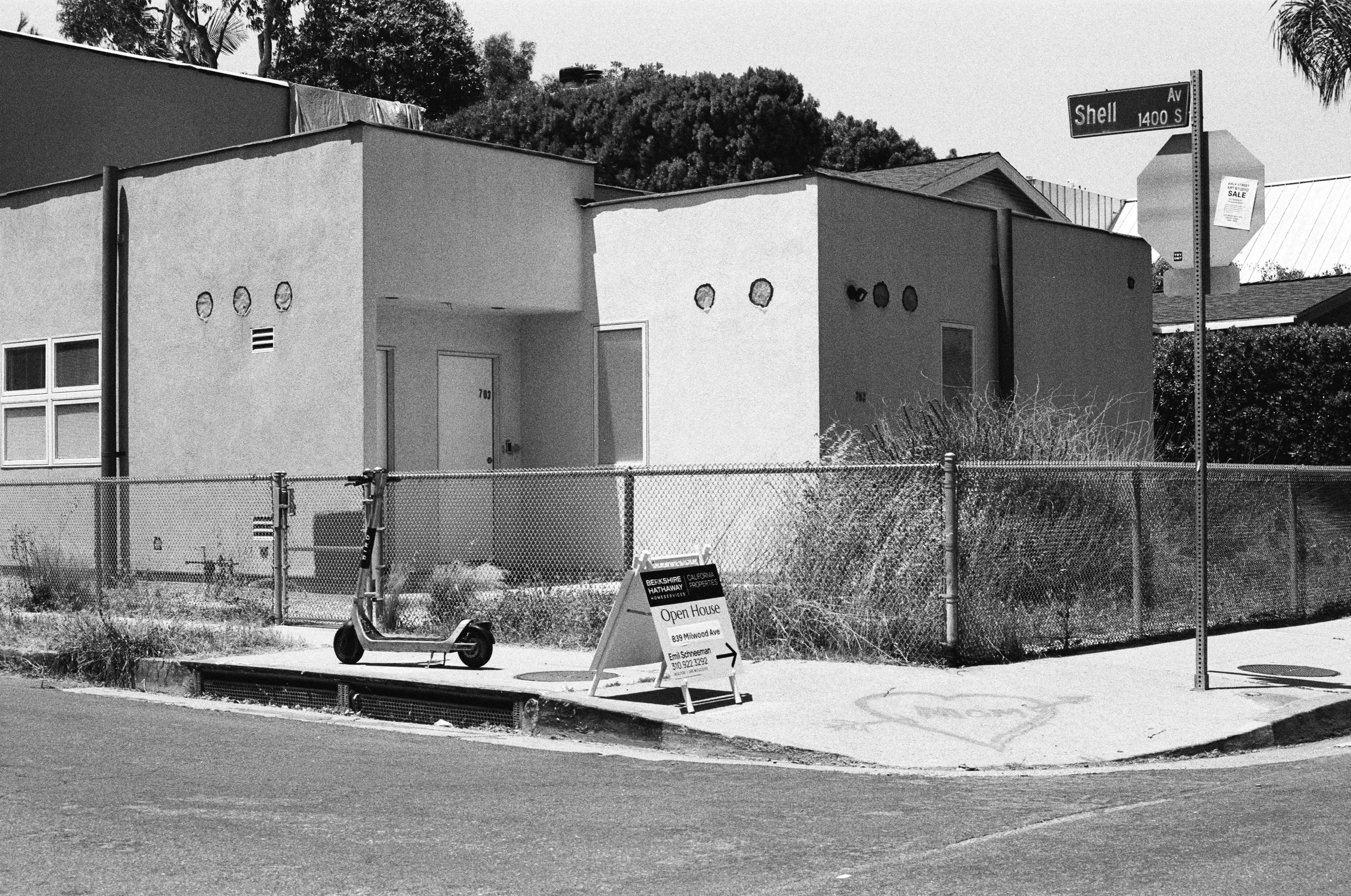
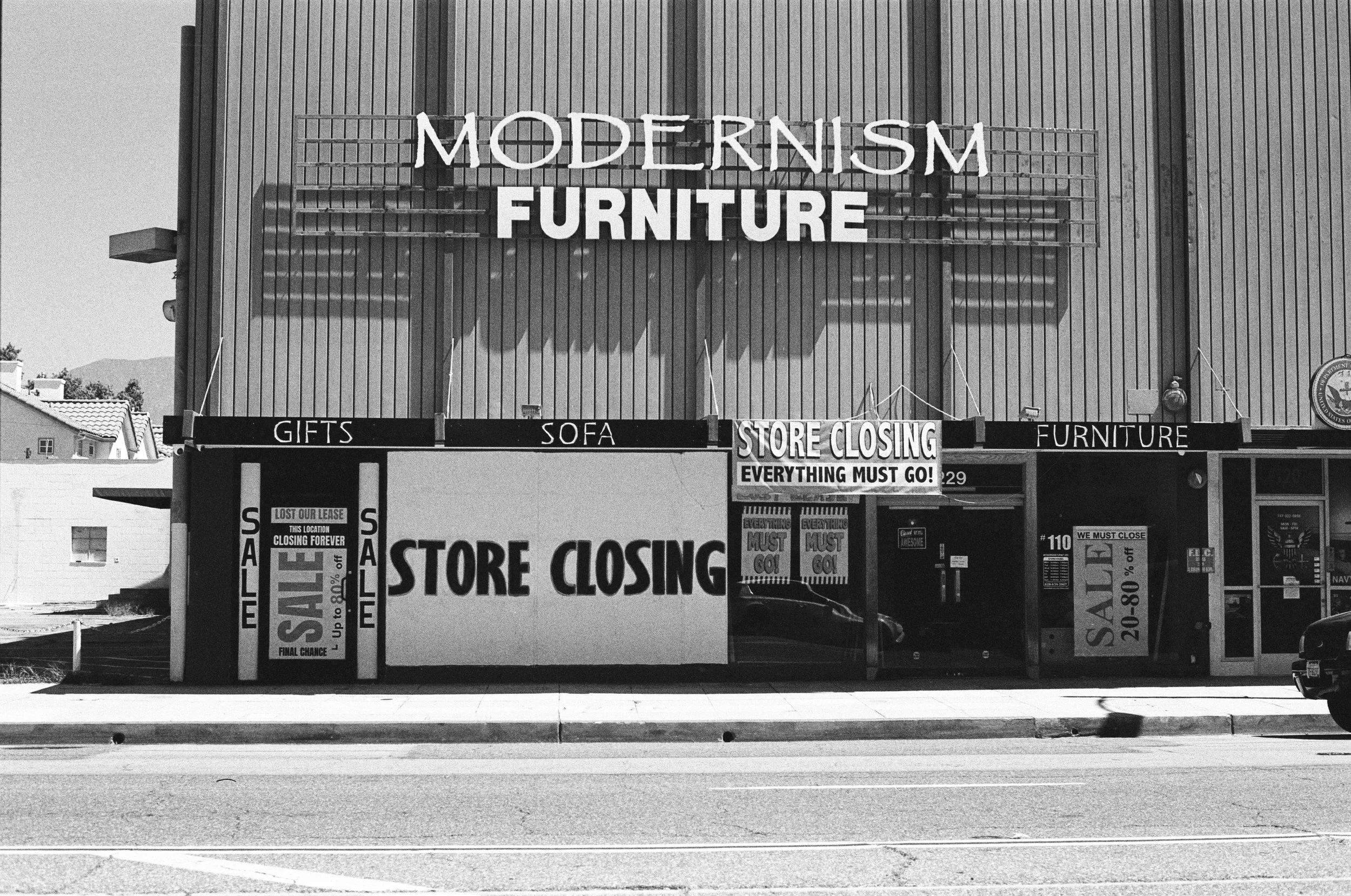
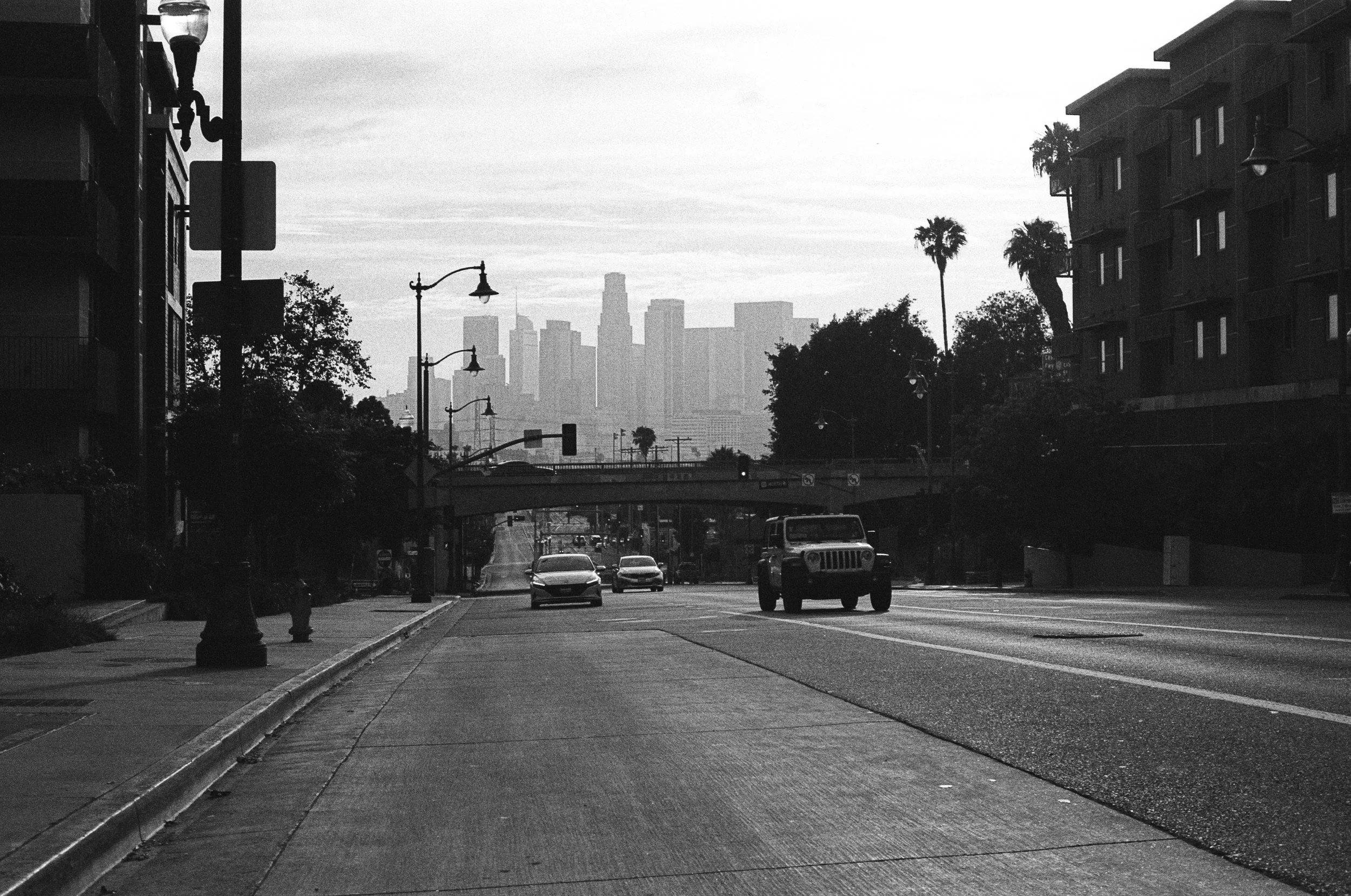
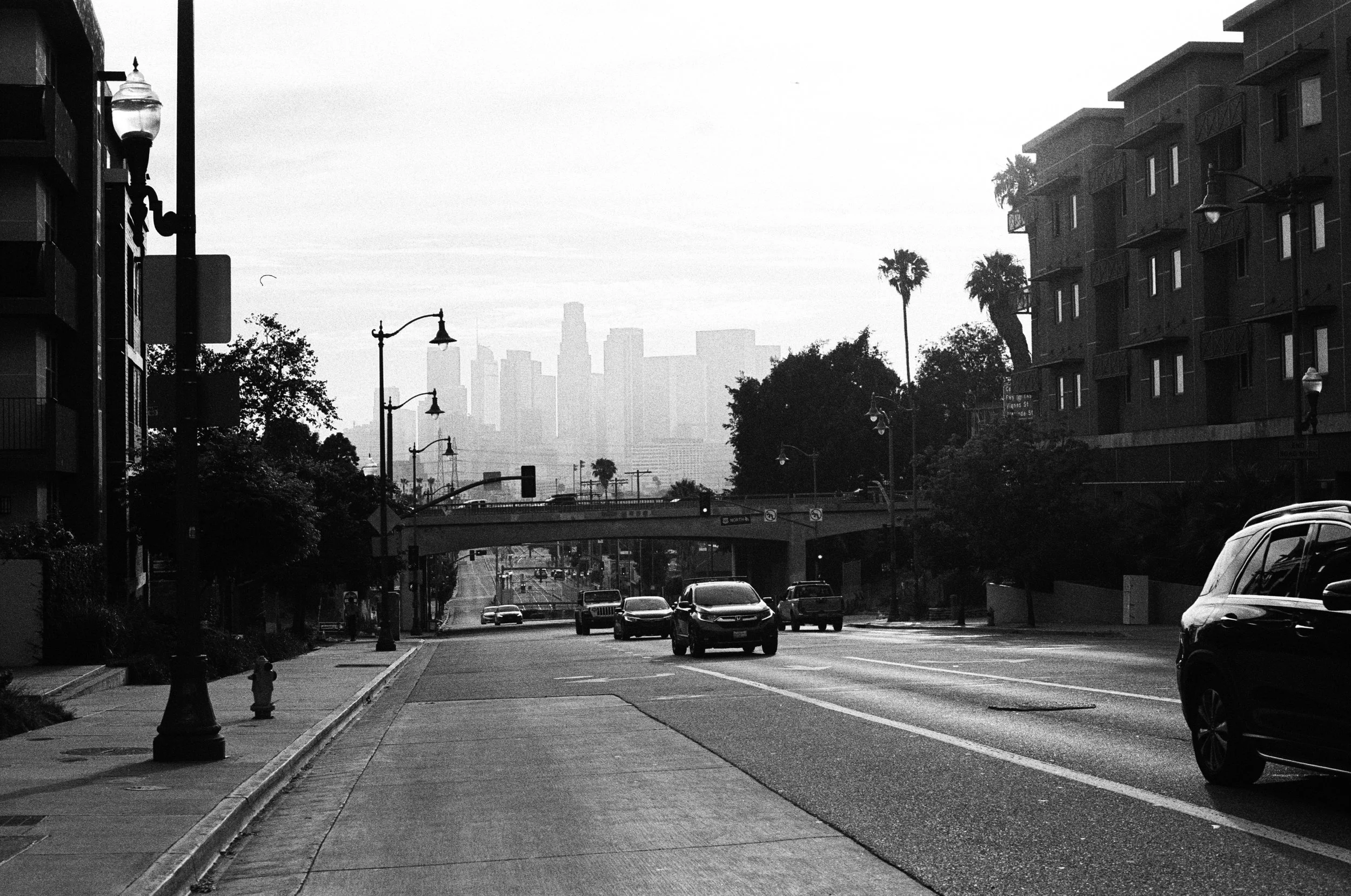
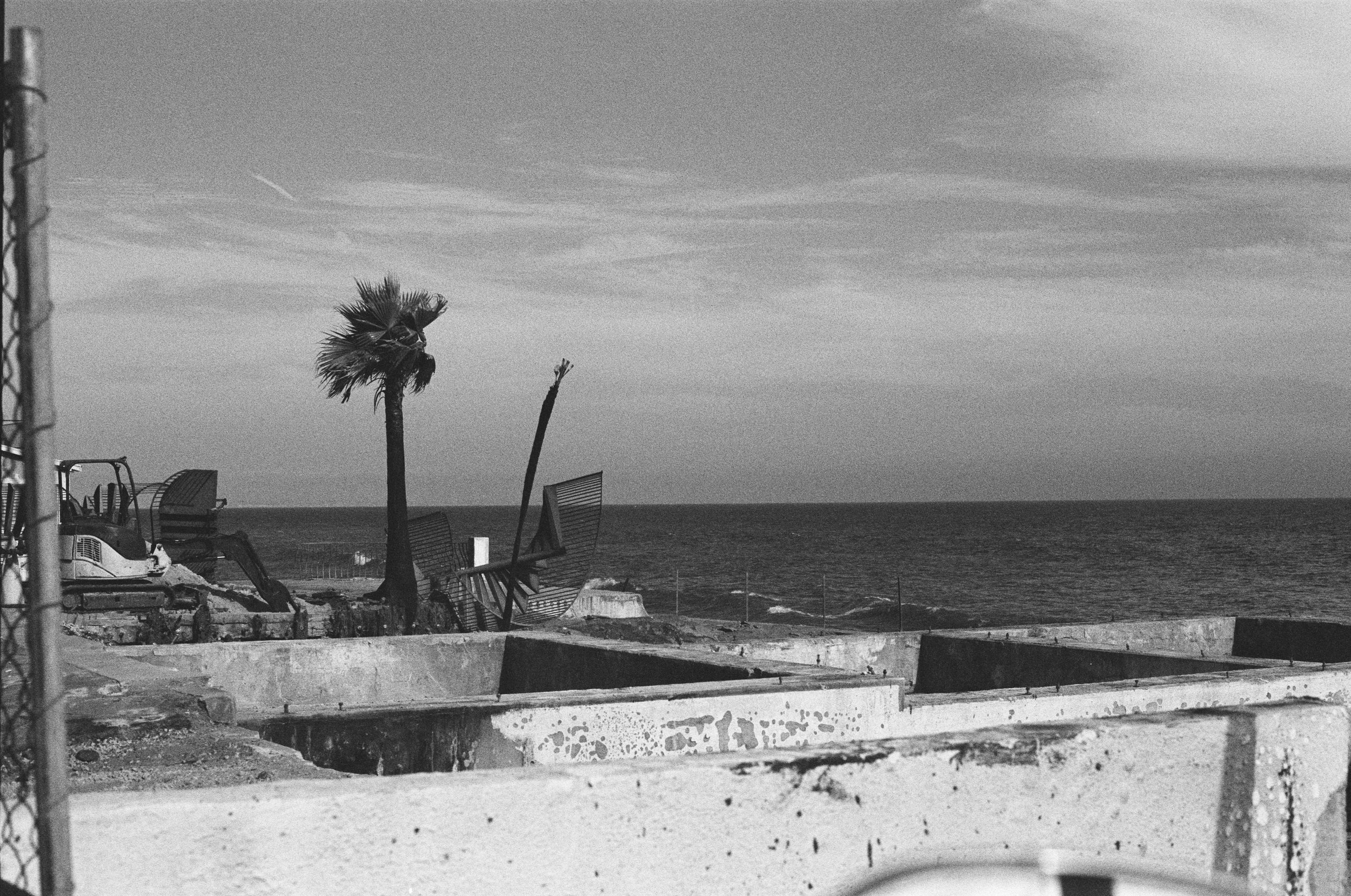
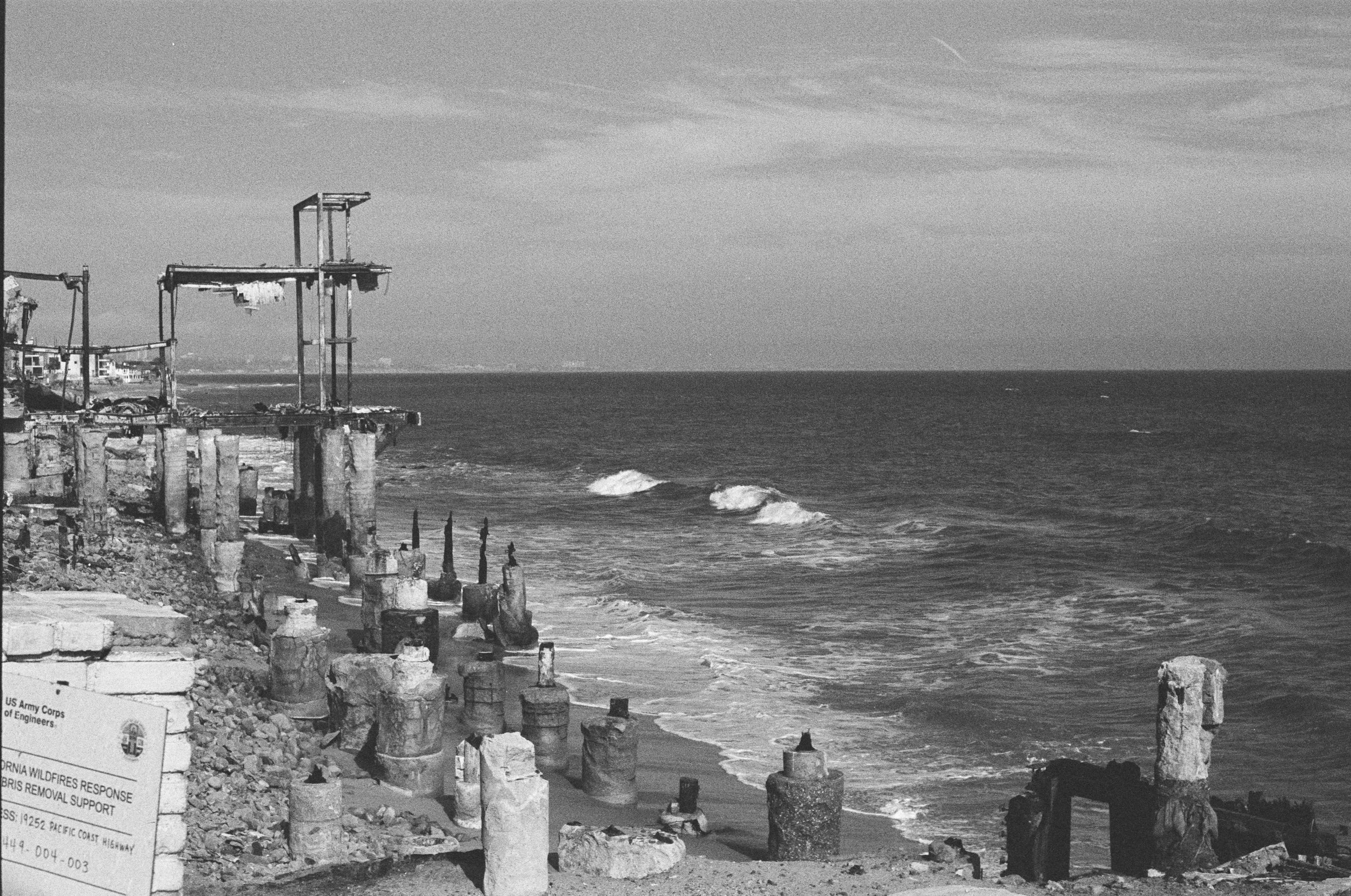
ISO 100 - Box Speed
I did a decent ride around LA County on my motorcycle. I stopped at a protest for people, hit the mountains, the PCH for ocean, and got urbanscapes and landscapes. Very reminiscent of TriX.
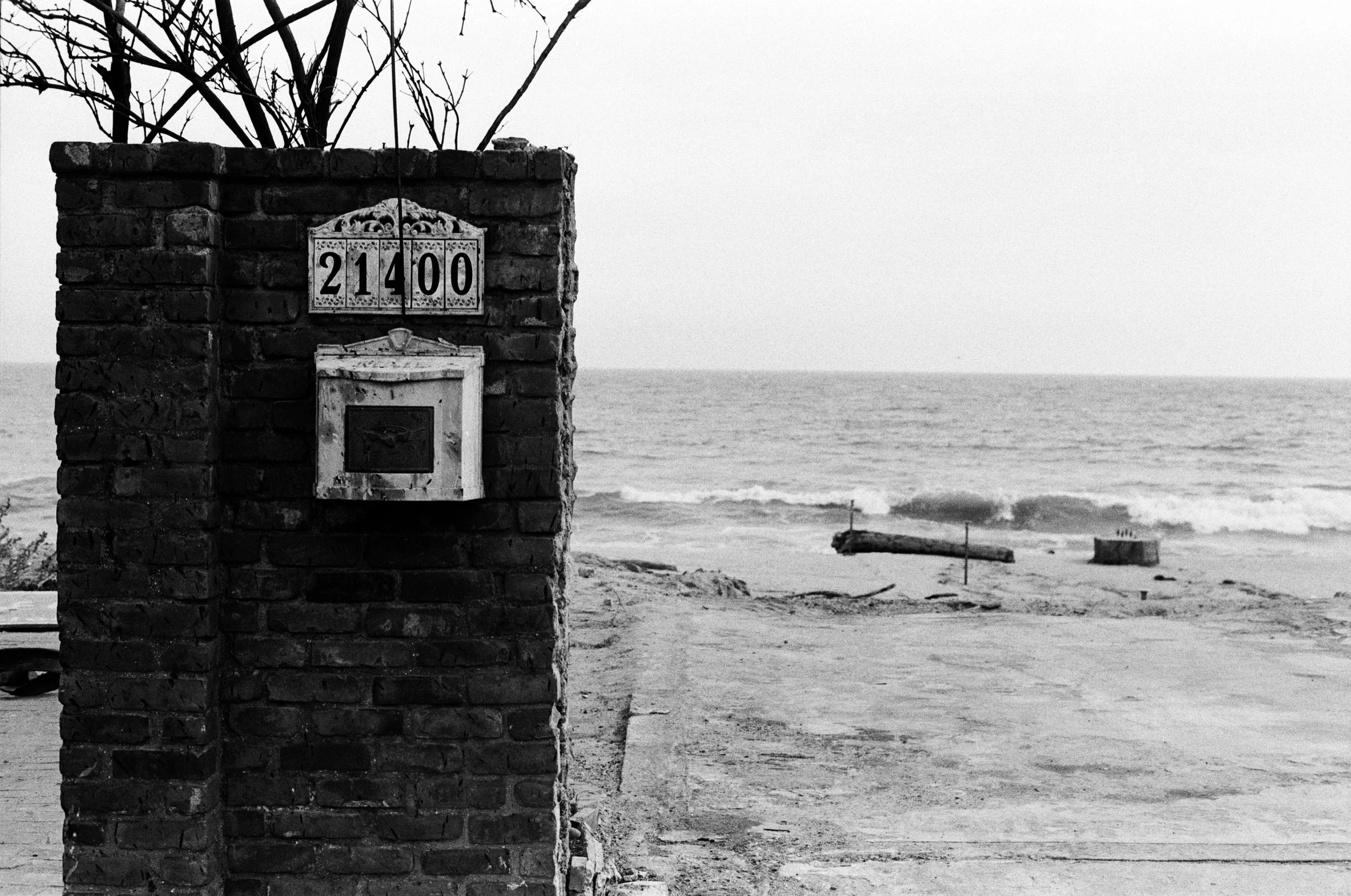
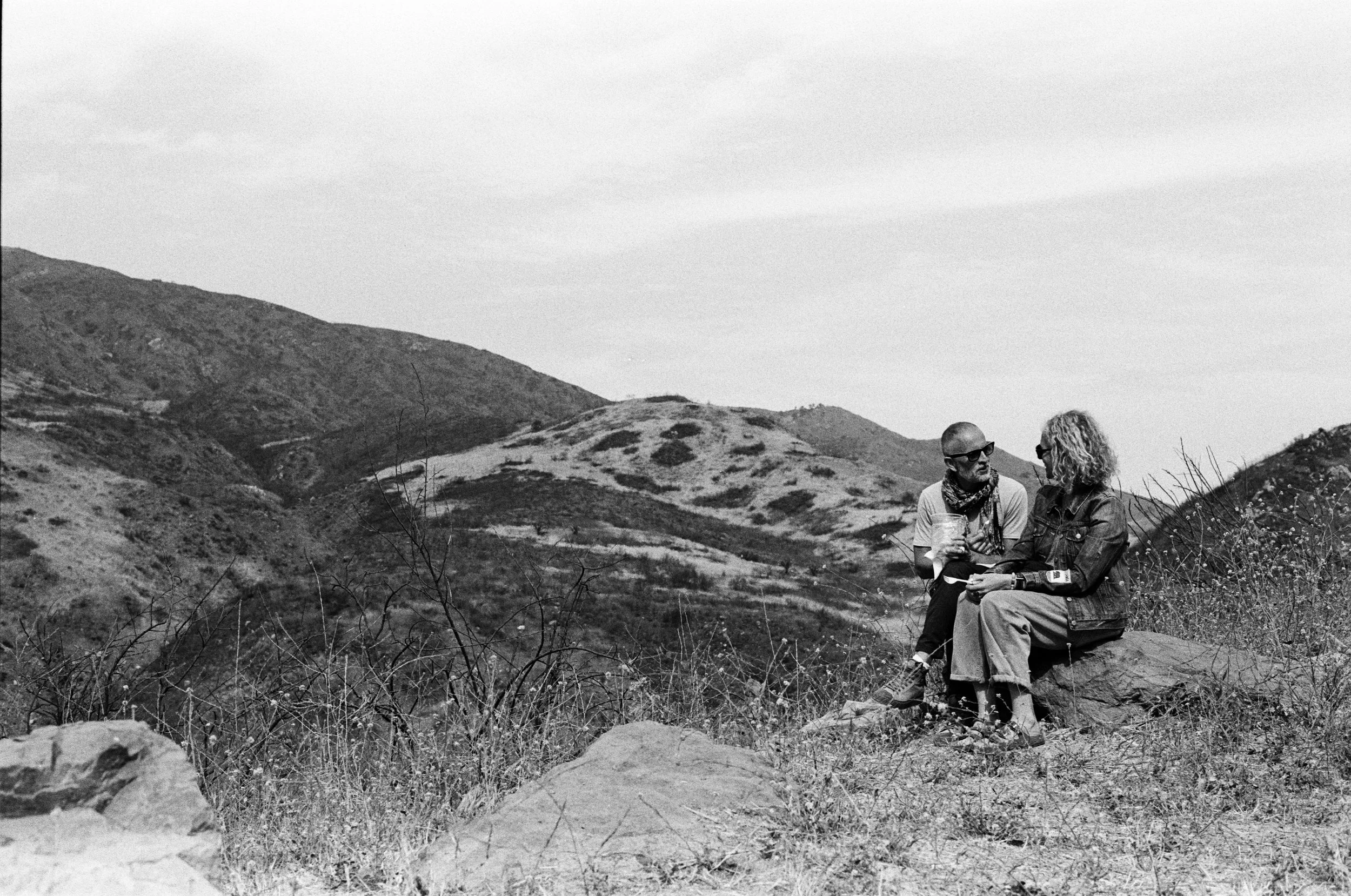
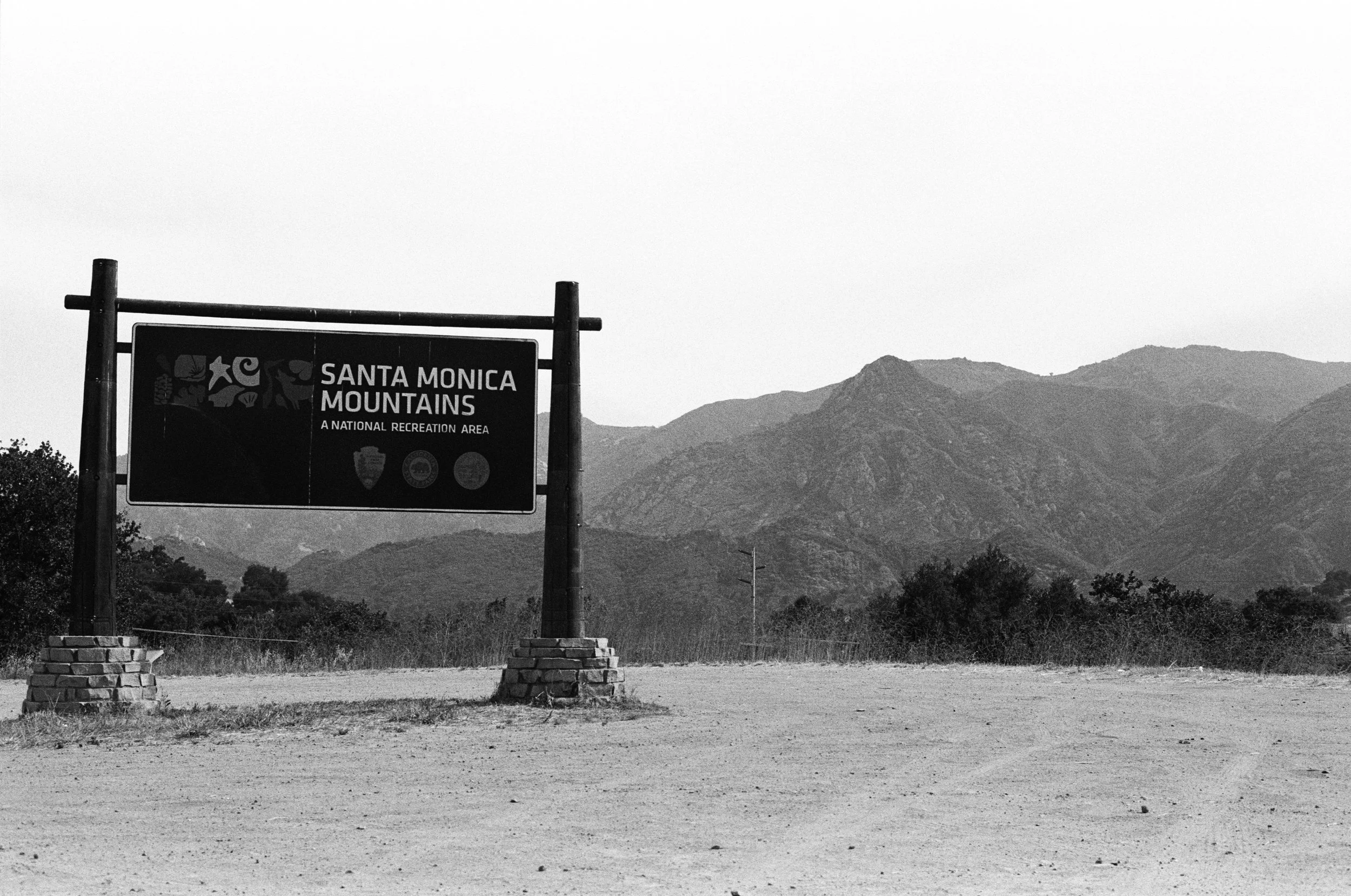
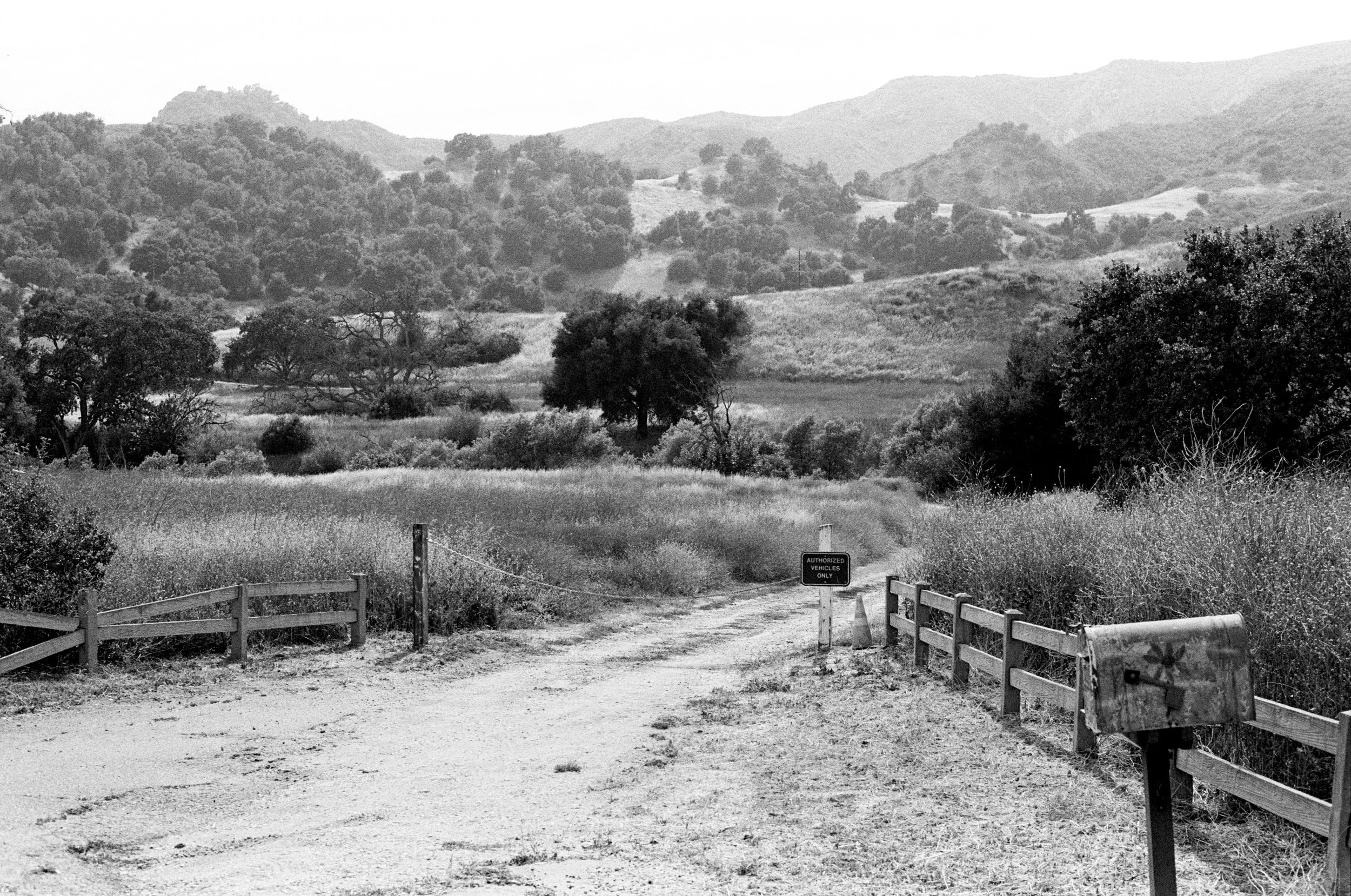
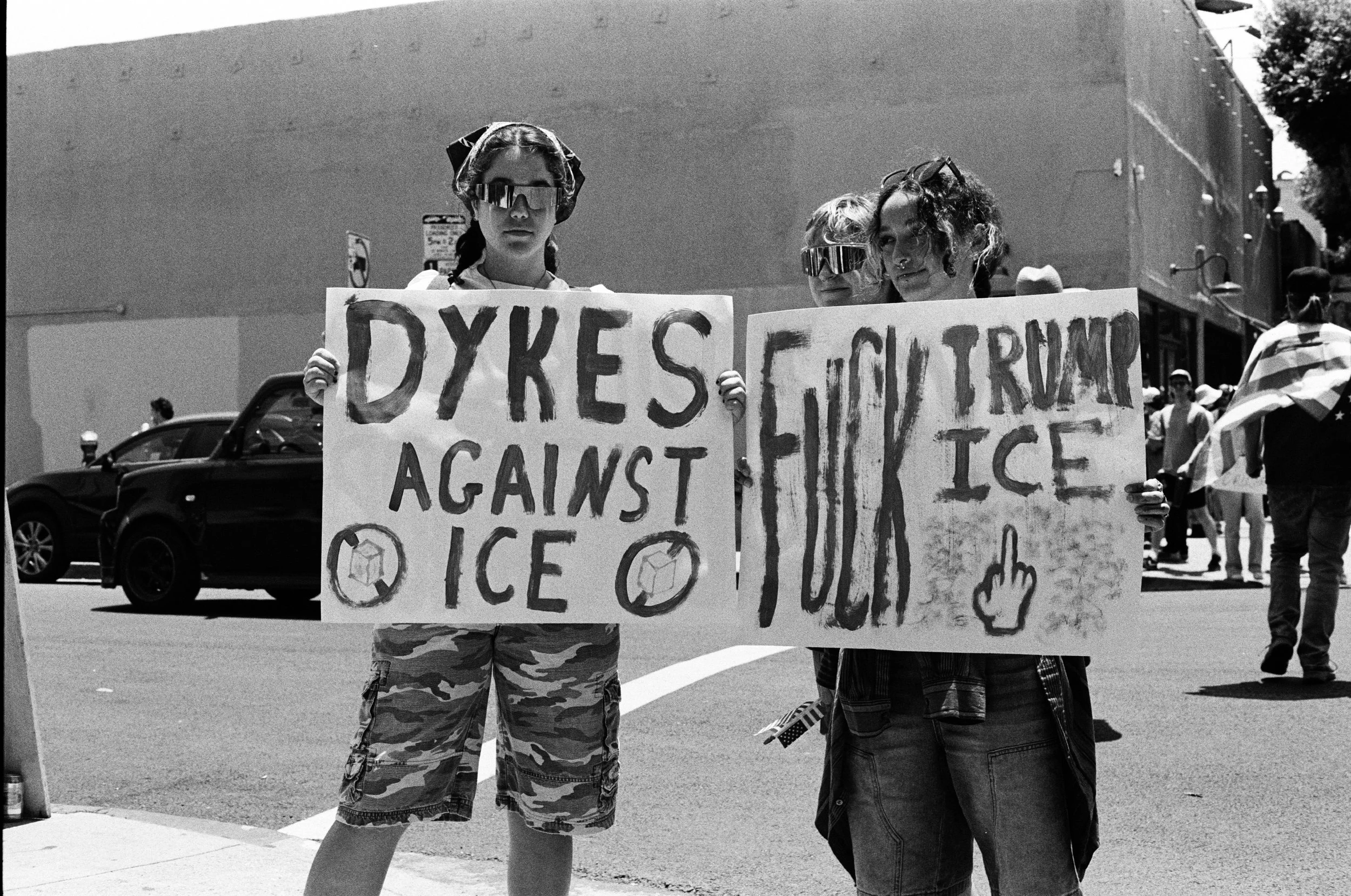
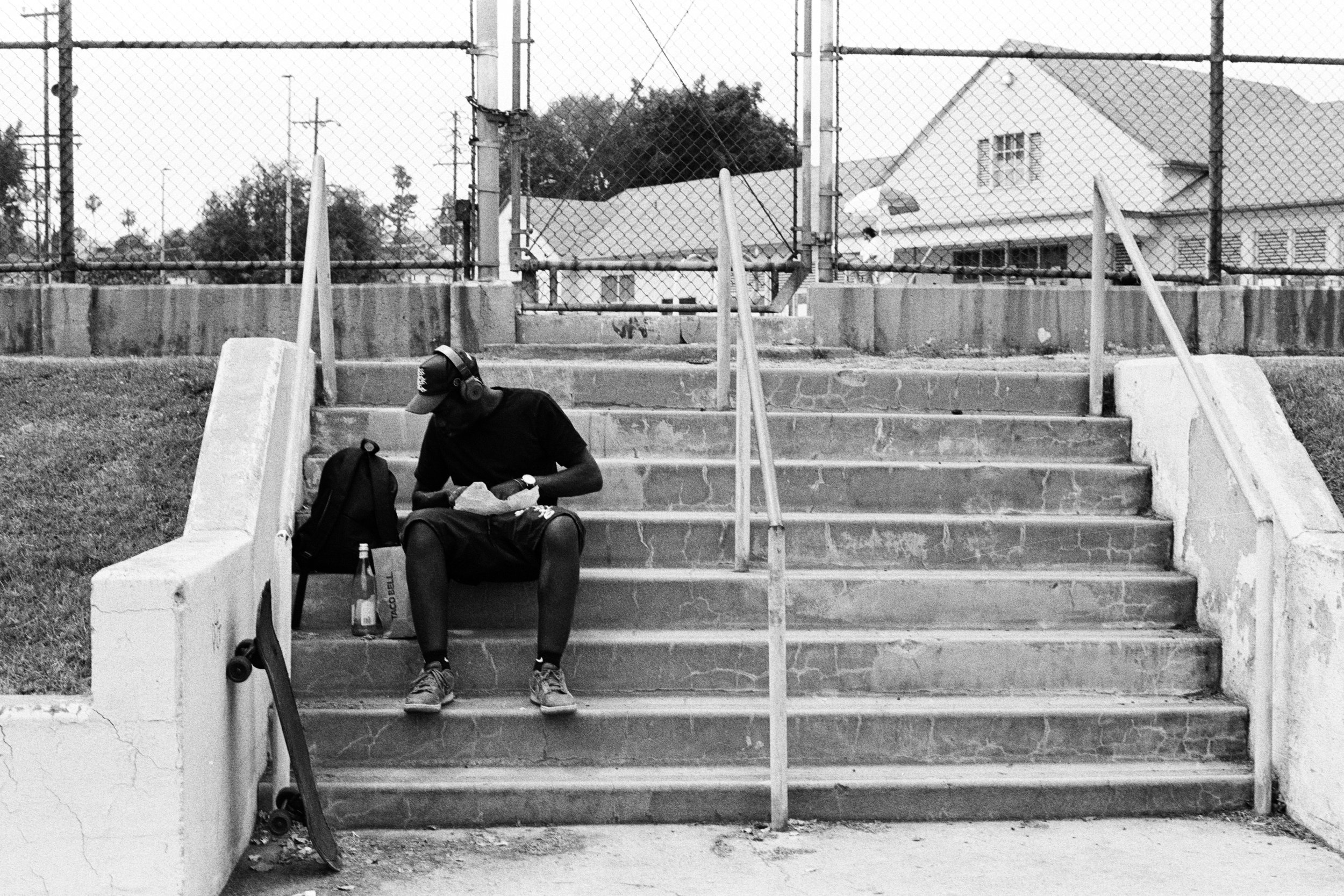
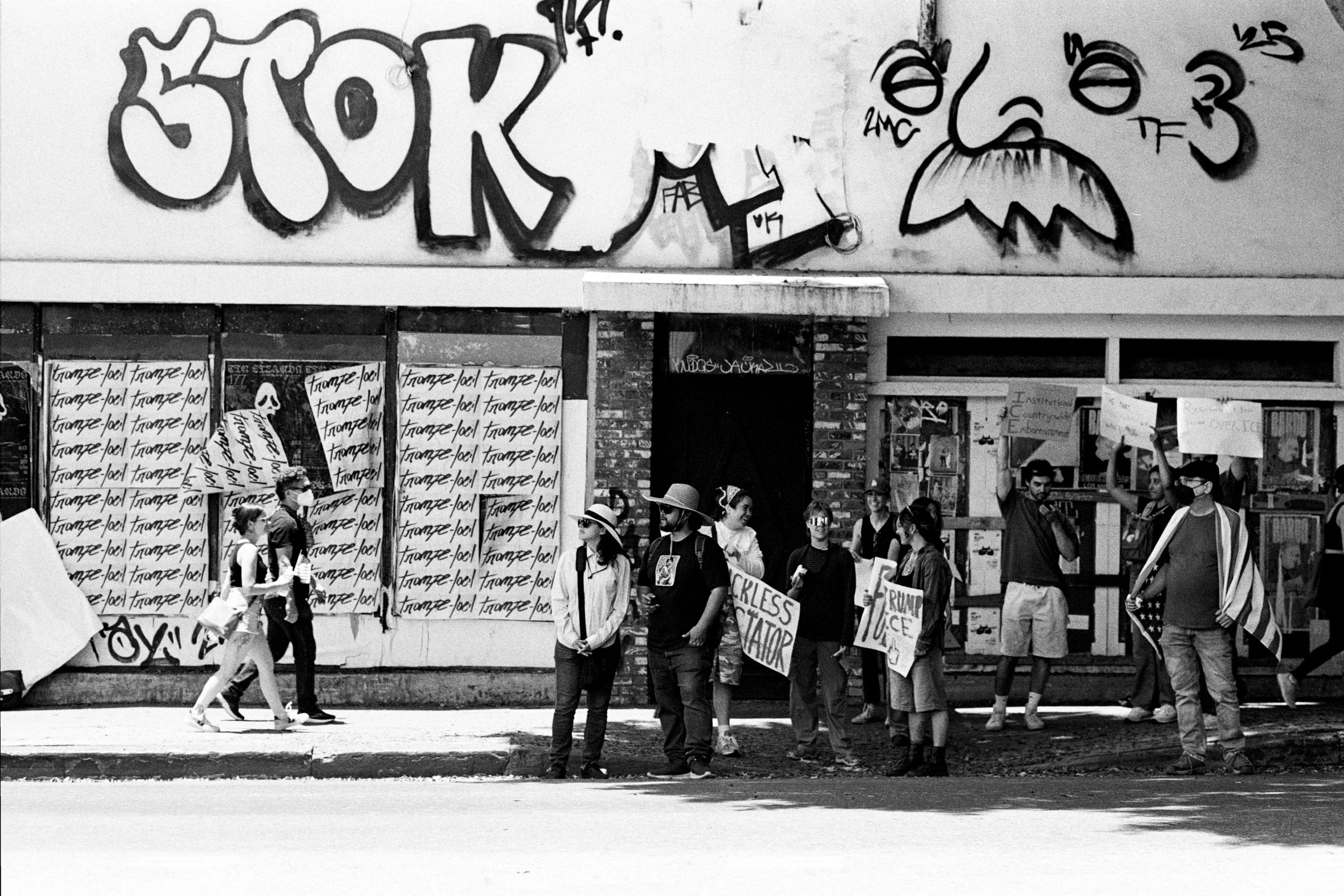
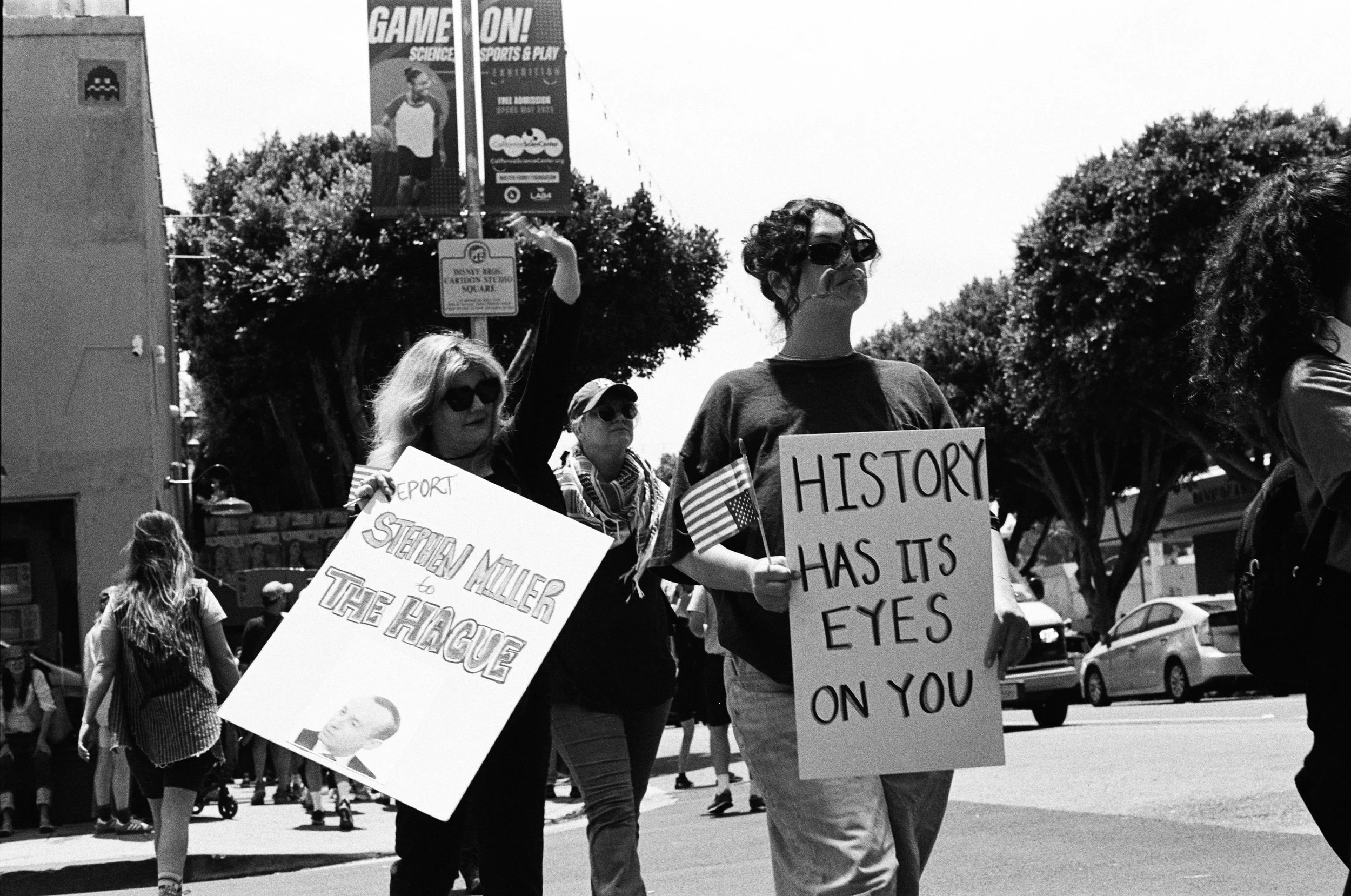
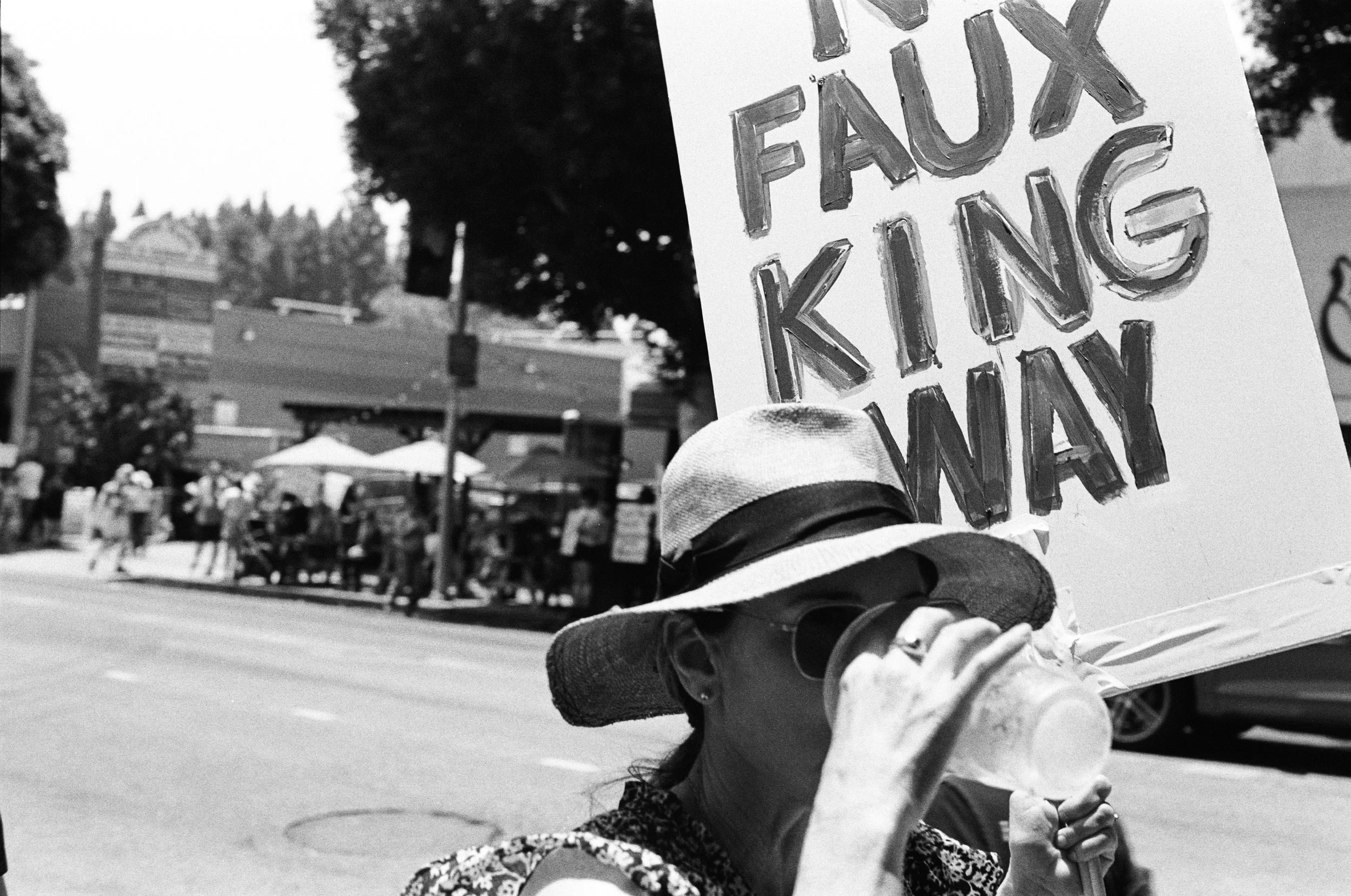
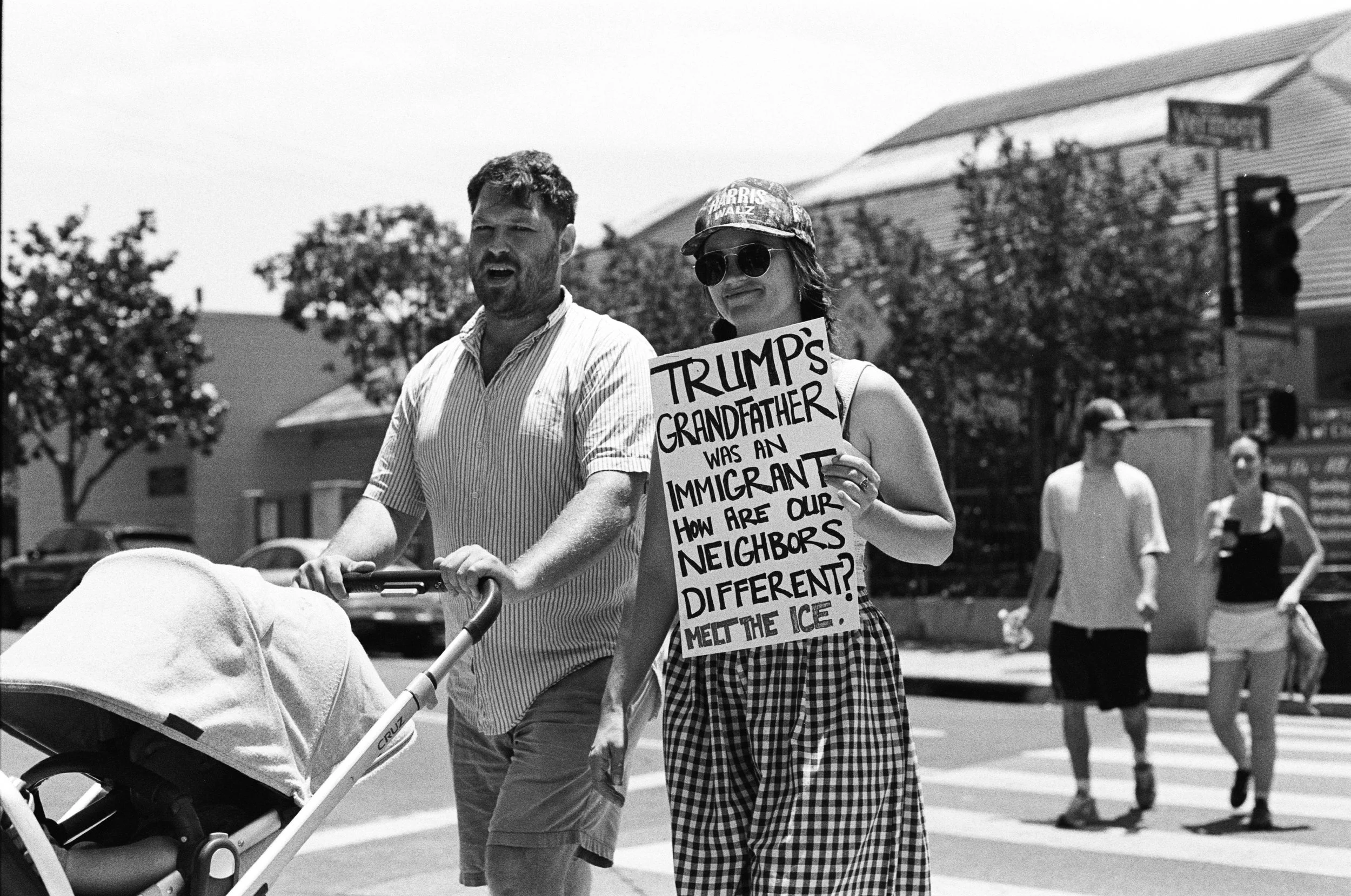
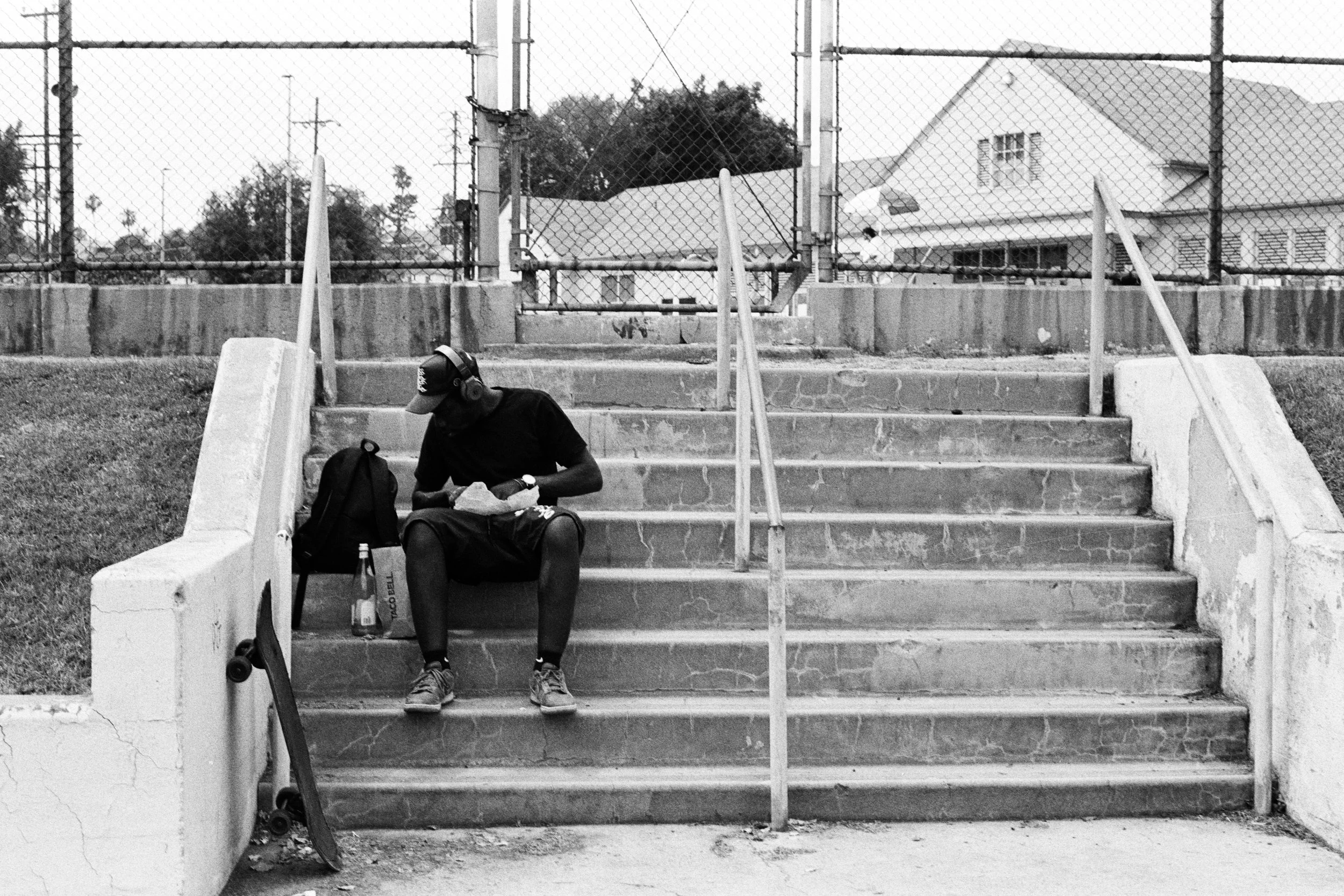
For the most part these are unedited, and they look like this direct scan. Pretty good. Little grainy, especially for a 100 speed film, and our darker friends, its a little sketch, but overall handsome looking film. Lets look at the unedited files for the few scans that needed some contrast correction
As you can see, not much of a difference.
ISO 400 - Push 2 stops
NOTE: Some of these had a yellow filter used.
As you can see, 400 is a little more punchy, but not by much. Not very grainy, and still perfectly good. Note that even in mixed light we still get detail in the shadows.
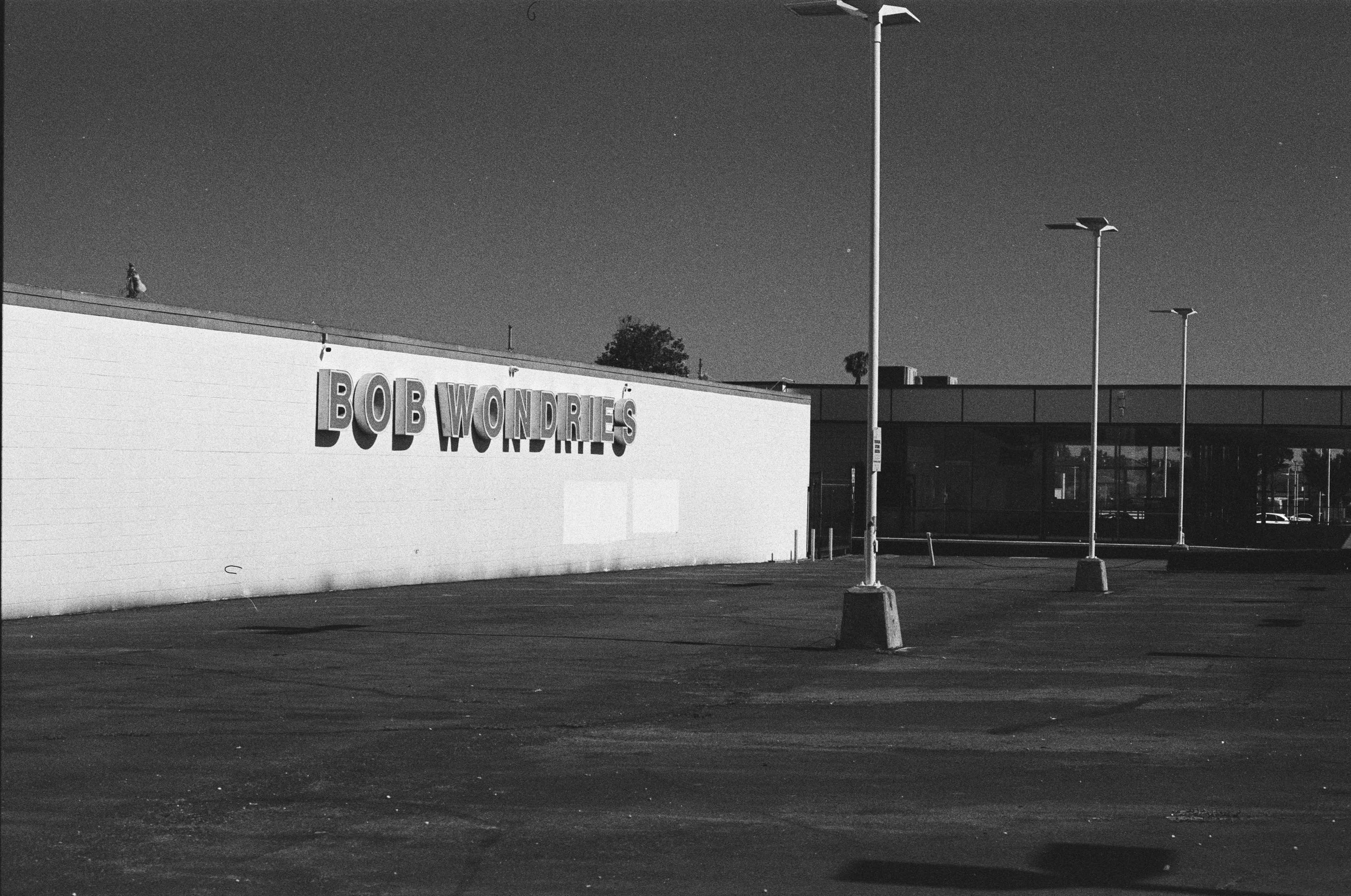
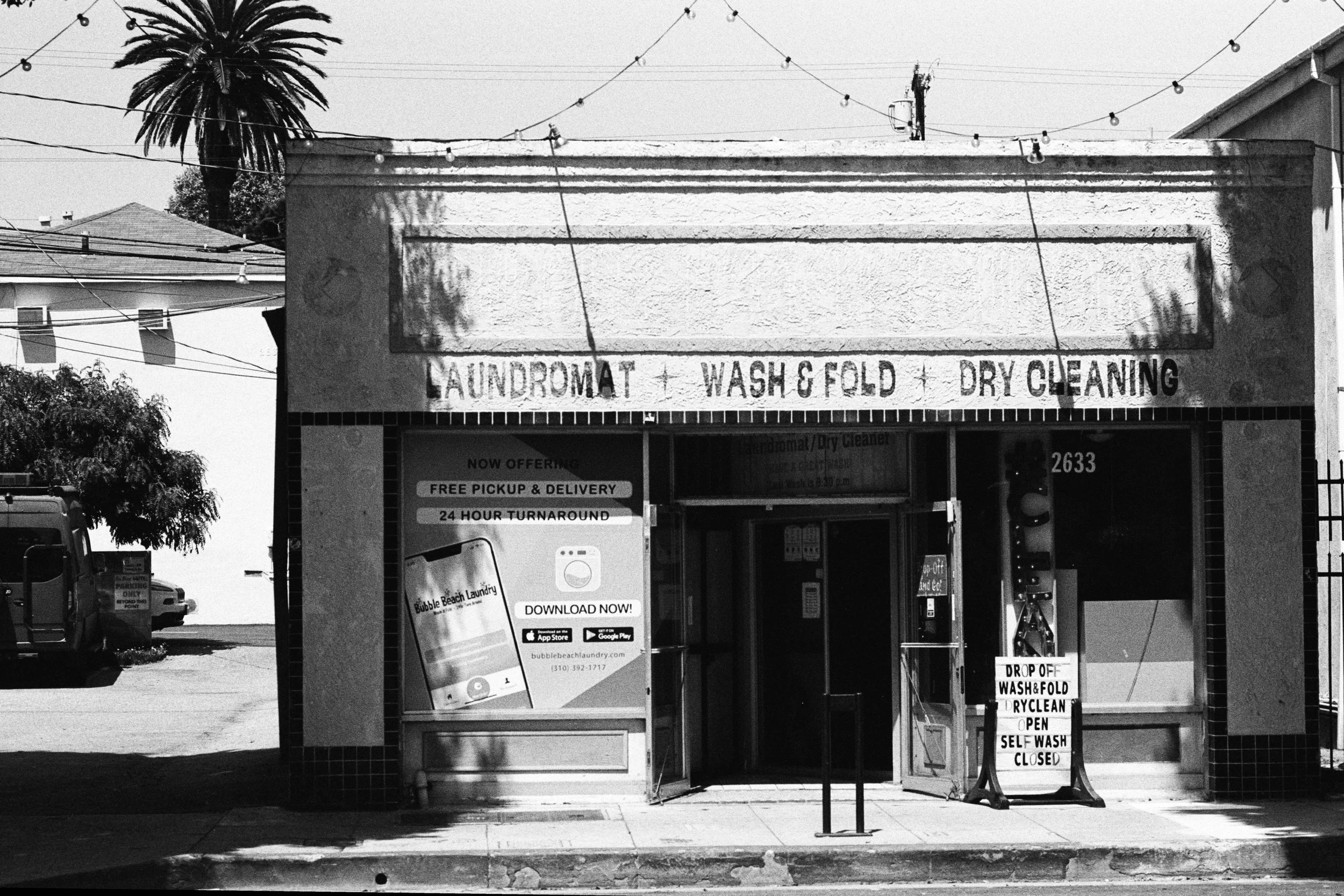
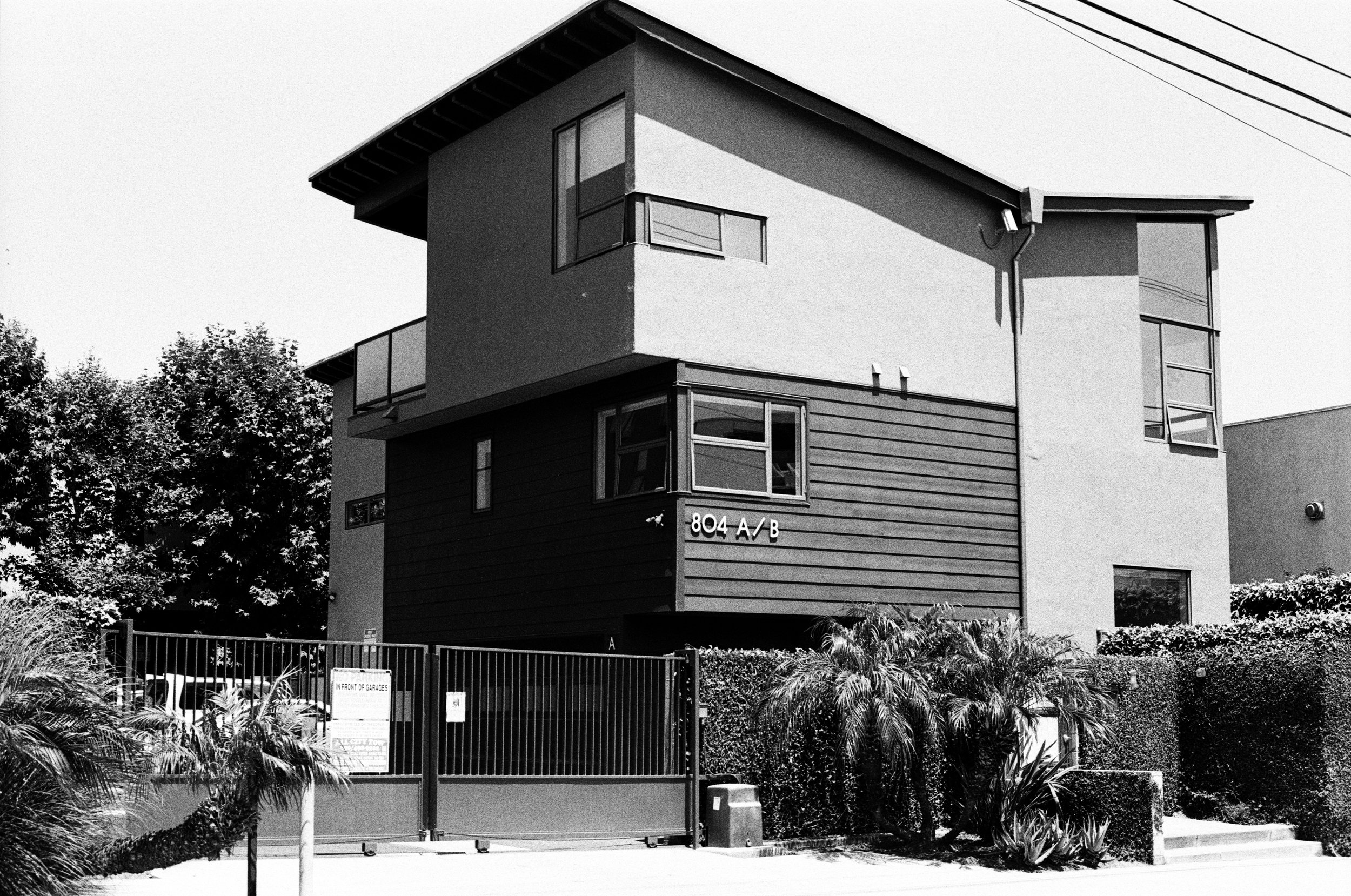
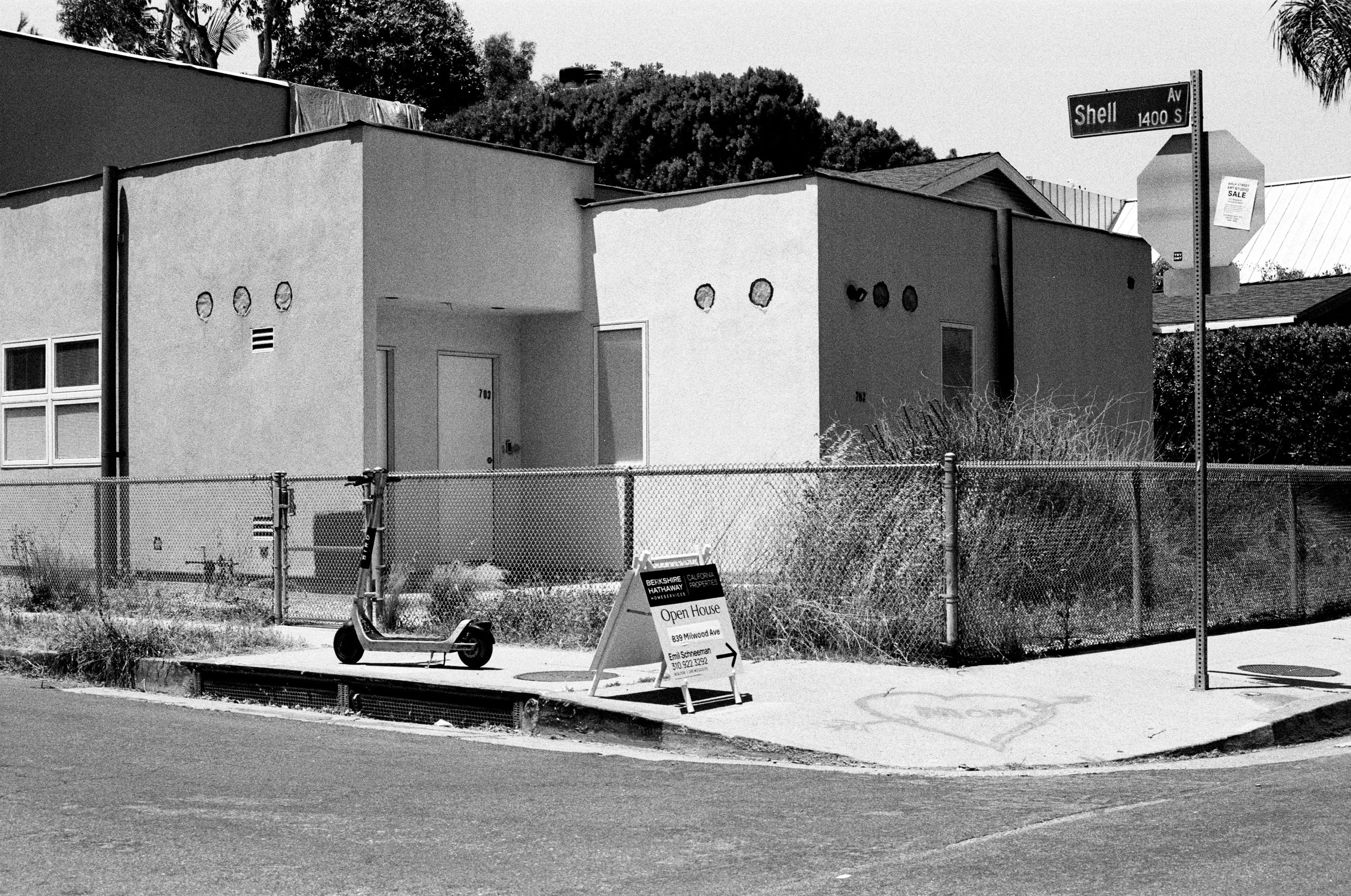
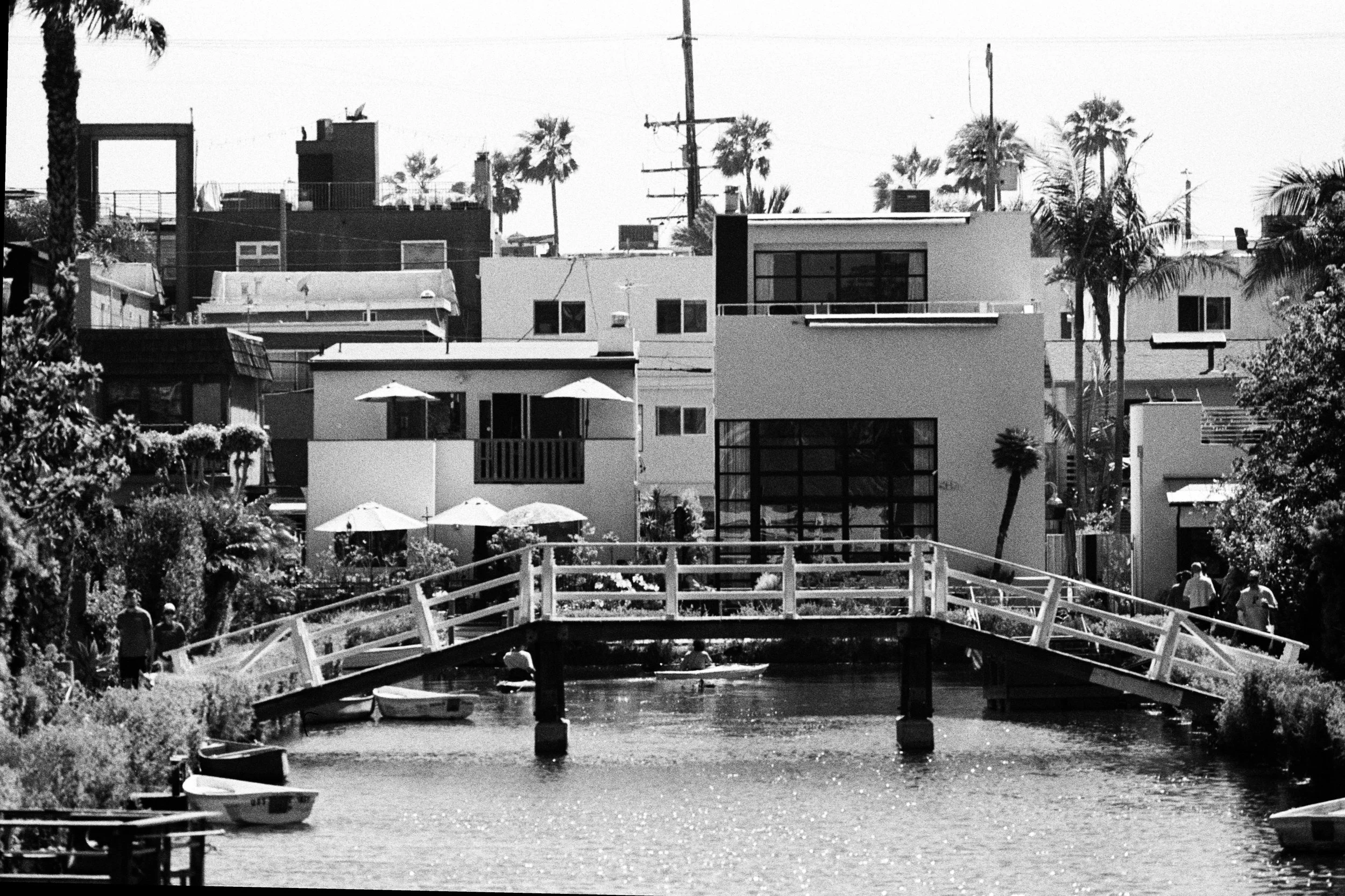
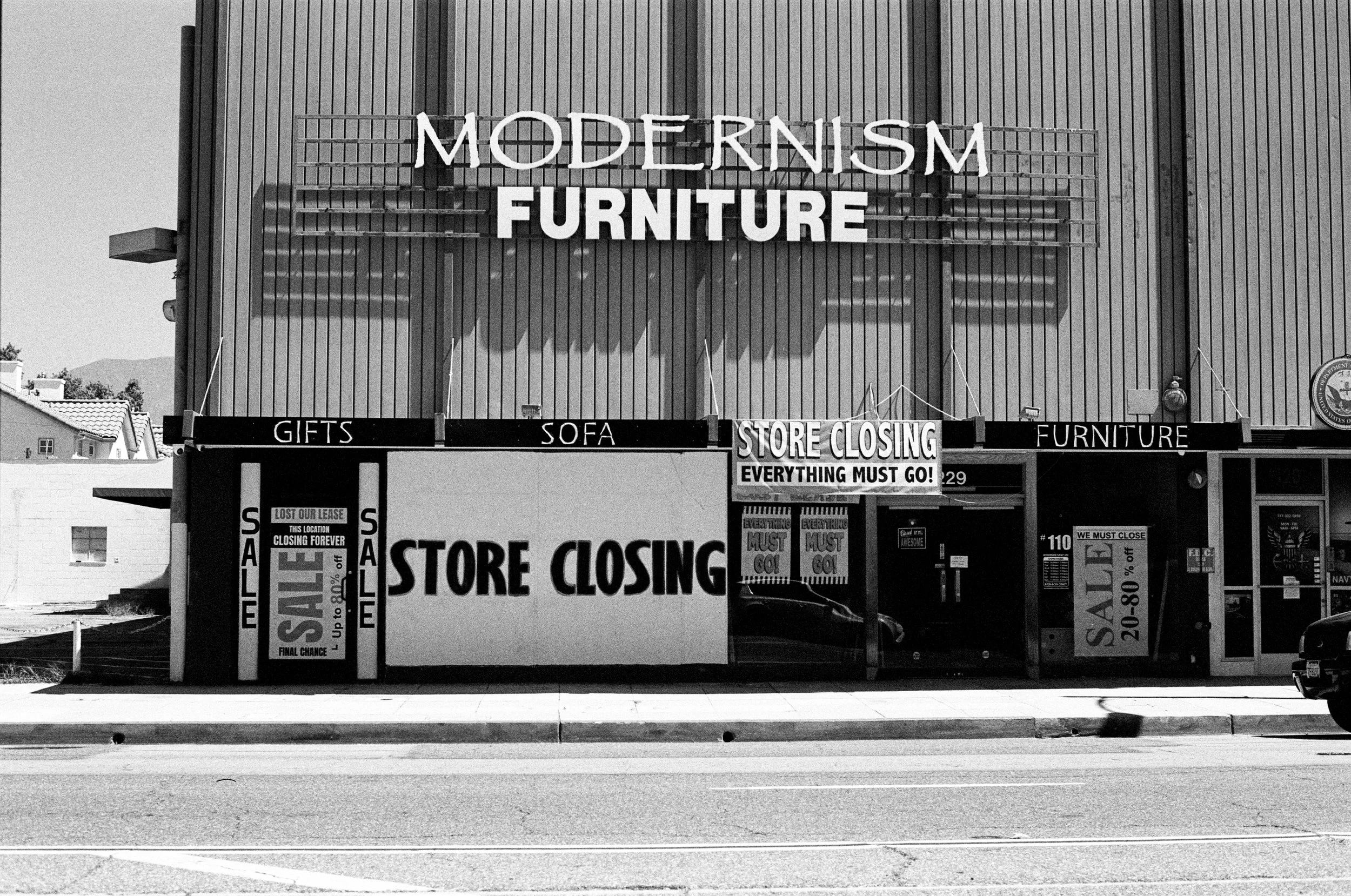
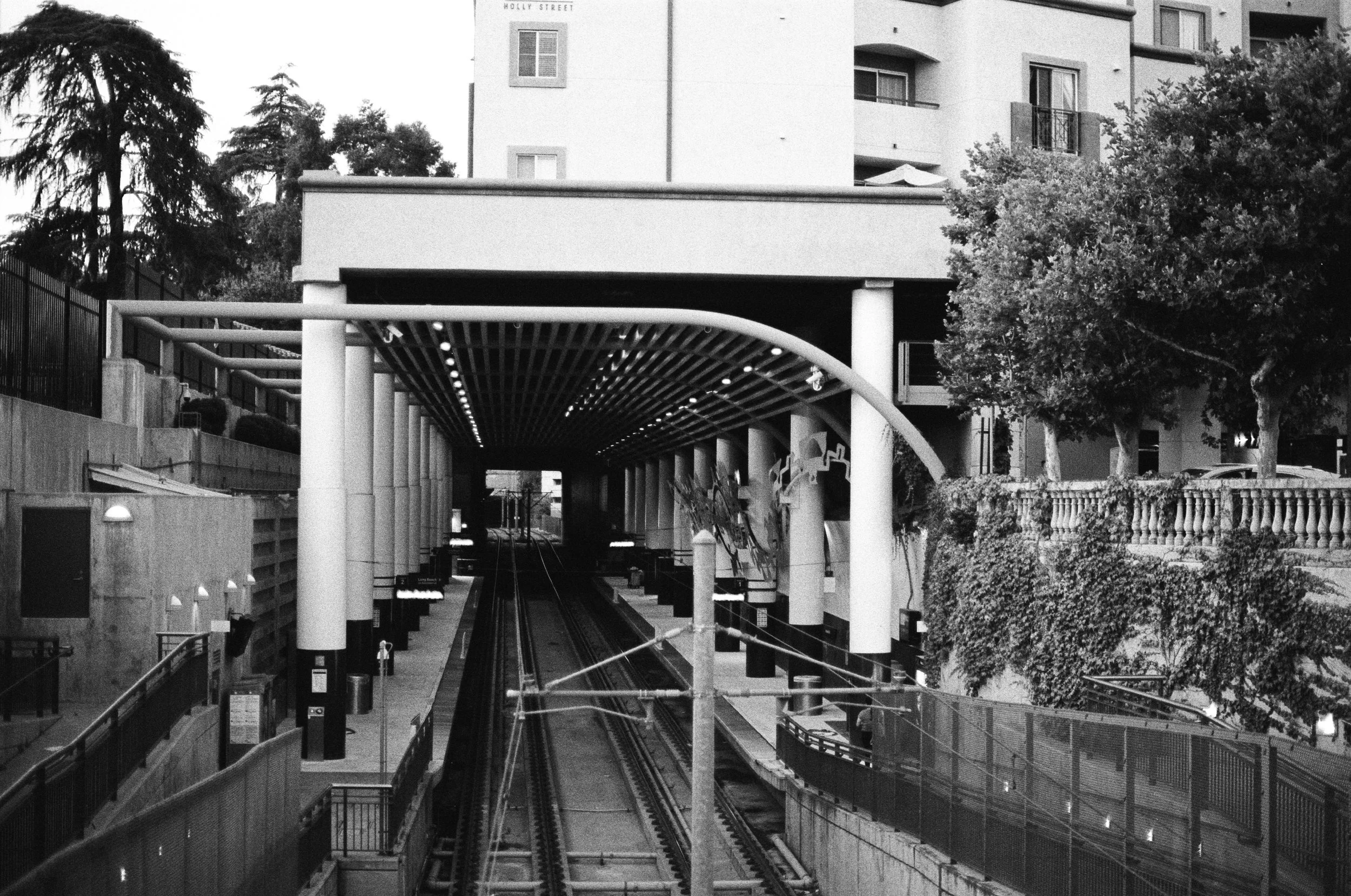
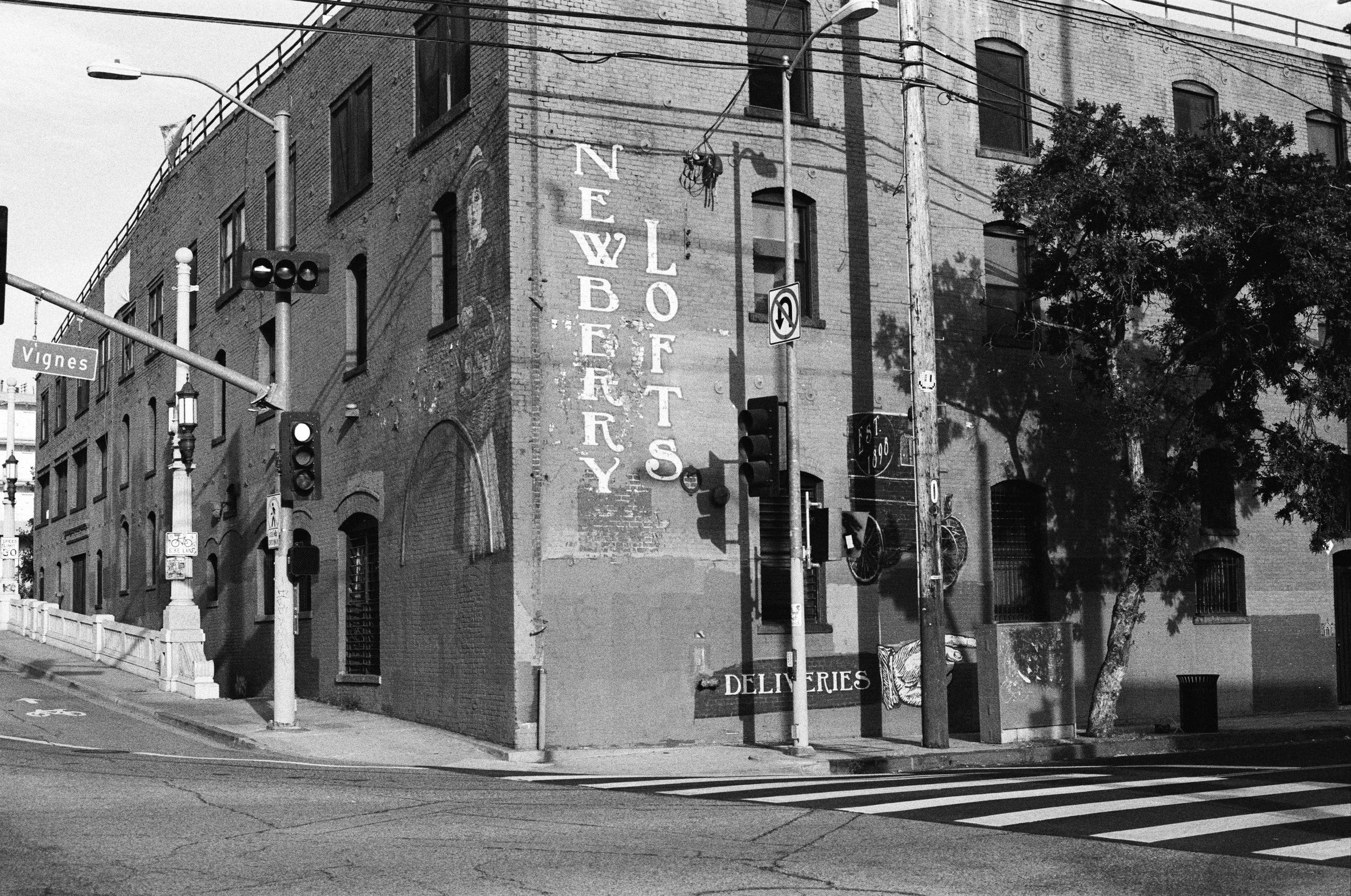
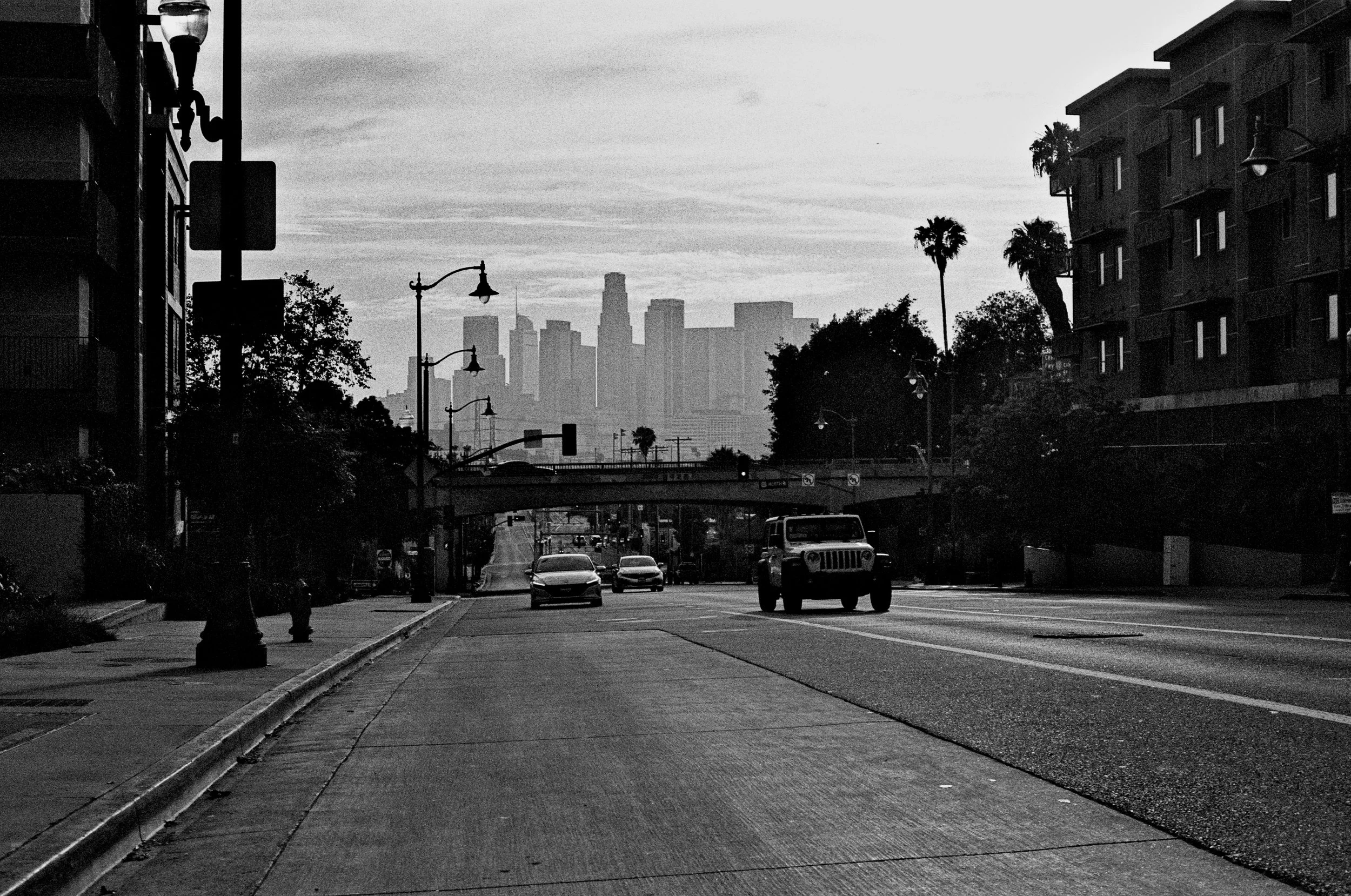
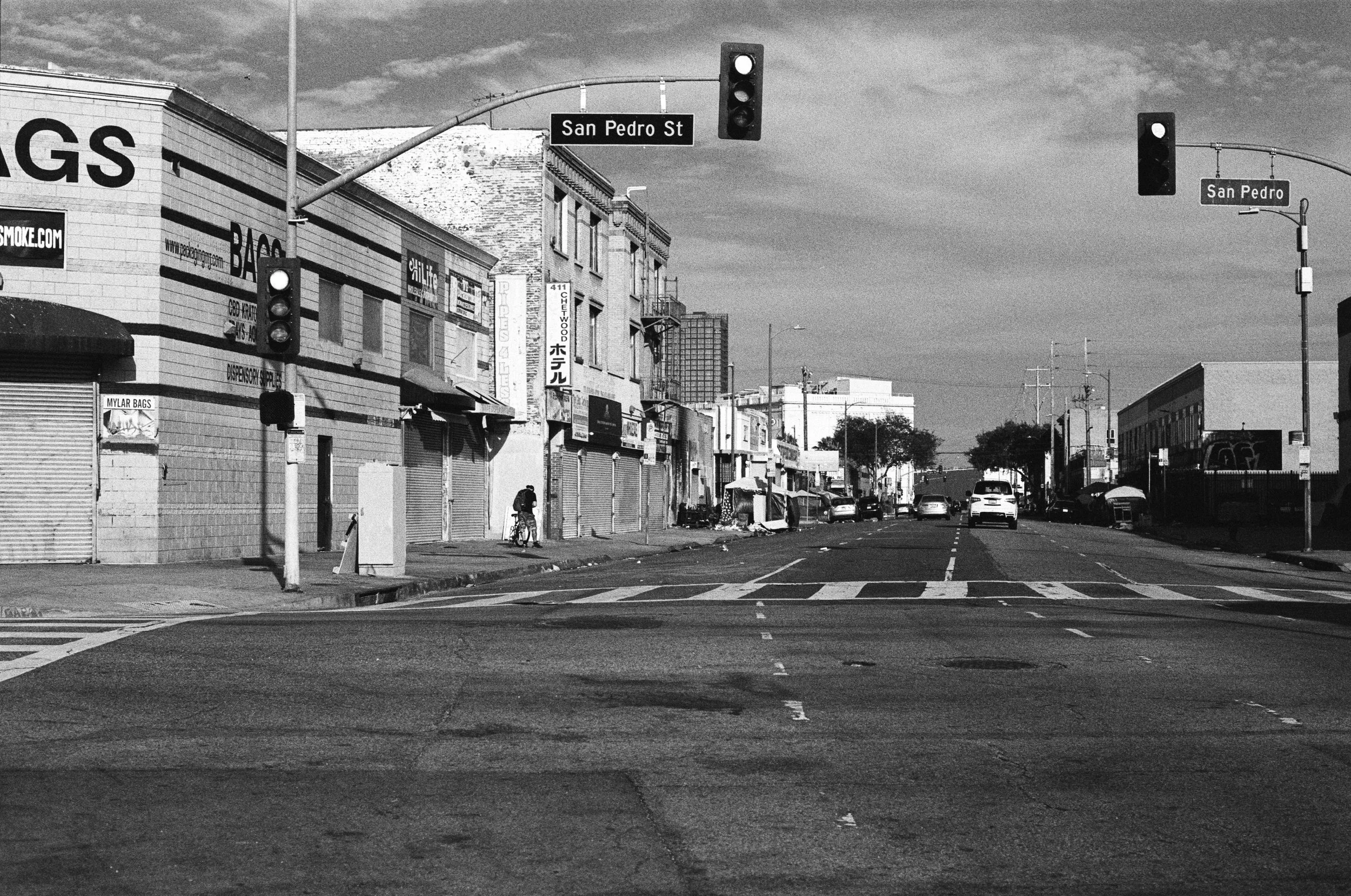
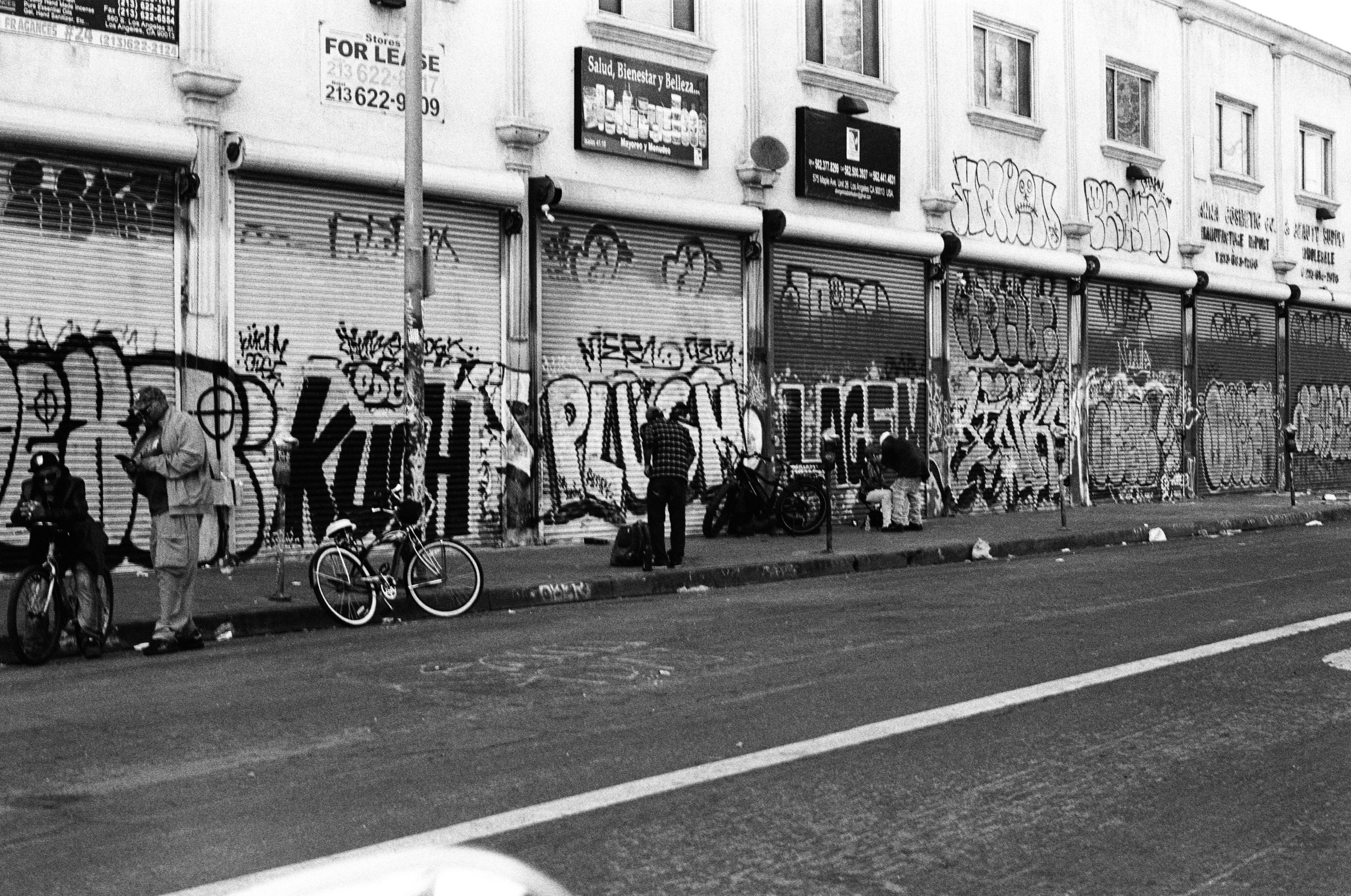

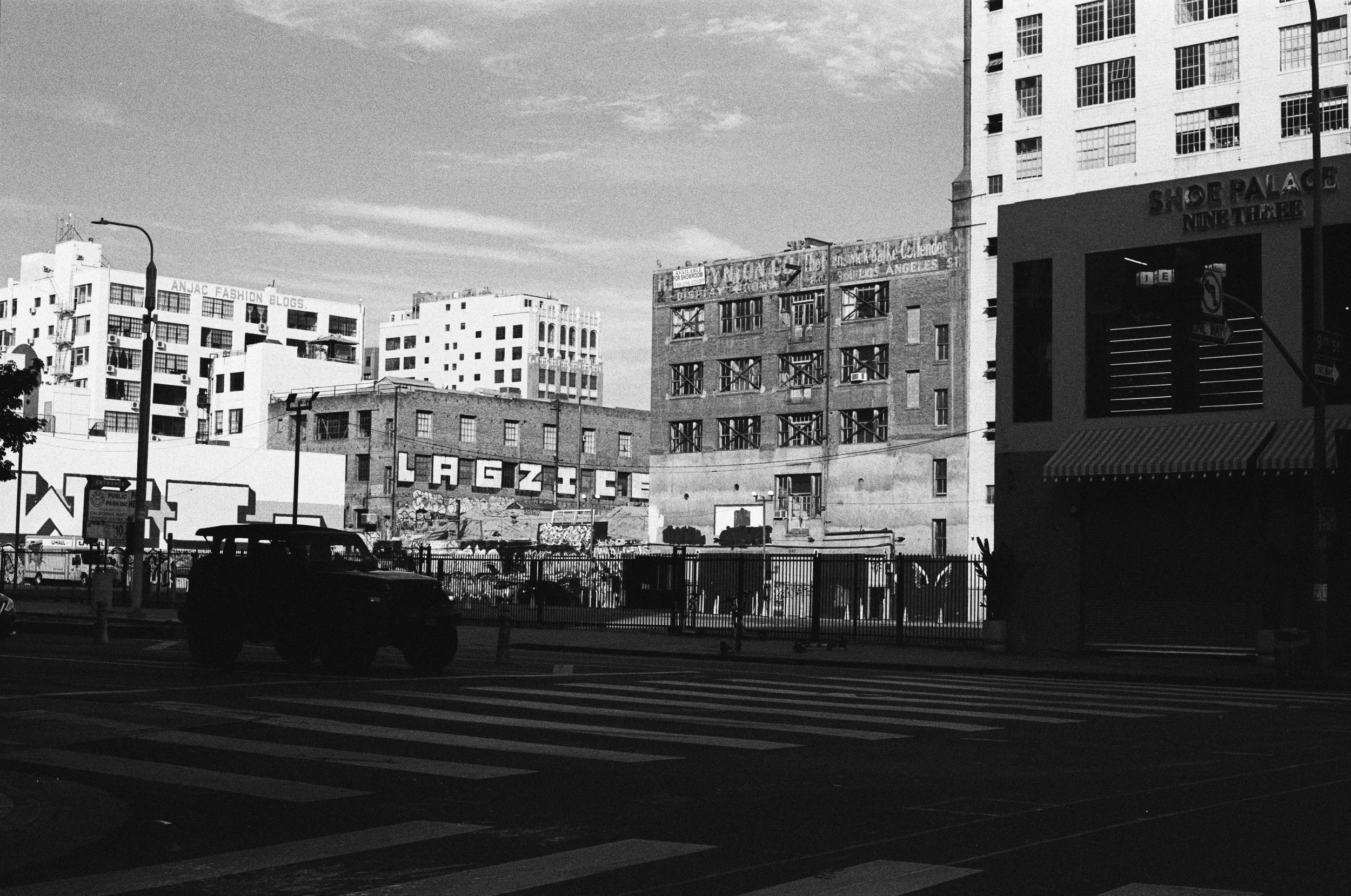
Lets look at a few of those unedited. The contrast correct is very slight.
ISO 1600 - Push 4 stops
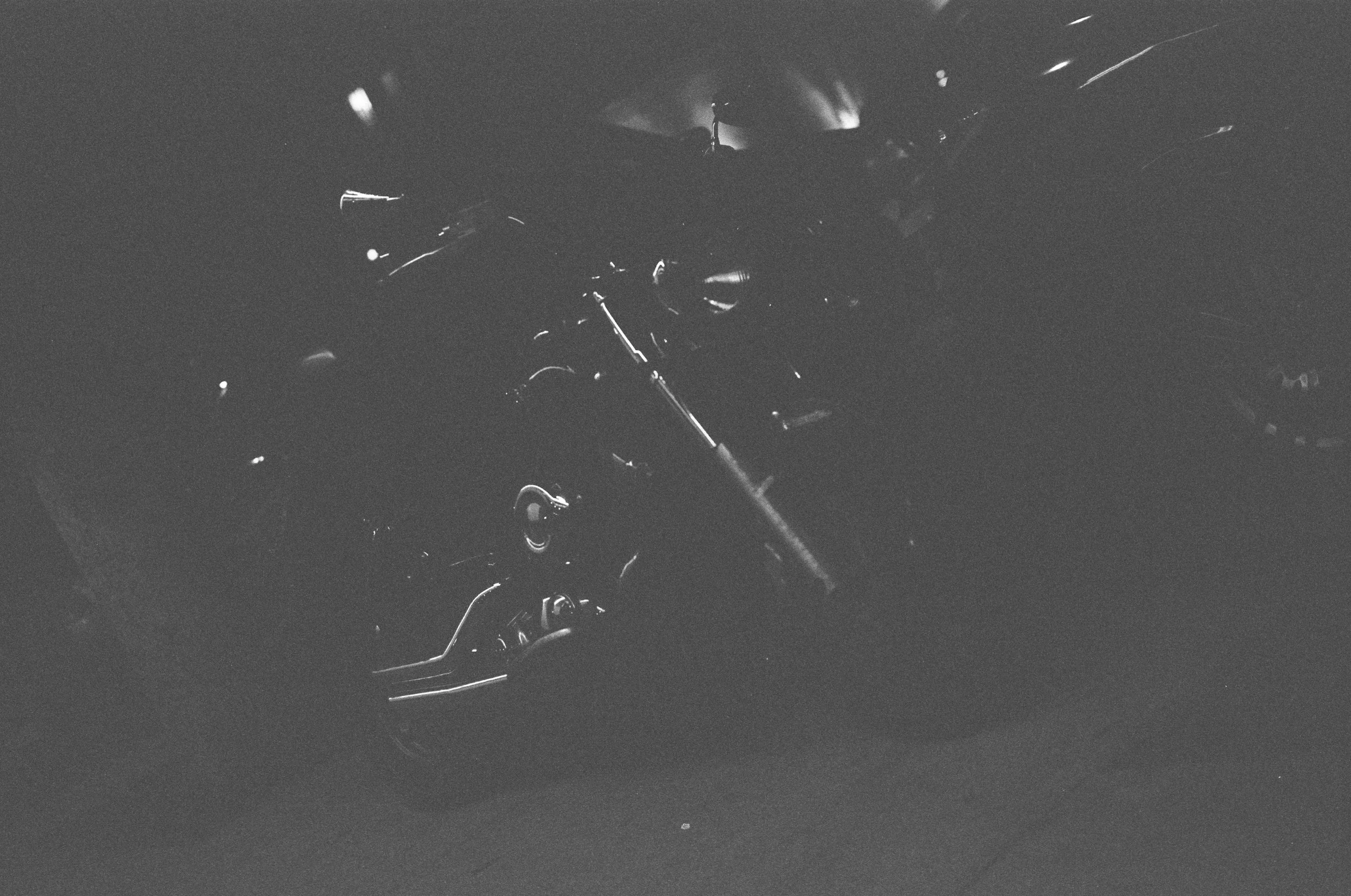
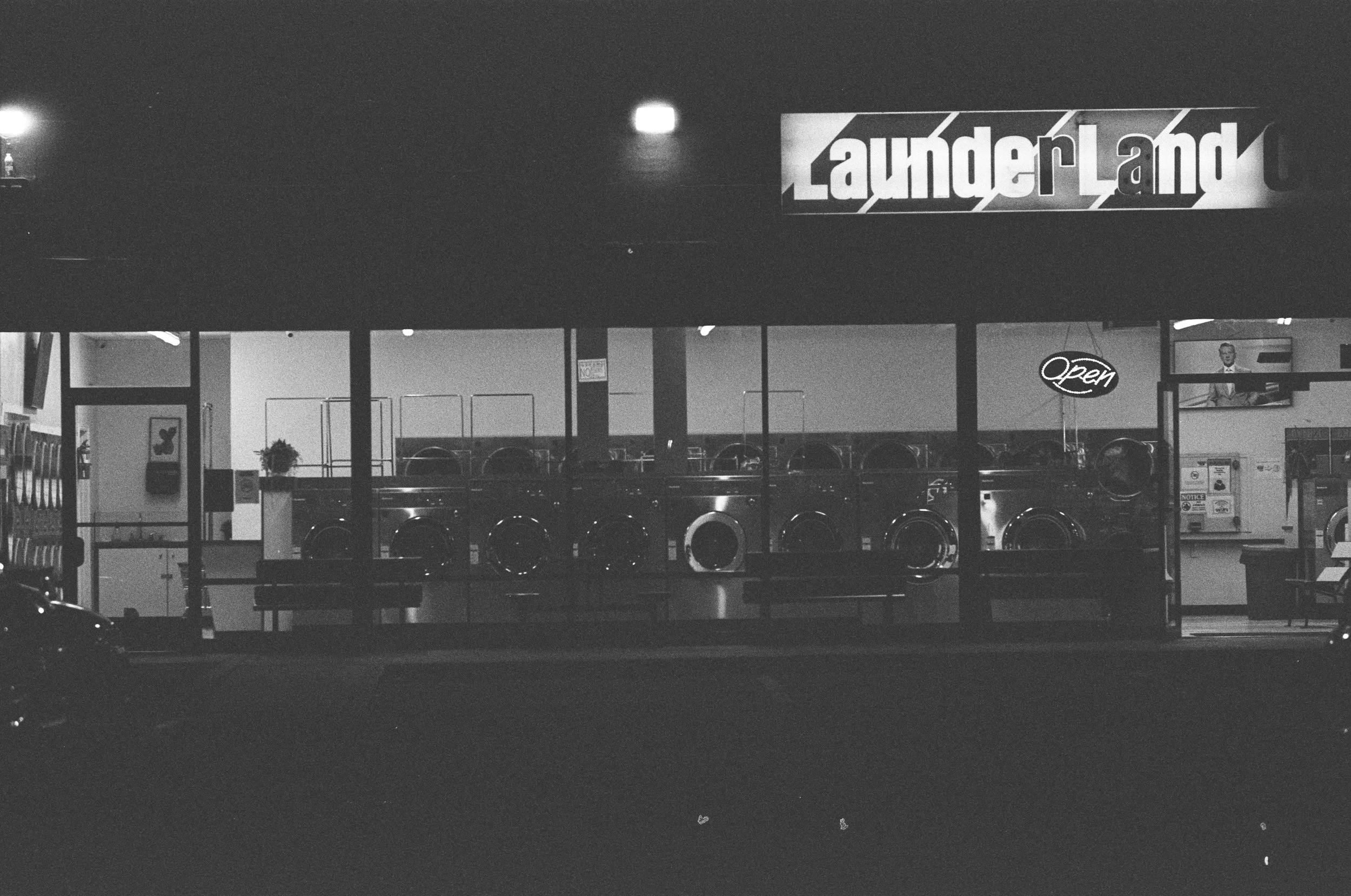
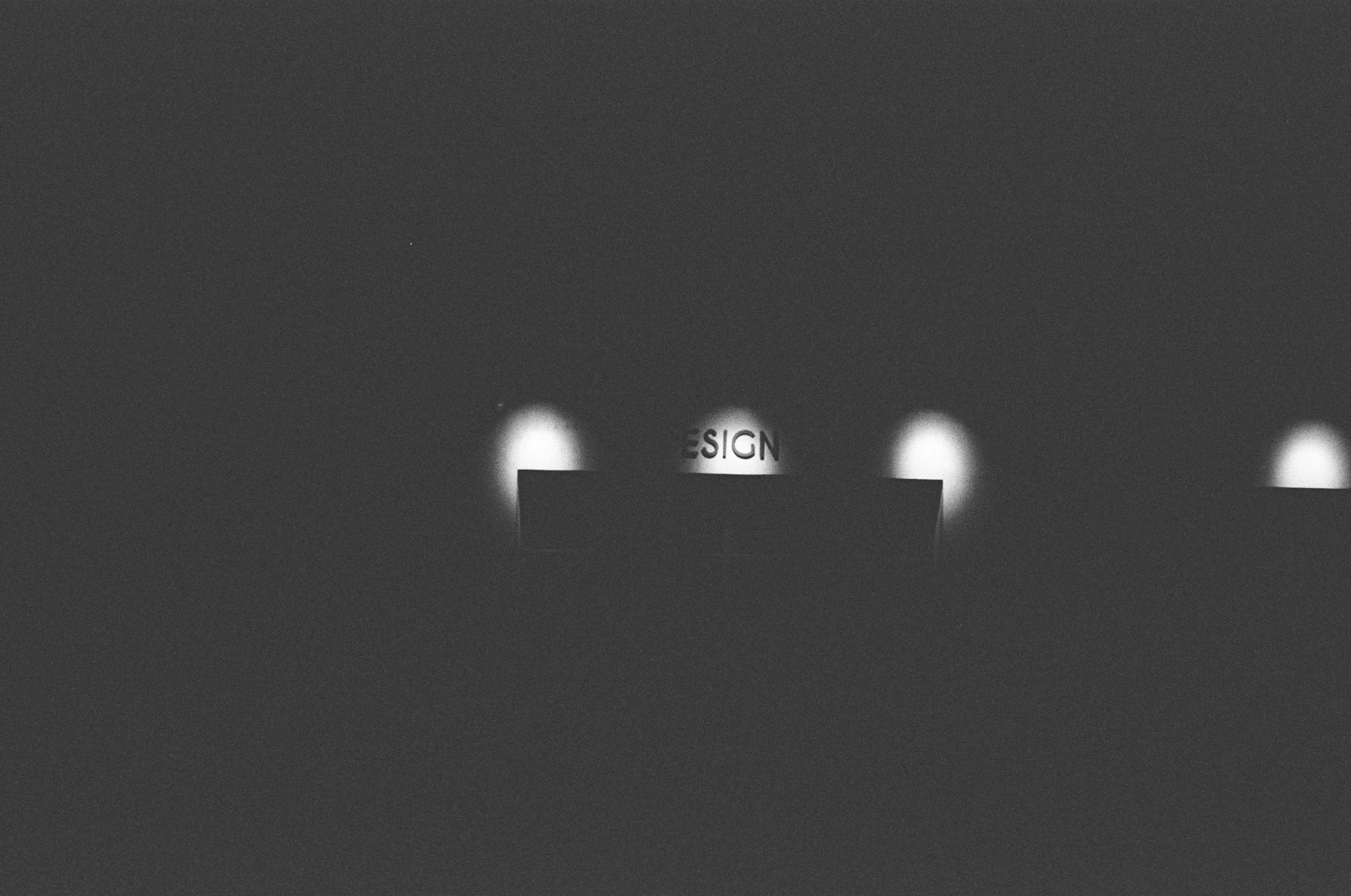
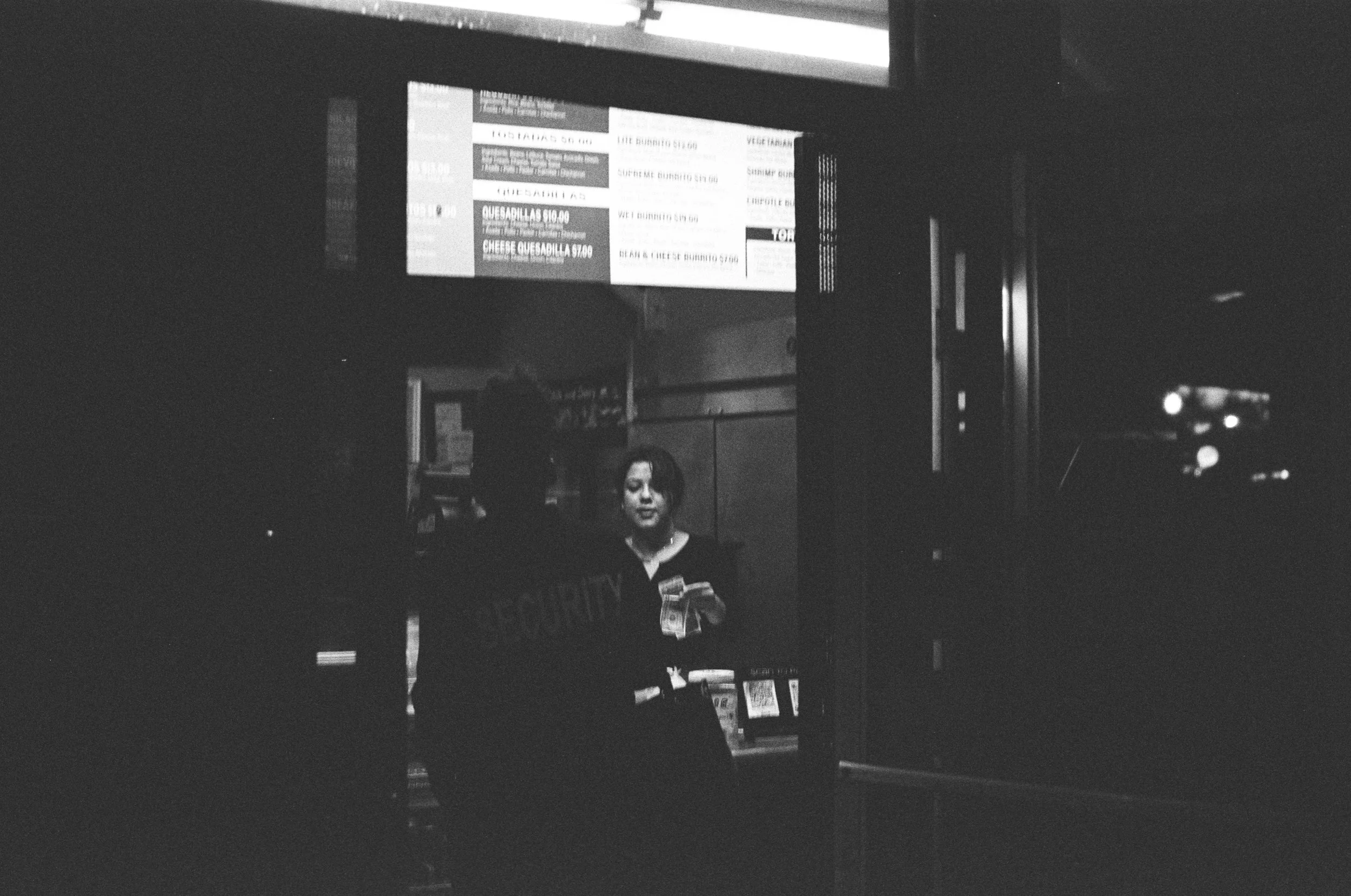
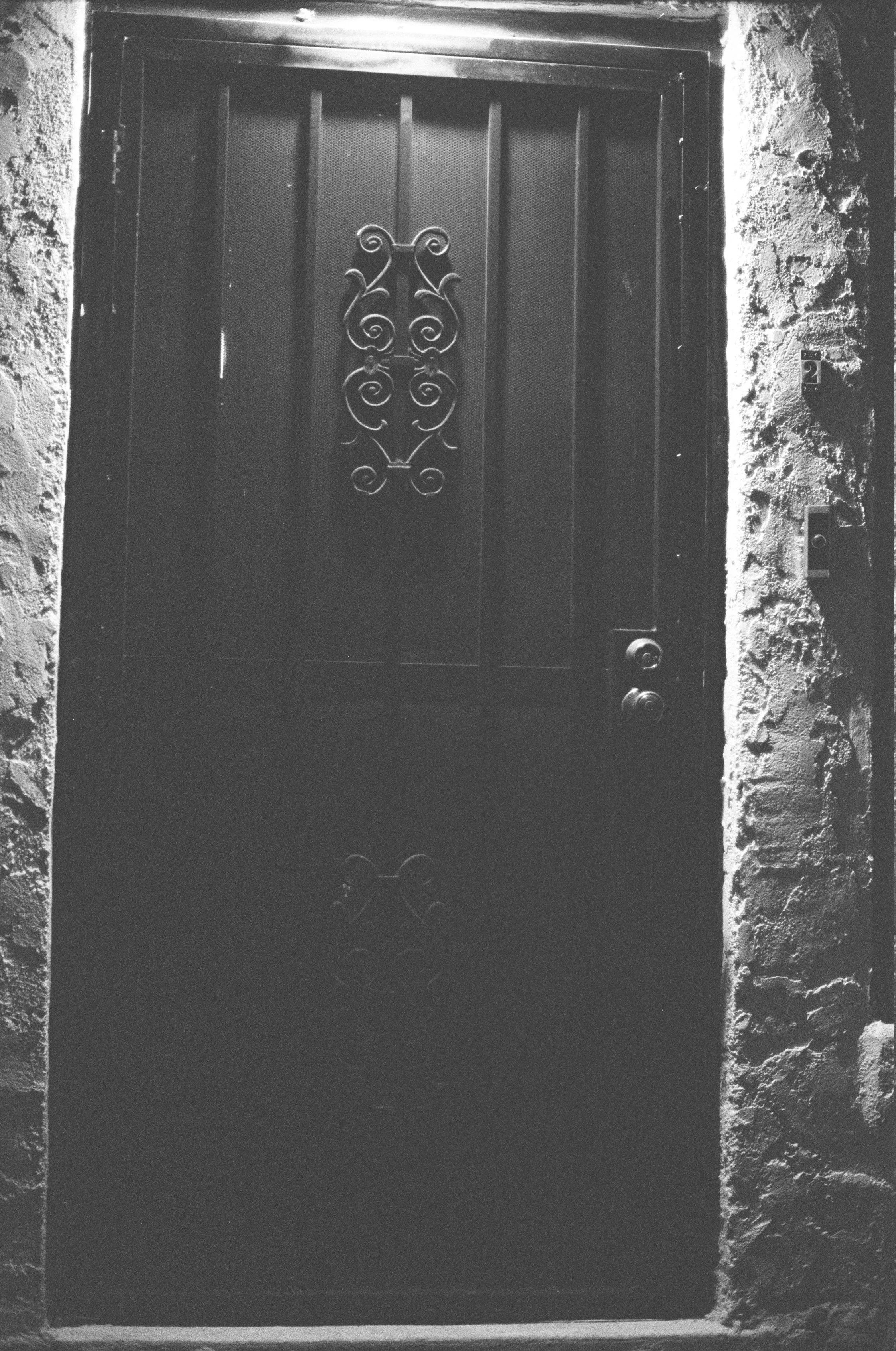
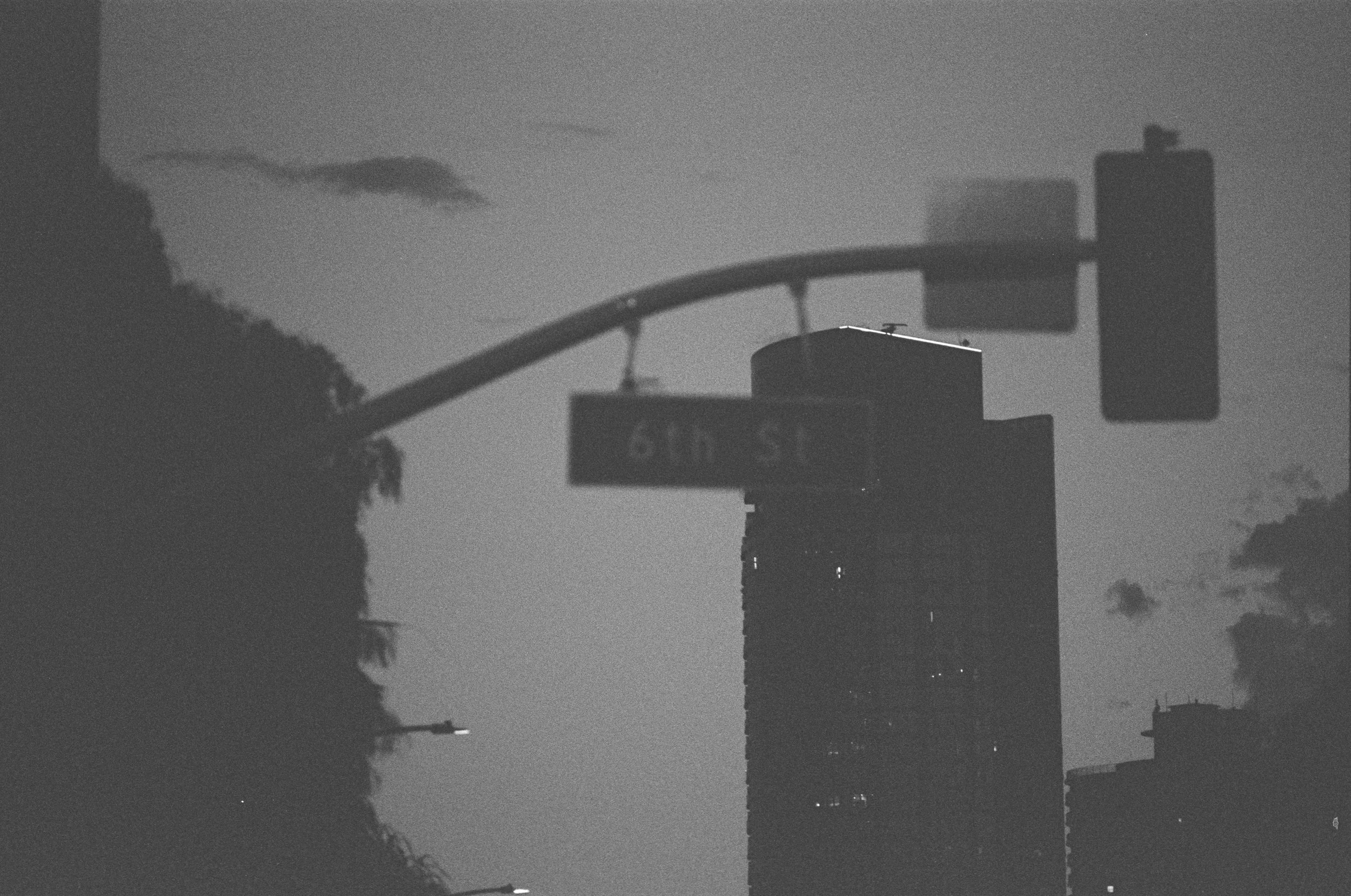
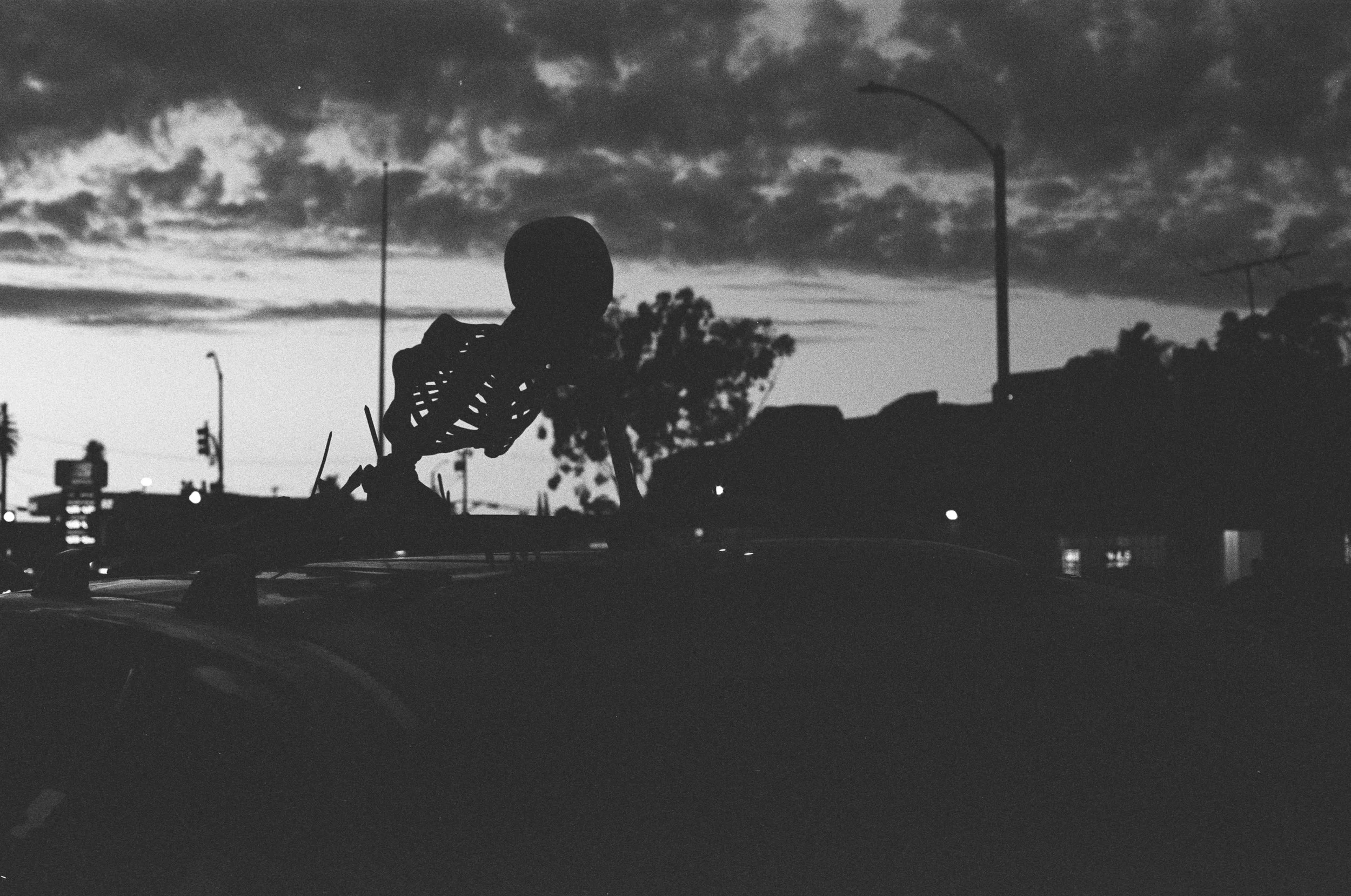
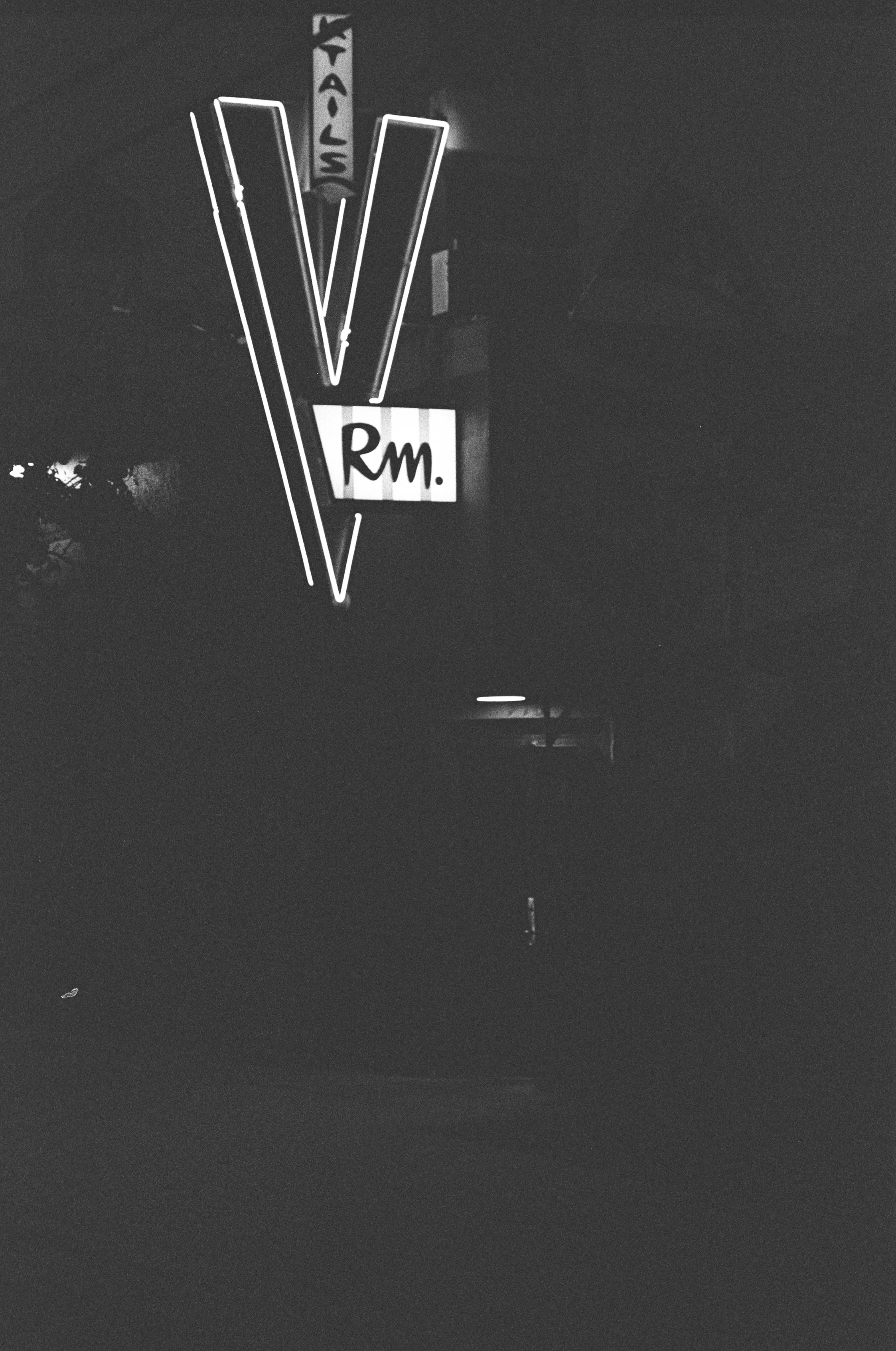
This is where the fun starts. I did something really spooky for Halloween. I pushed cheap 100 speed film 4 stops to 1600. A dusk long beach photo-walk led by Open Gallery. Now this gets spooky. Punchy, Contrasty, Mysterious. There is no reason to do this, over lets say pushing TriX or HP5+ to 1600/3200, unless you really want to hit people over the head with film effects.
These are also heavily edited for contrast. far more so that more serious films like TriX or HP5
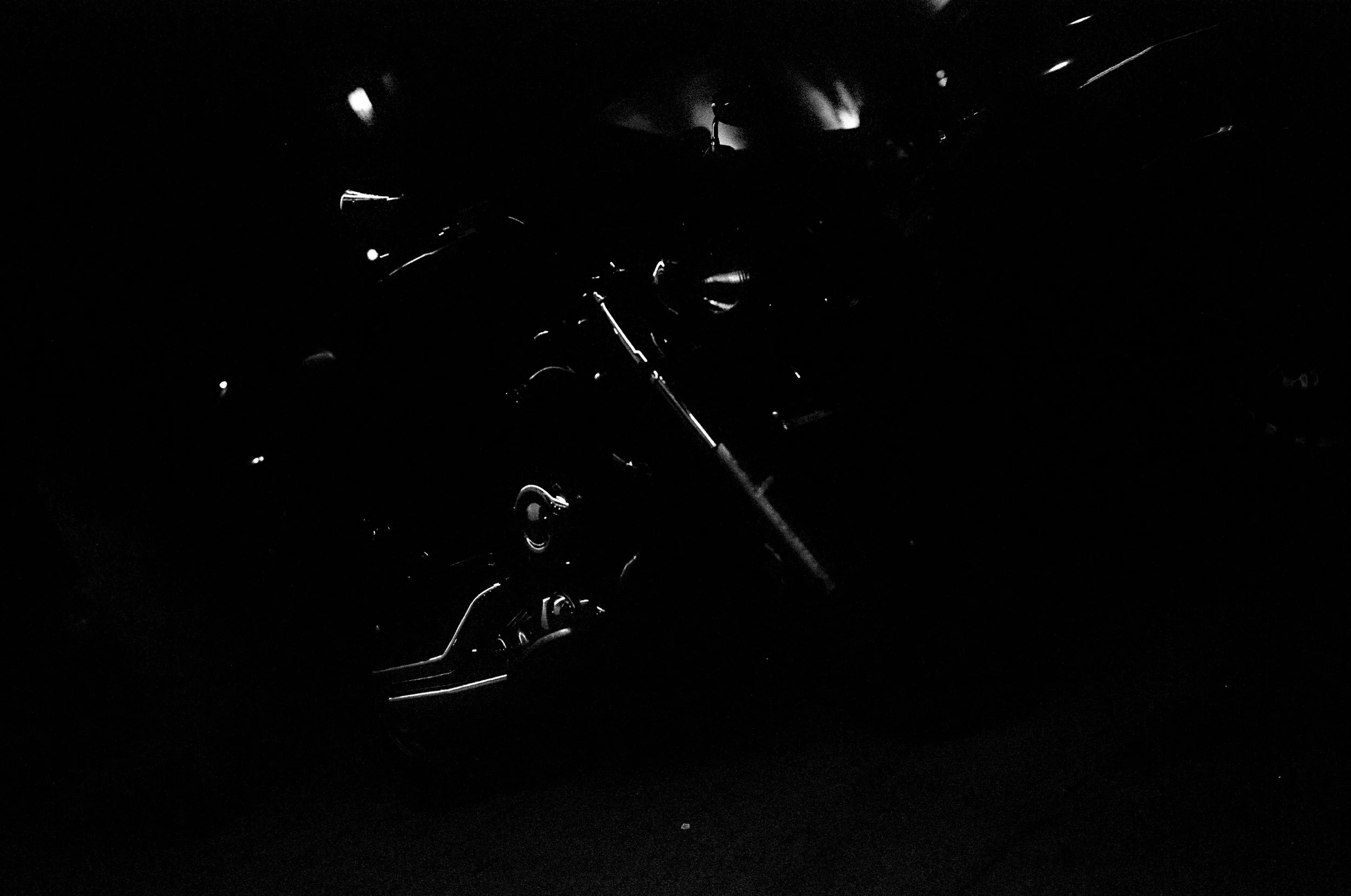
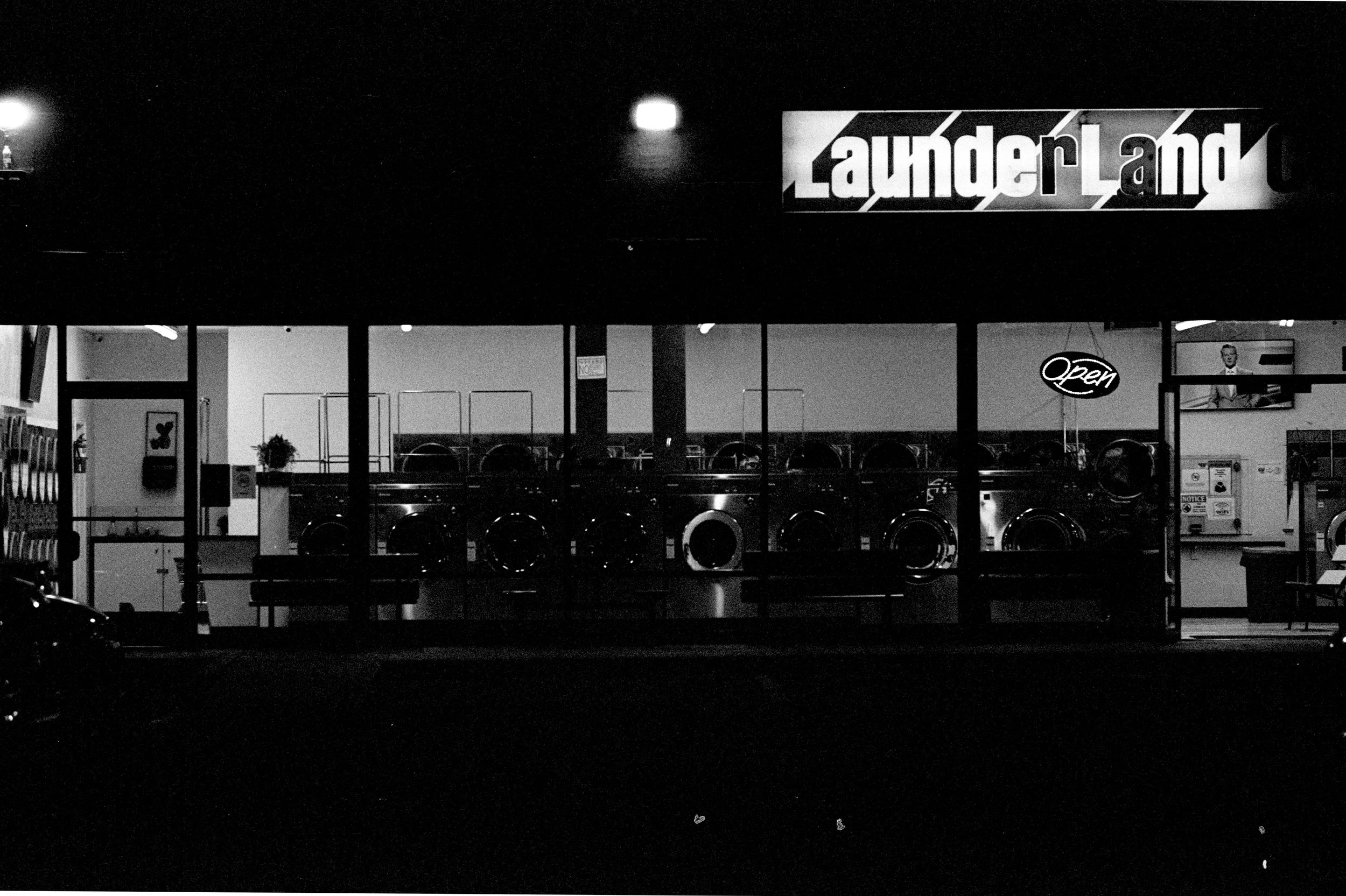
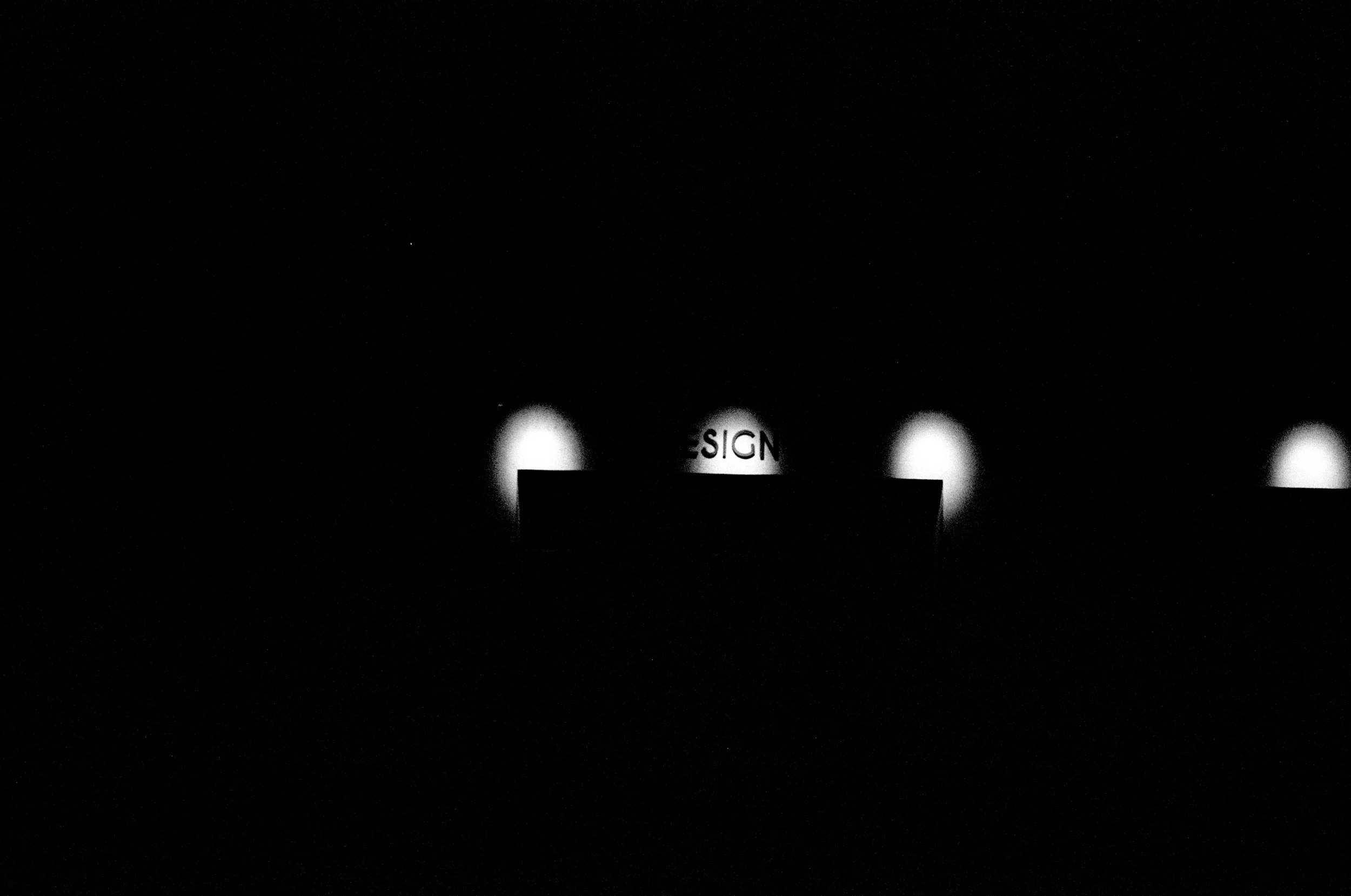

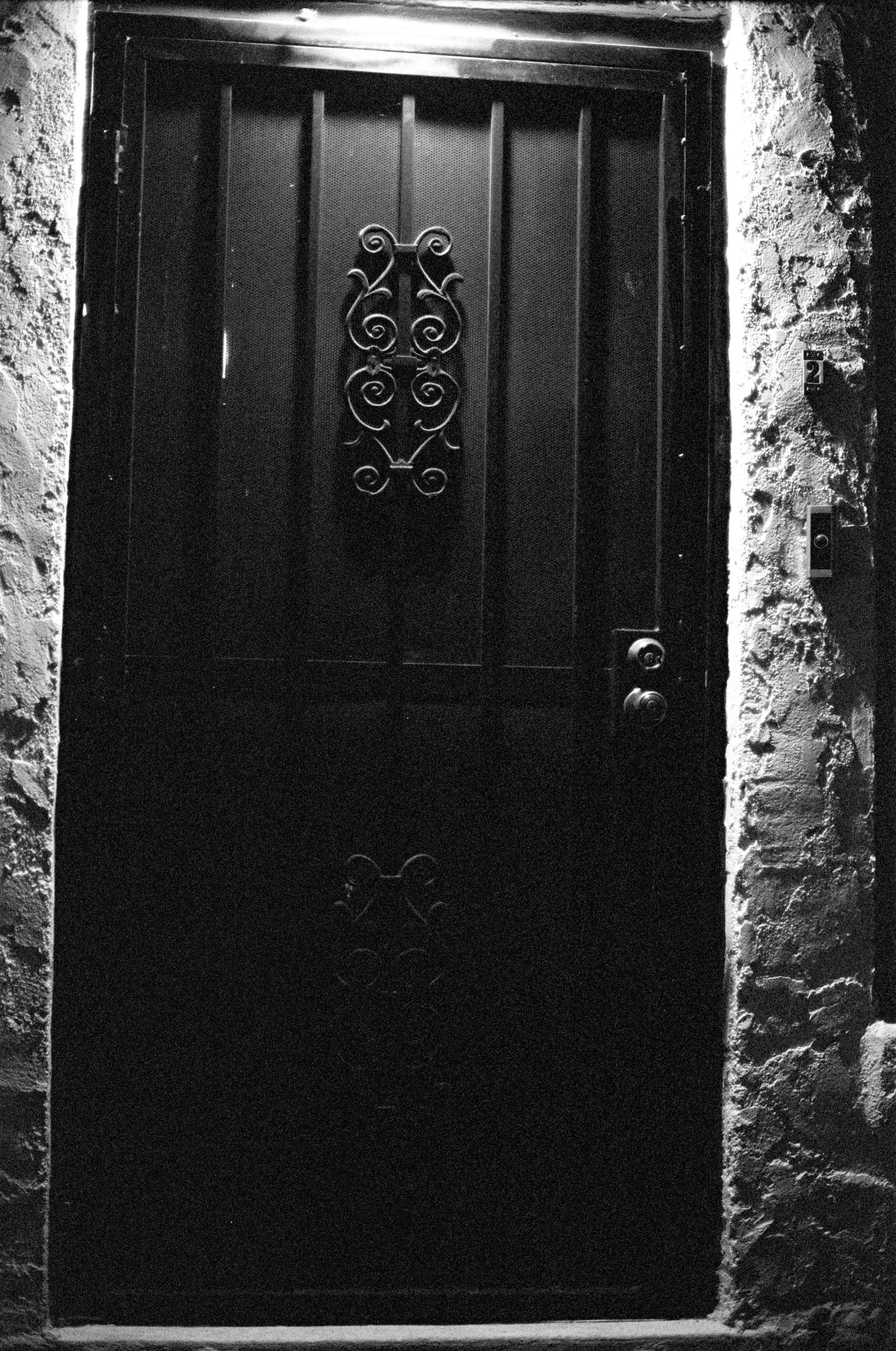
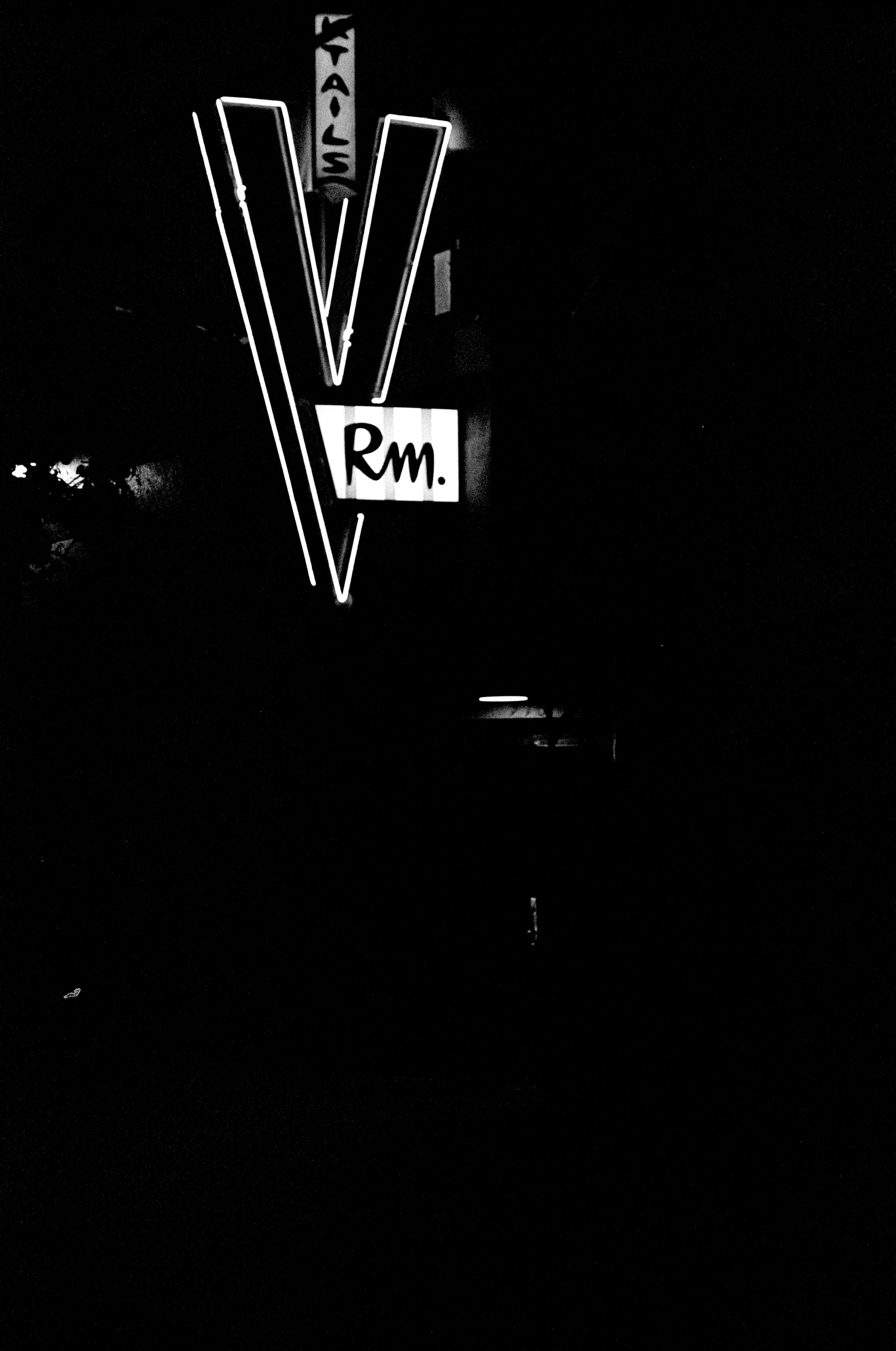
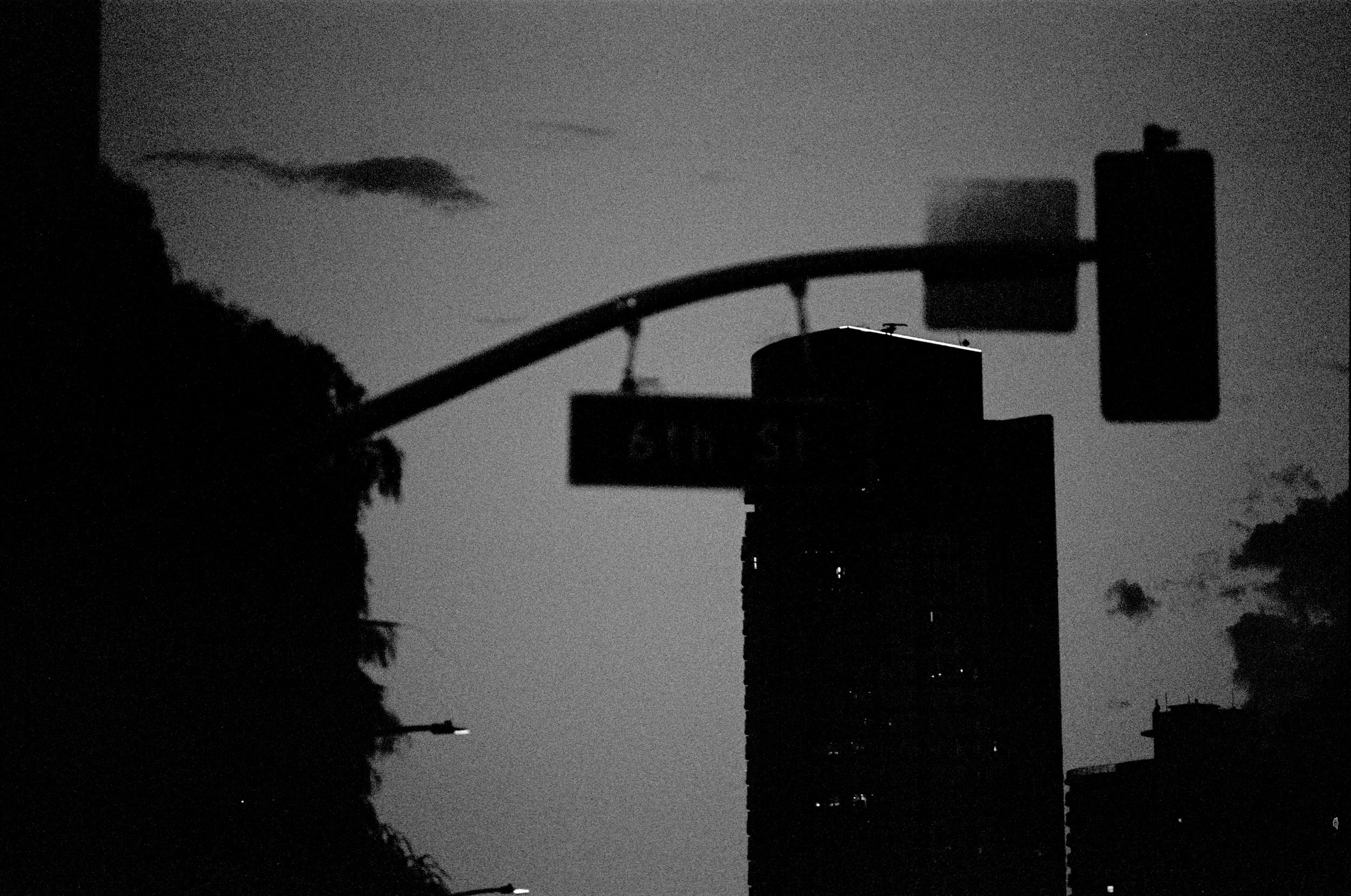
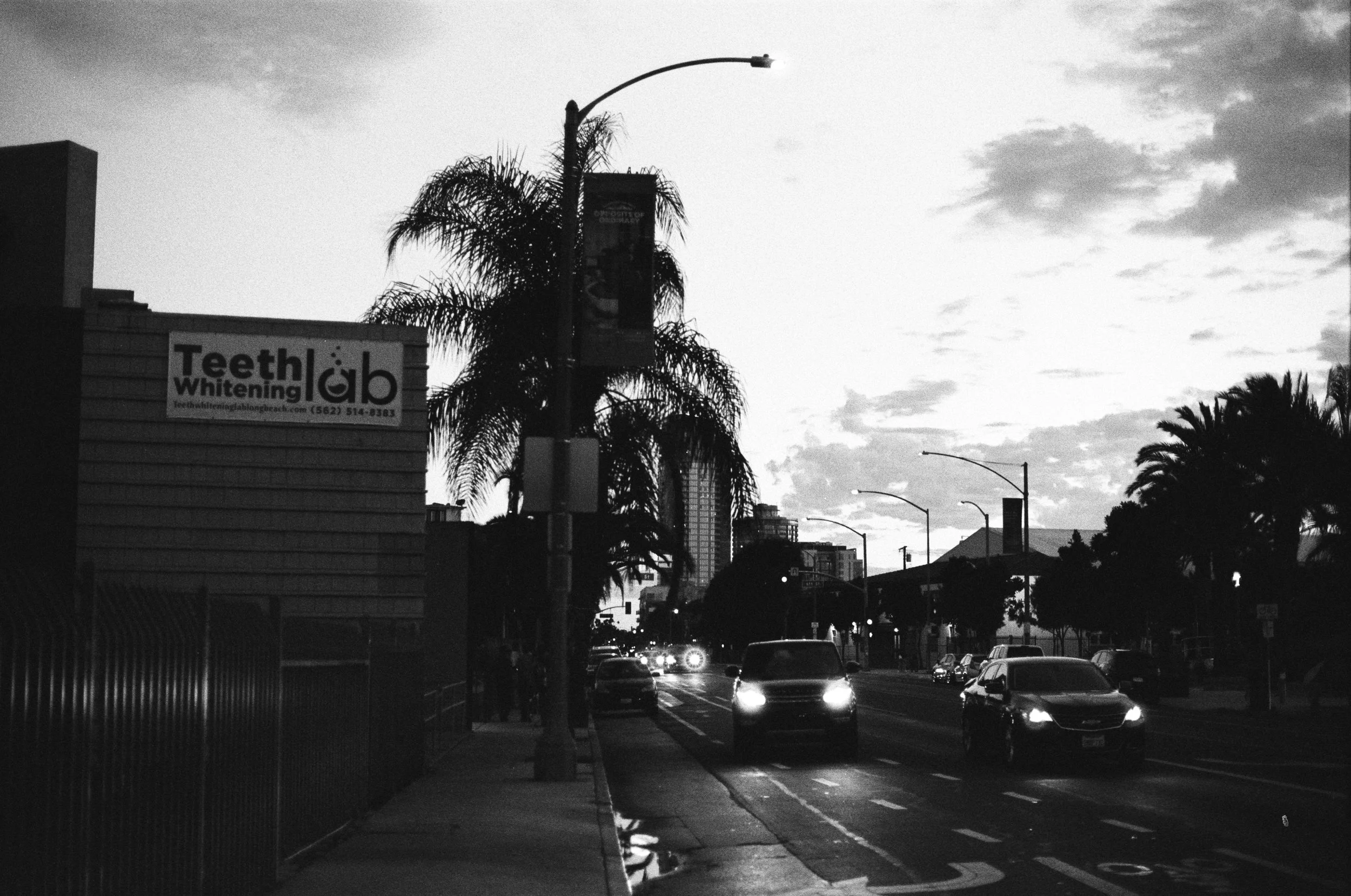
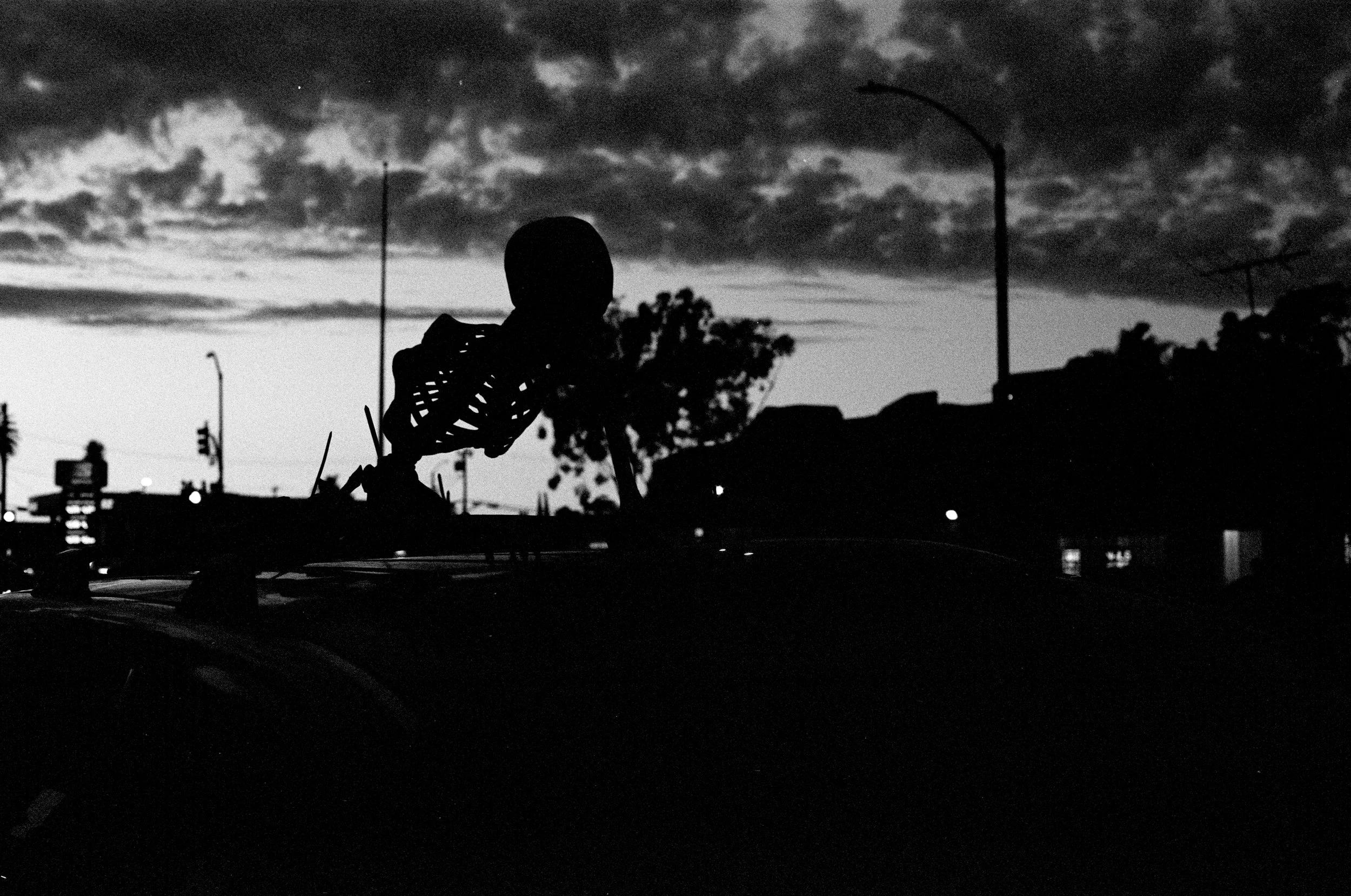
Lets take a look at the unedited photos. Total wash of grey. Usable with contrast correction, but this isn’t my first pick of film. Not bad for just fucking around with tho.
Conclusion
Film is very much worth the time, even if it comes with some limitations. Its not replacing Ilford or Kodak Black and Whites, but its certainly fun, and certainly has its uses, especially in broad daylight. Being slower than TriX, it gives grain and contrast in broad daylight that doesn’t leave you reaching for that 1/4000s shutter speed or an ND filter.
Shootout: Kodak TriX vs Ilford HP5+
I’ve long been a Kodak guy. TriX 400 for decades has been my go-to black and white film. When I wasn’t shooting TriX, I was shooting the gamut of other Kodak B&W films. Ilford is a legendary black and white film. When I first started in the film era, the “serious” black and white only photographers generally gravitated towards Ilford. Ilford film, Ilford developer, Ilford photo paper.
Ilford in general is the anti-kodak. While TriX has that harsh grainy contrast, Ilford tends to be softer, with finer grain and stronger mid-tones. Previously having shot some FP4+ at box speed in daylight, left me unimpressed. But for April’s Beer And Cameras, I was going to give HP5+ a direct head to head shootout against TriX, both being native 400 speed films.
I’ve long been a Kodak guy. TriX 400 for decades has been my go-to black and white film. When I wasn’t shooting TriX, I was shooting the gamut of other Kodak B&W films. Ilford is a legendary black and white film. When I first started in the film era, the “serious” black and white only photographers generally gravitated towards Ilford. Ilford film, Ilford developer, Ilford photo paper.
Ilford in general is the anti-kodak. While TriX has that harsh grainy contrast, Ilford tends to be softer, with finer grain and stronger mid-tones. Previously having shot some FP4+ at box speed in daylight, left me unimpressed. But for April’s Beer And Cameras, I was going to give HP5+ a direct head to head shootout against TriX, both being native 400 speed films.
The Shots
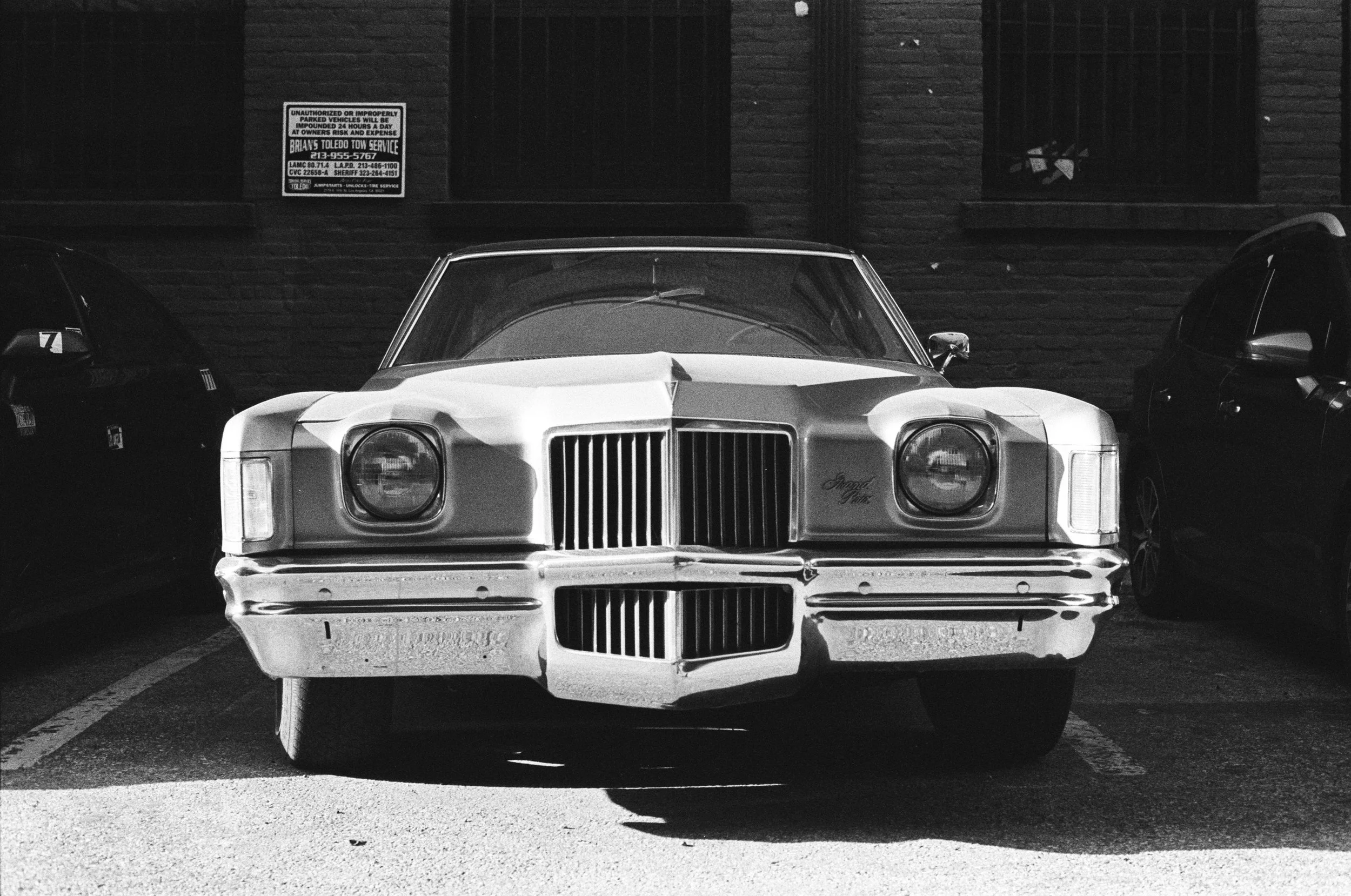
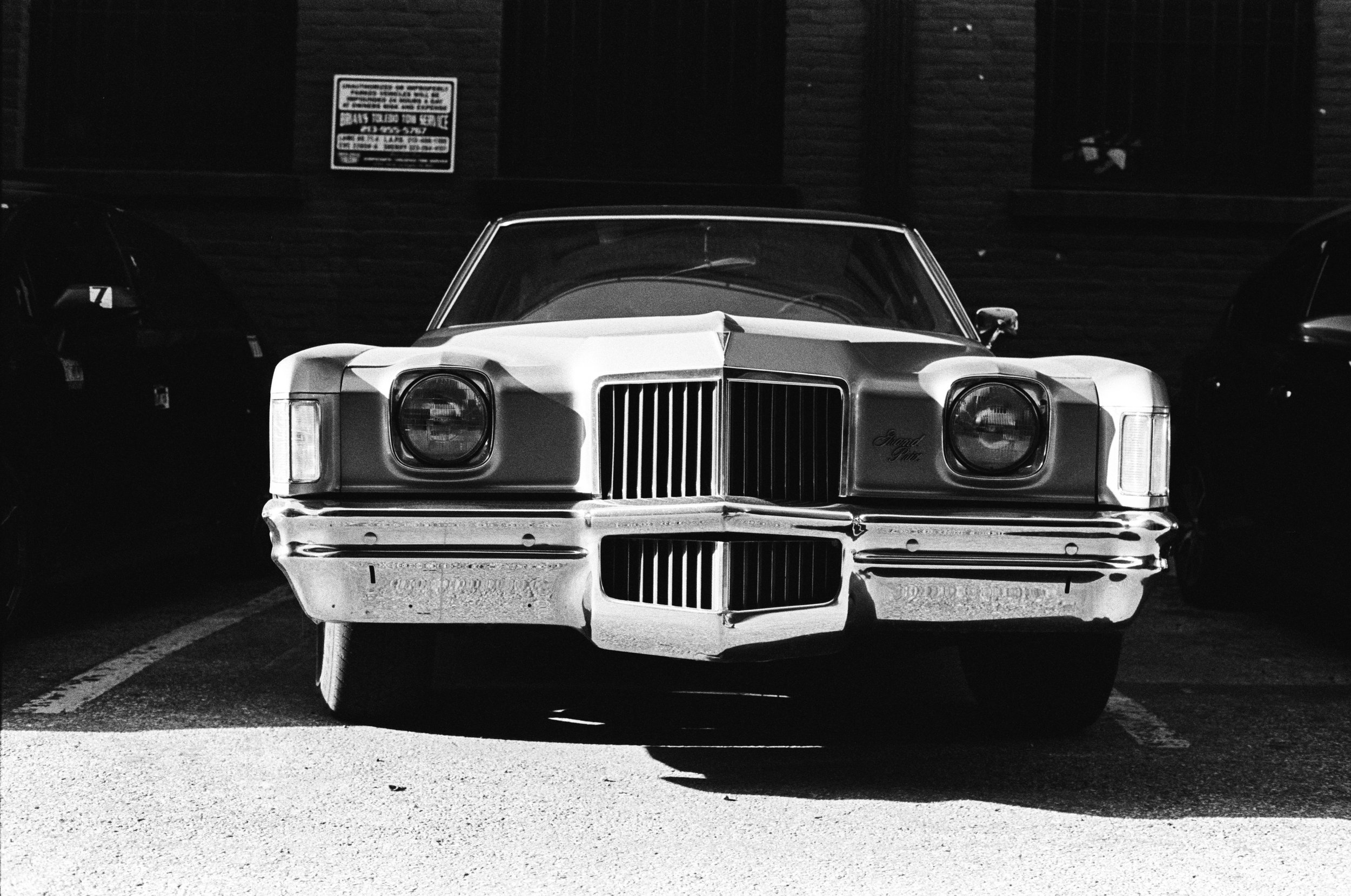
Left is HP5+, and right is TriX 400. Subject is something that used to be a big staple of my work. Classic cars. Both of these films 20th century Pedigrees. On the righ we can see that TriX has that hard contrast TriX is famous for. In this case it looks sharper, but you can see more detail with the HP5+. In post, we could probably edit the ilford, but likely just wind up like the TriX one. I personally like the TriX here. Looks sharper.
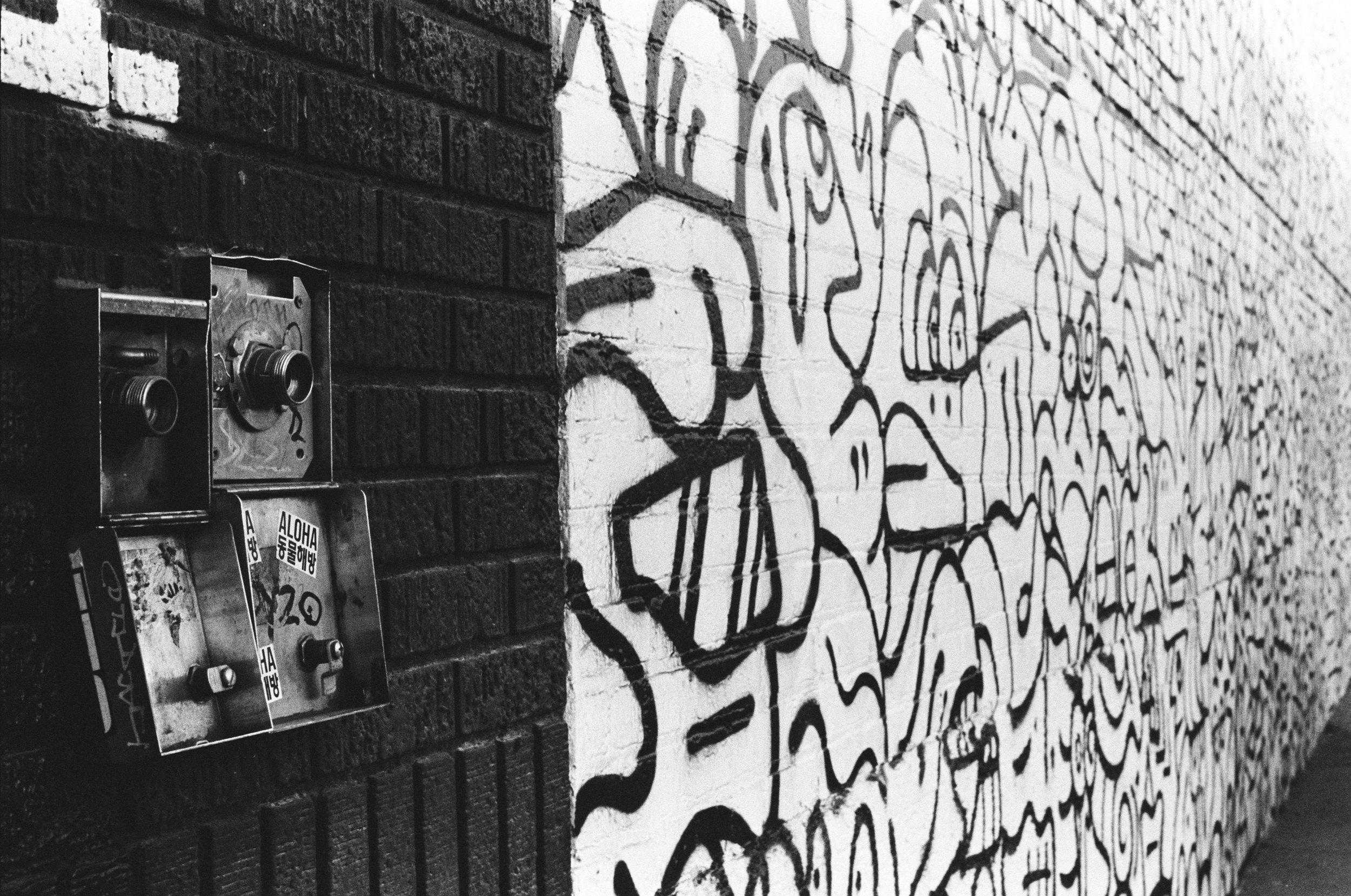
Next up is some Abstract wall art, paired with some sort of hose port. The TriX is more shadowy, and the contrast of the black and white wall art is the same between the two. The HP5+ has better detail of the foreground, and is much clearer here. Win for HP5+

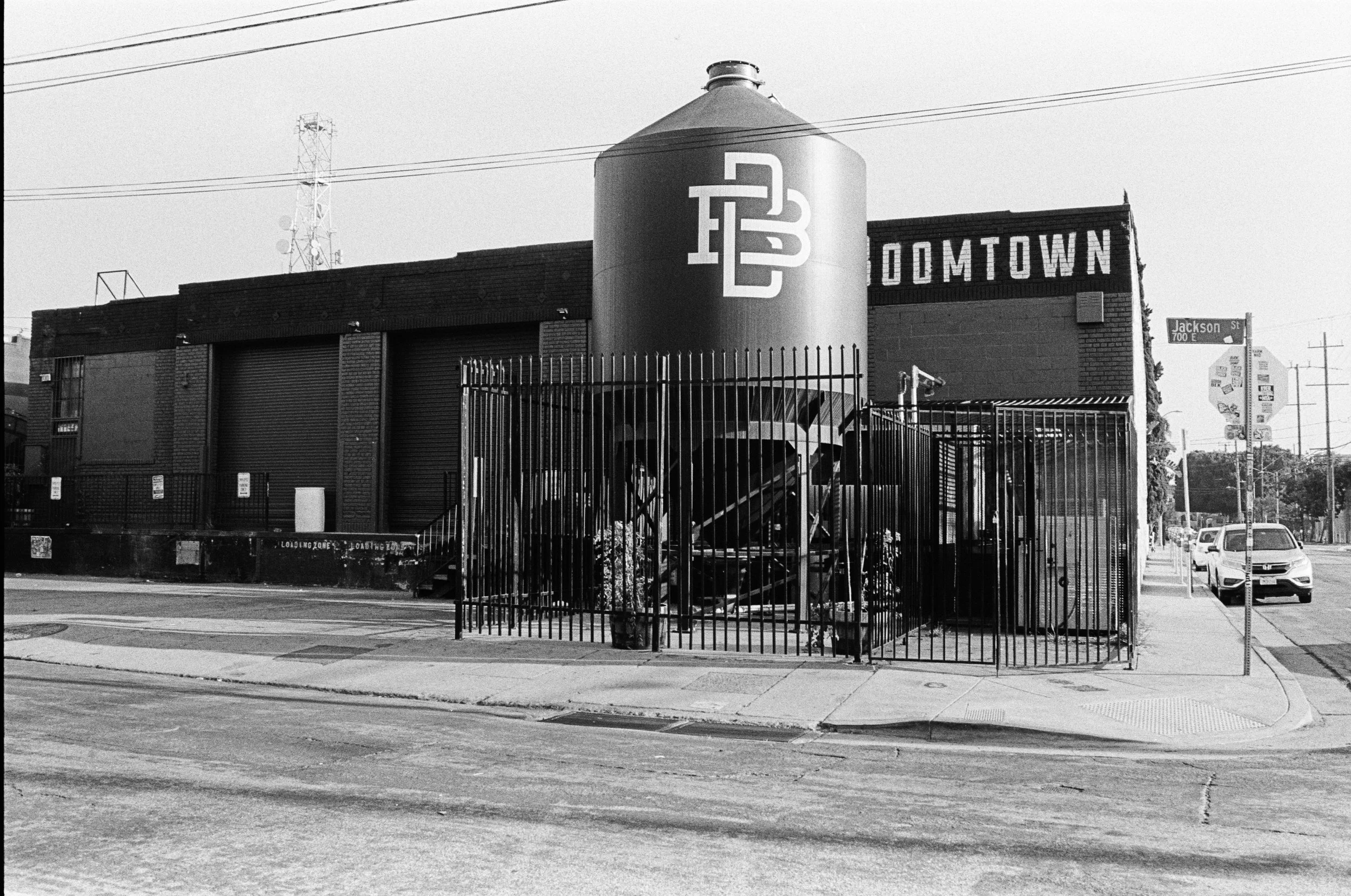
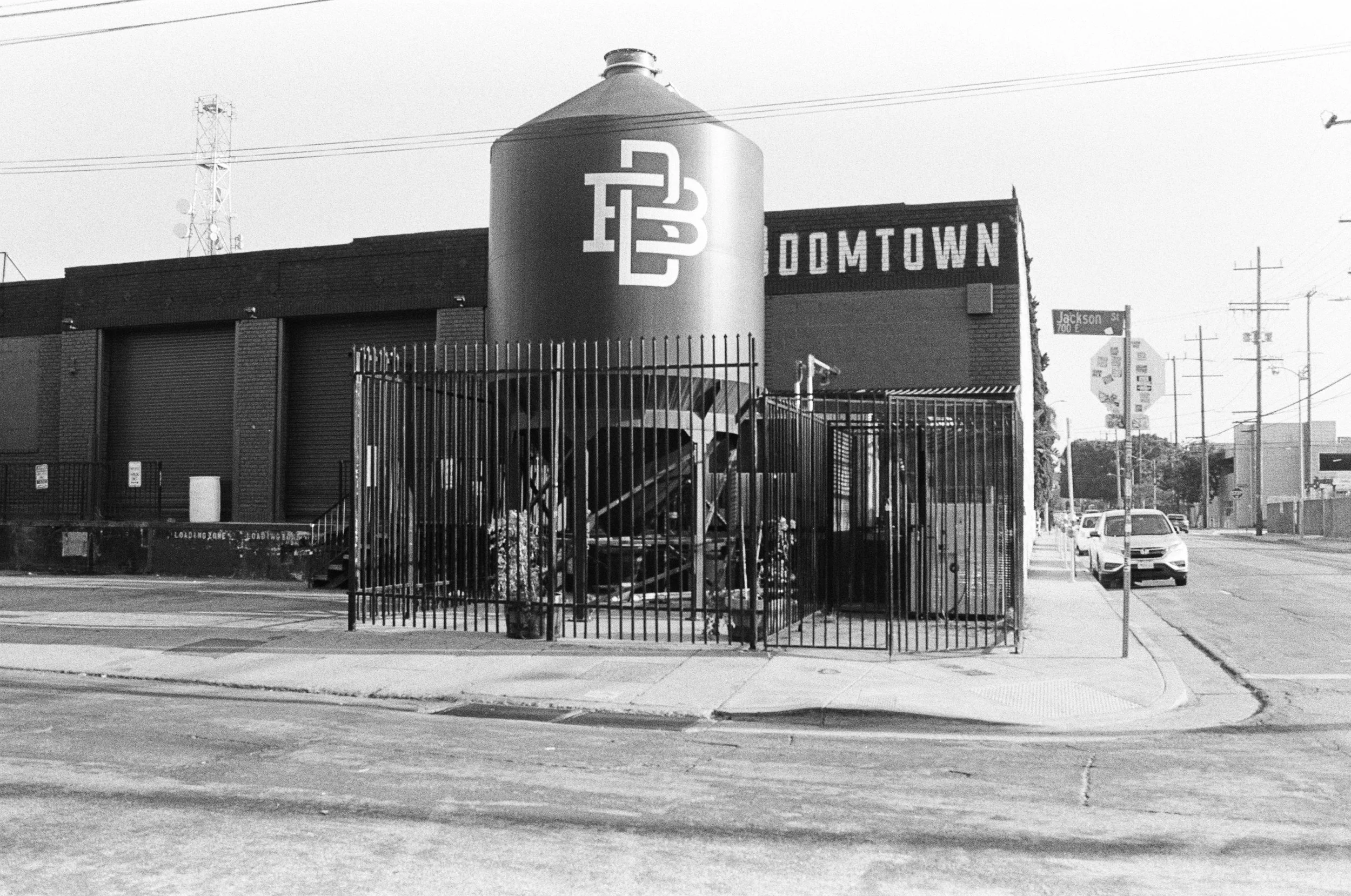
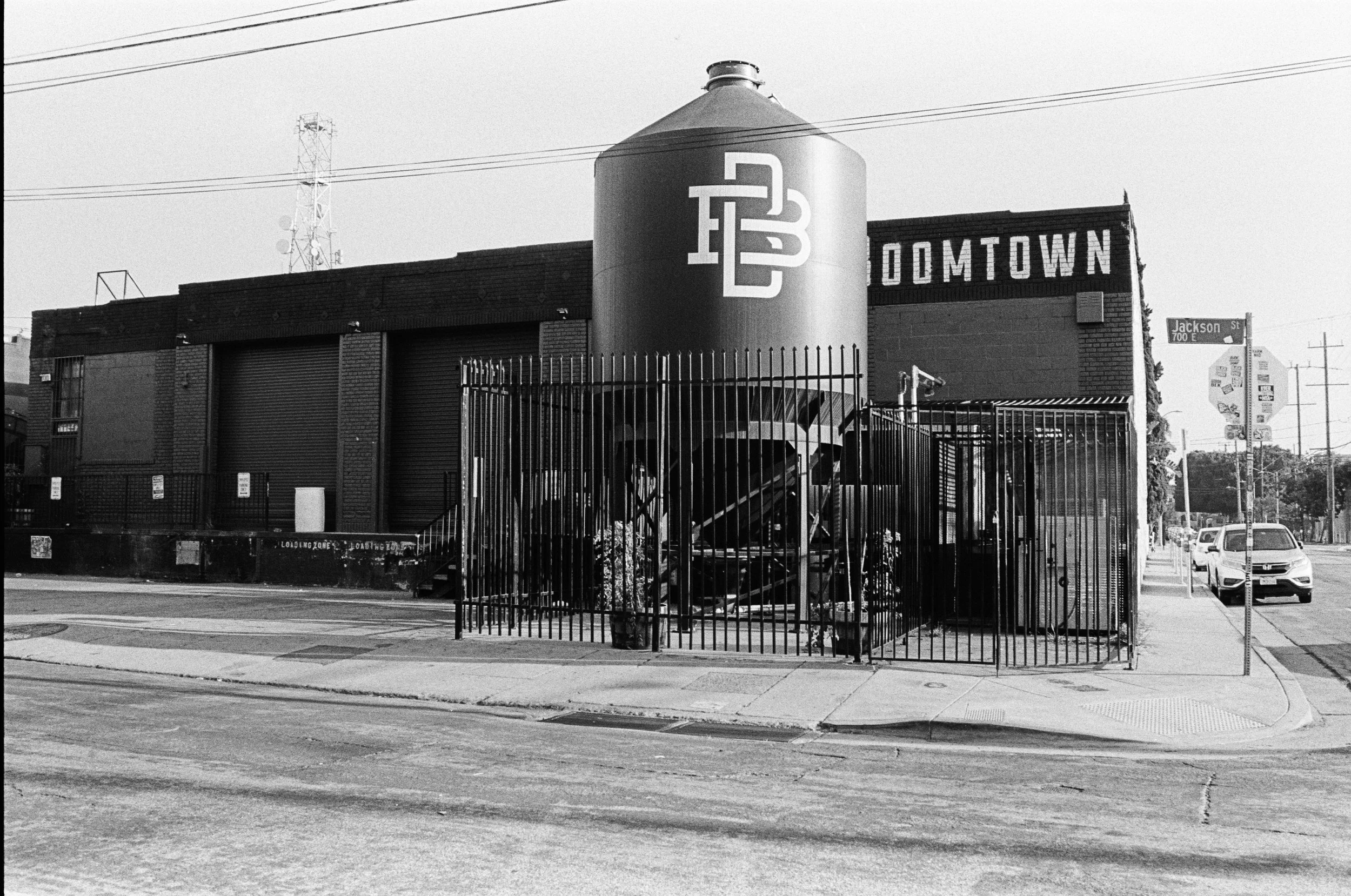
Outside the Boomtown Brewery. Left is HP5+, Right is TriX. The extra contrast from the TriX gives more tones, and more details, and a bit sharper. The HP5+ has a more vintage look, which works great with the industrial looking tank out front of the building. The illusion is broke with the bubble-car style SUVs on the right. Either case, both are fine. I lean to the TriX here, but you could argue for either
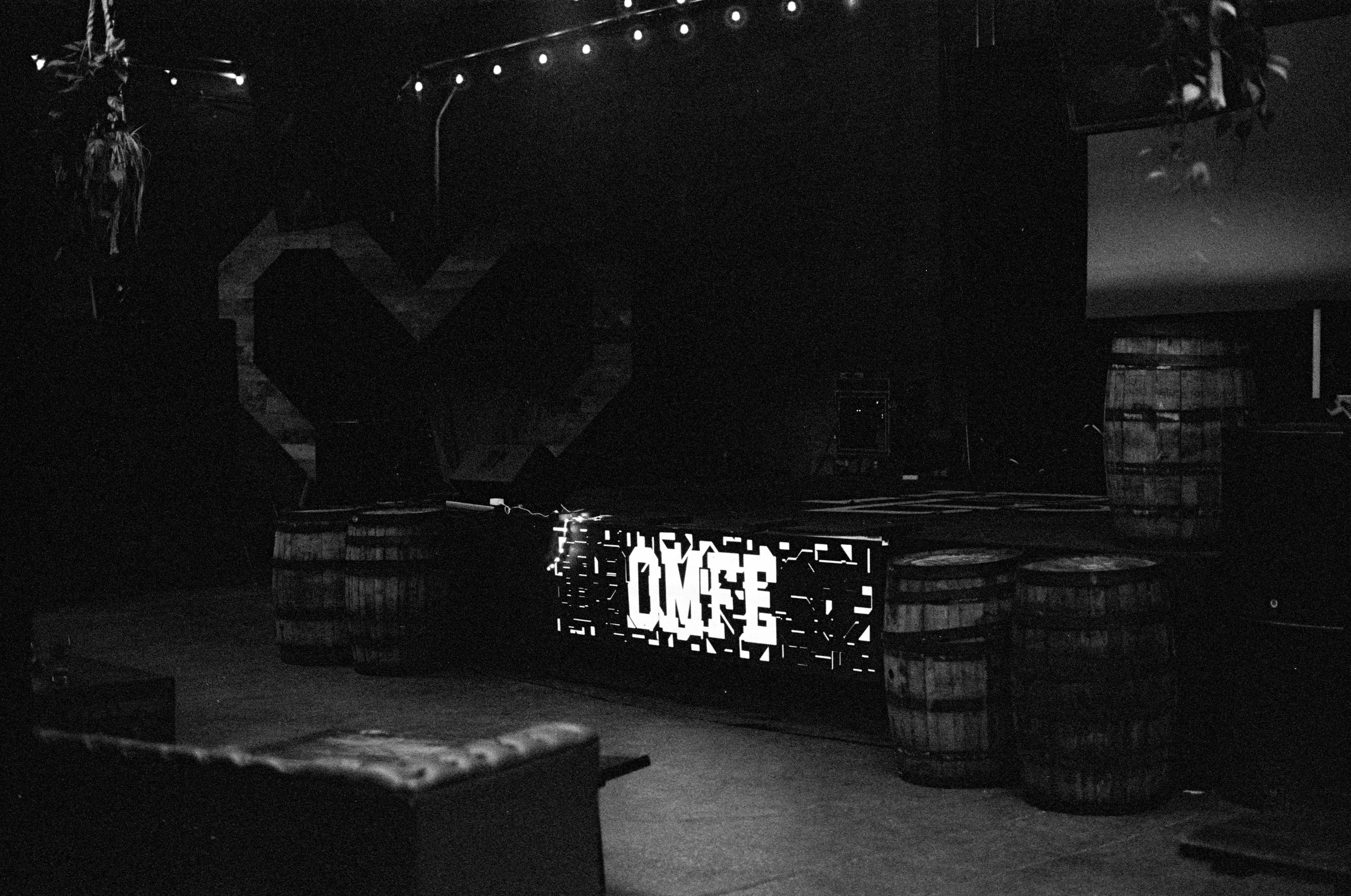
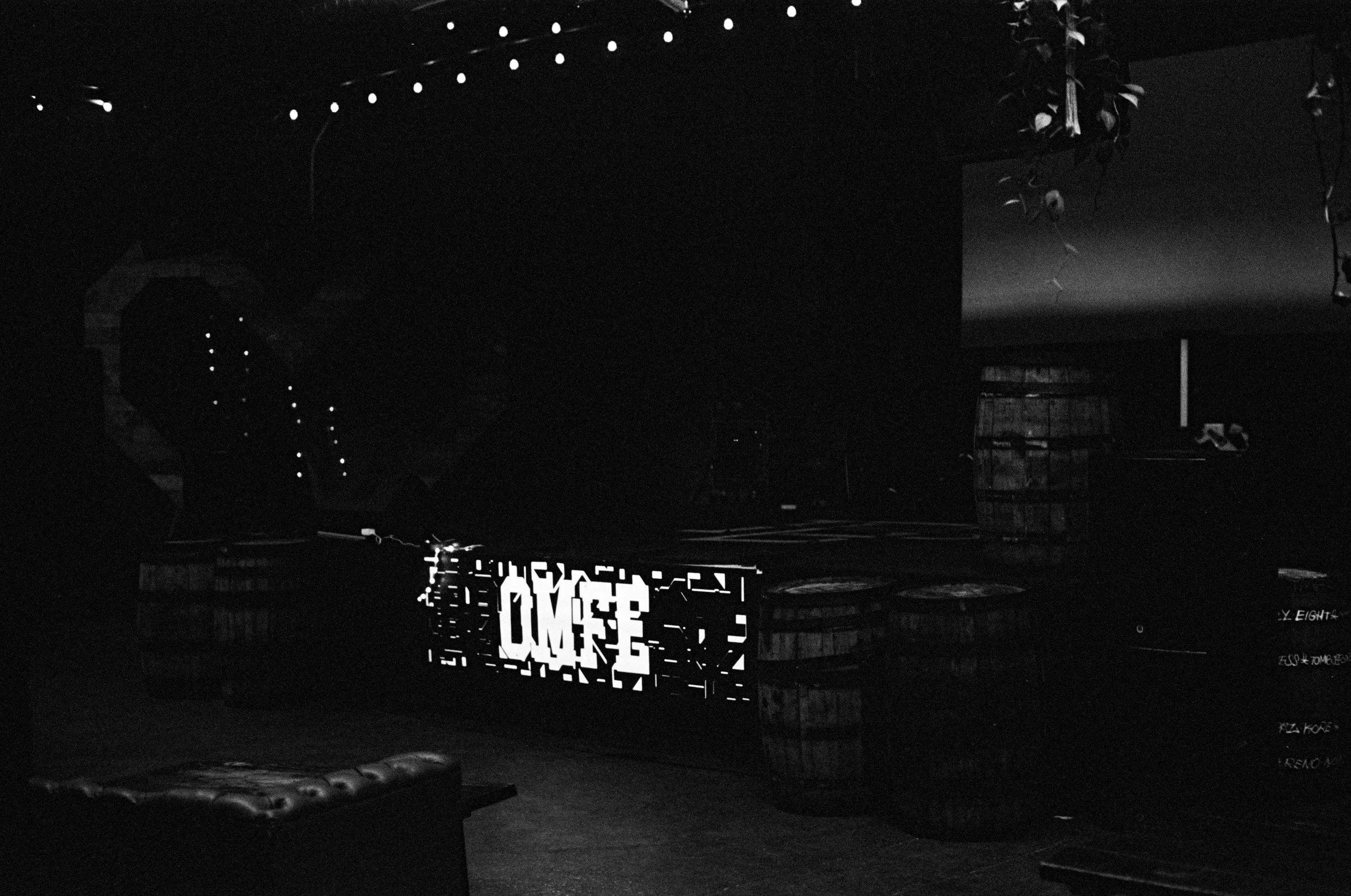
Up next is another favorite subject of mine: Dark stuff. Meter the light source, so we have an overall dark, moody and shadowy scene. Usually these require post processing. But lets compare the unedited photos first. HP5+ on the left, TriX on the right. HP5+ has more detail, but TriX 400 gets more shadow. Neither are publishable as is, but lets see what happens when we apply contrast. Does the extra detail of the HP5 get preserved?
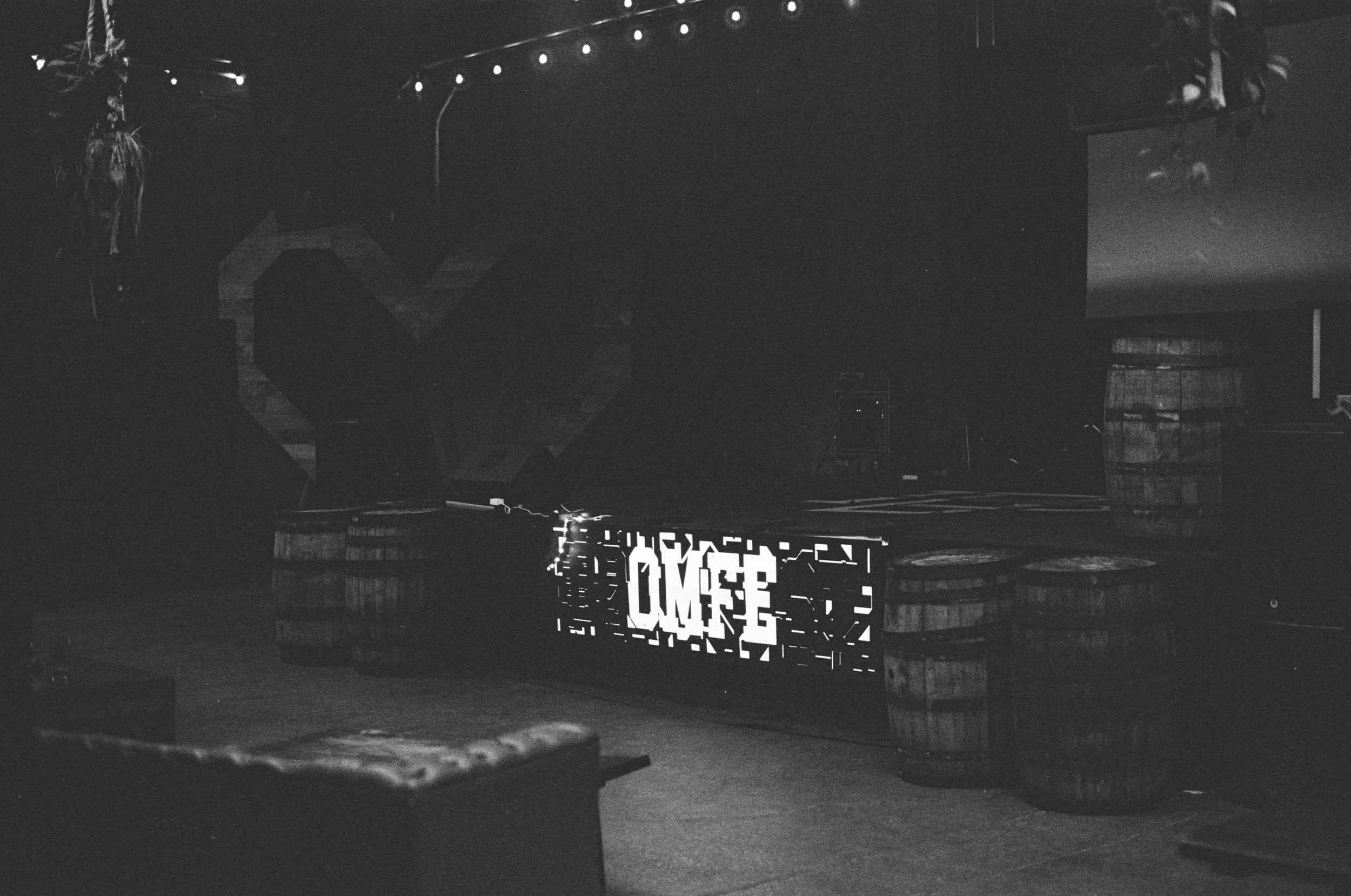
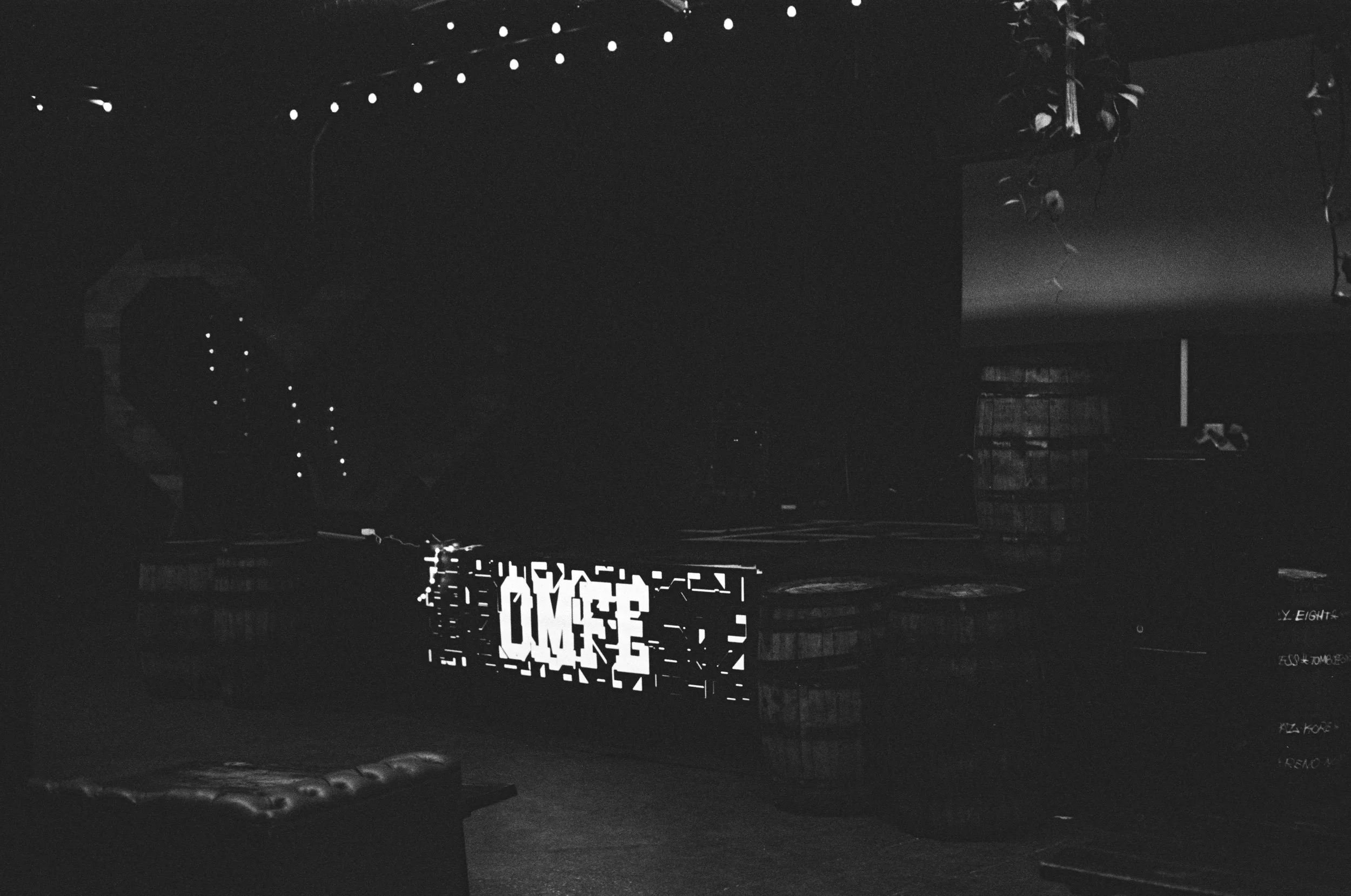
I think still in the miss pile, if due to lack of real subject, but we can get a better view. TriX seems to have better details with highlights, especially look at the couch in the foreground, but the background, HP5 comes out on top. Either case, really a wash
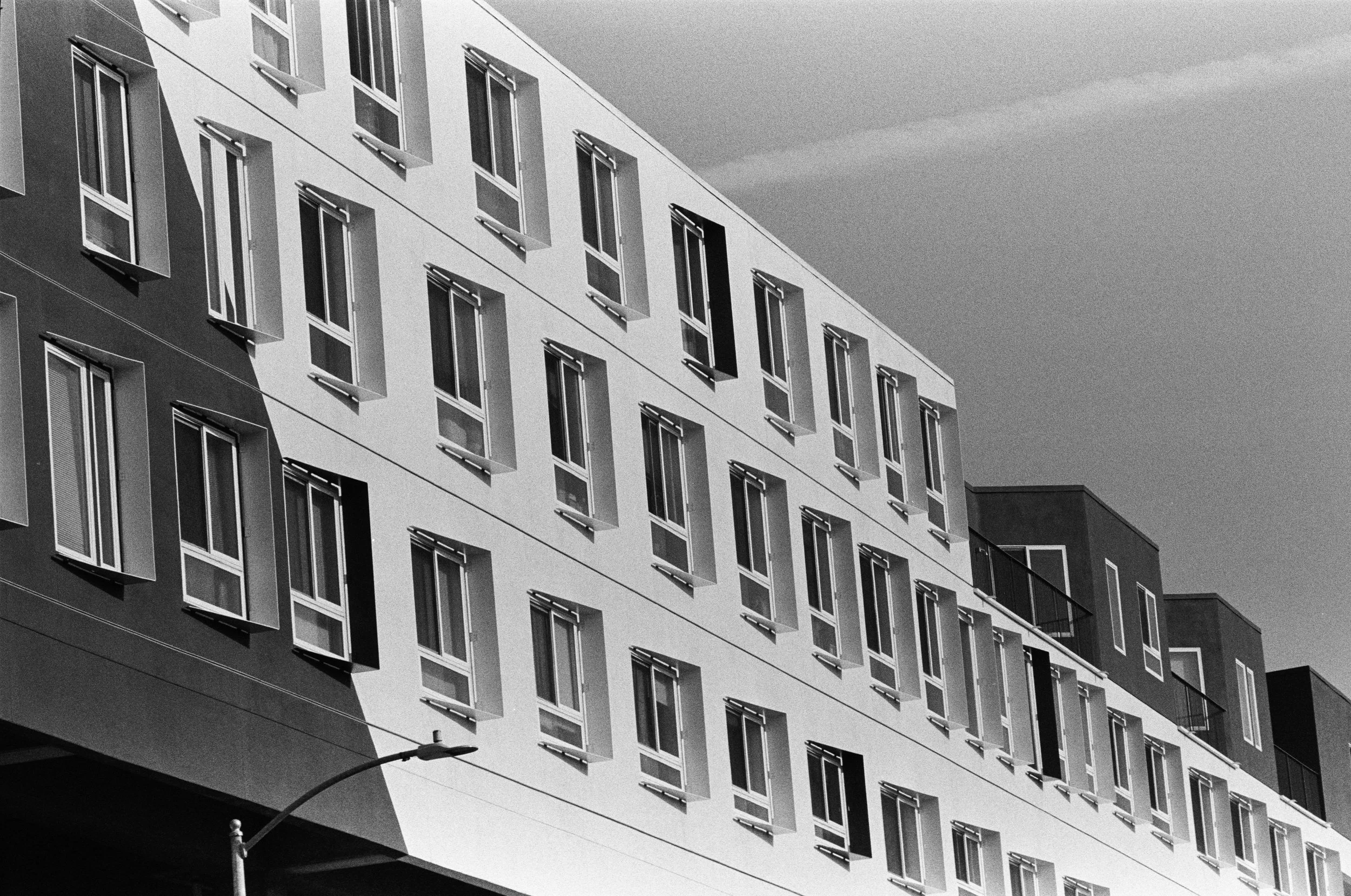
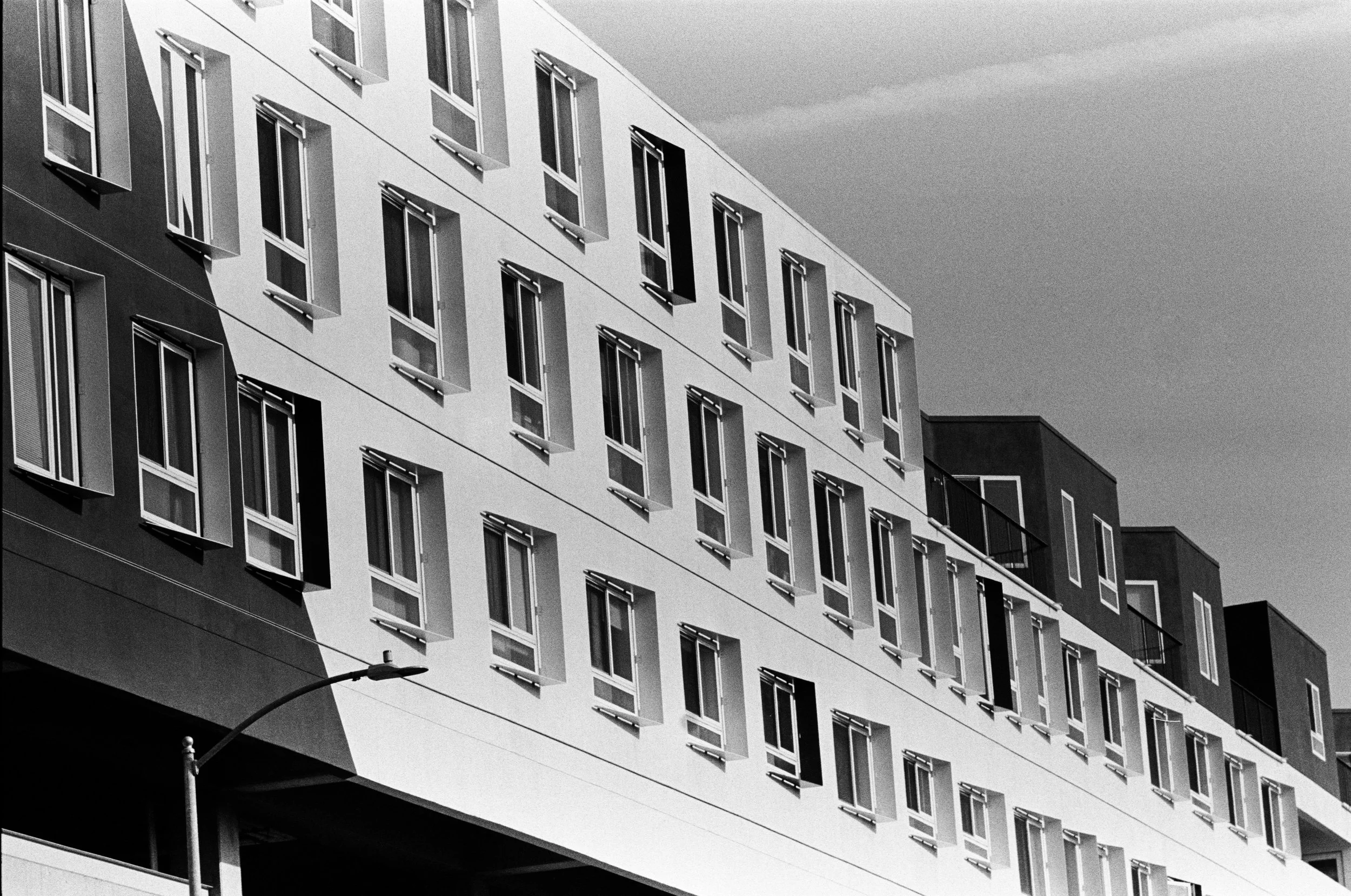
Up next we have some architecture and lines. Left is HP5+, and right is TriX. Here you can really tell the difference between films. Both, are equally good. We have the top right element of the building is a solid mid grey on the HP5+ and a light shade of black on the TriX. The harder contrast of the TriX produces darker more aggressive shades of grey. the HP5+ is greyer and more comforting. They are both equally as sharp, and equally as appealing, very much a presence here. This one is a draw, they are both really good
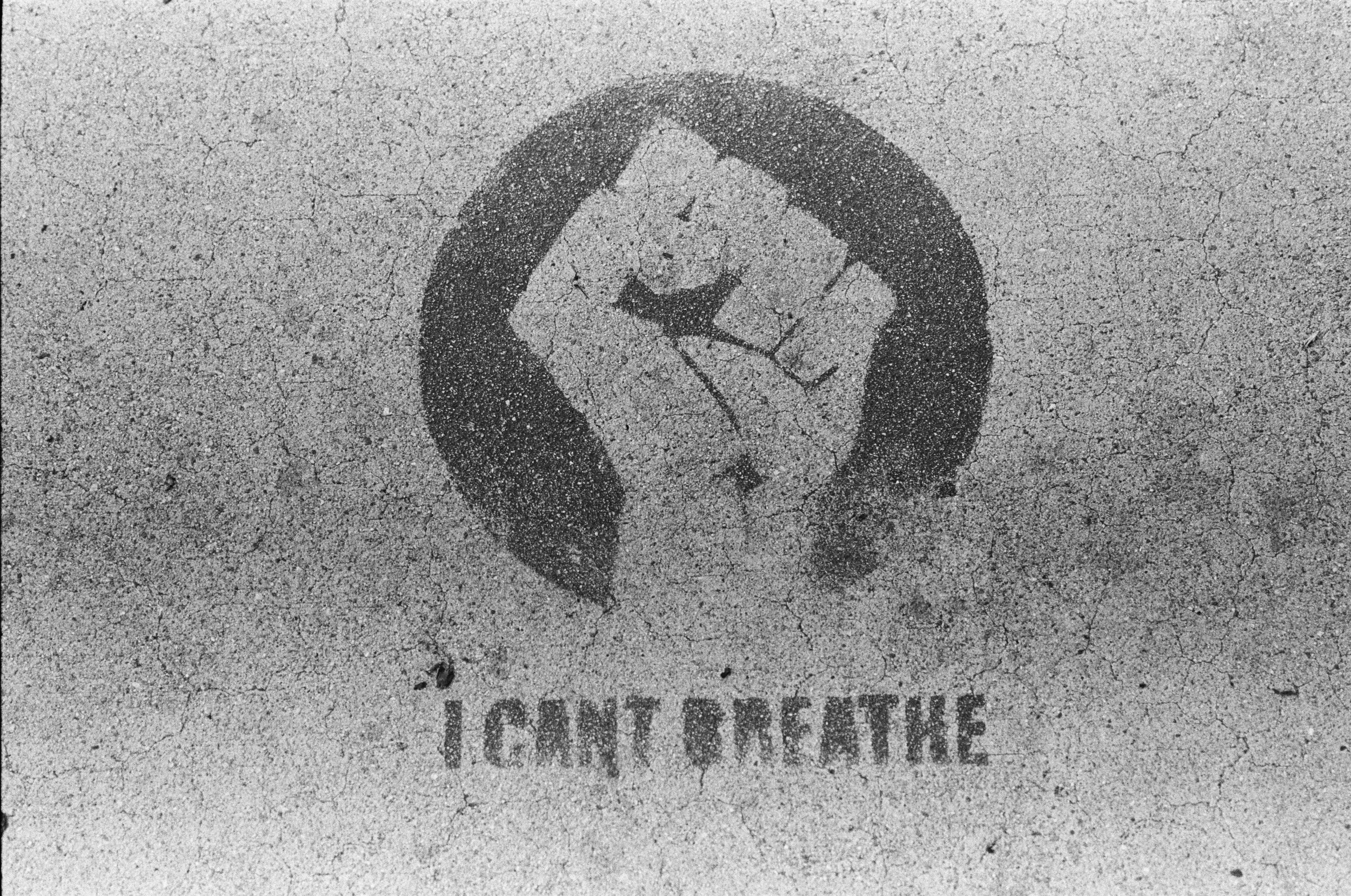
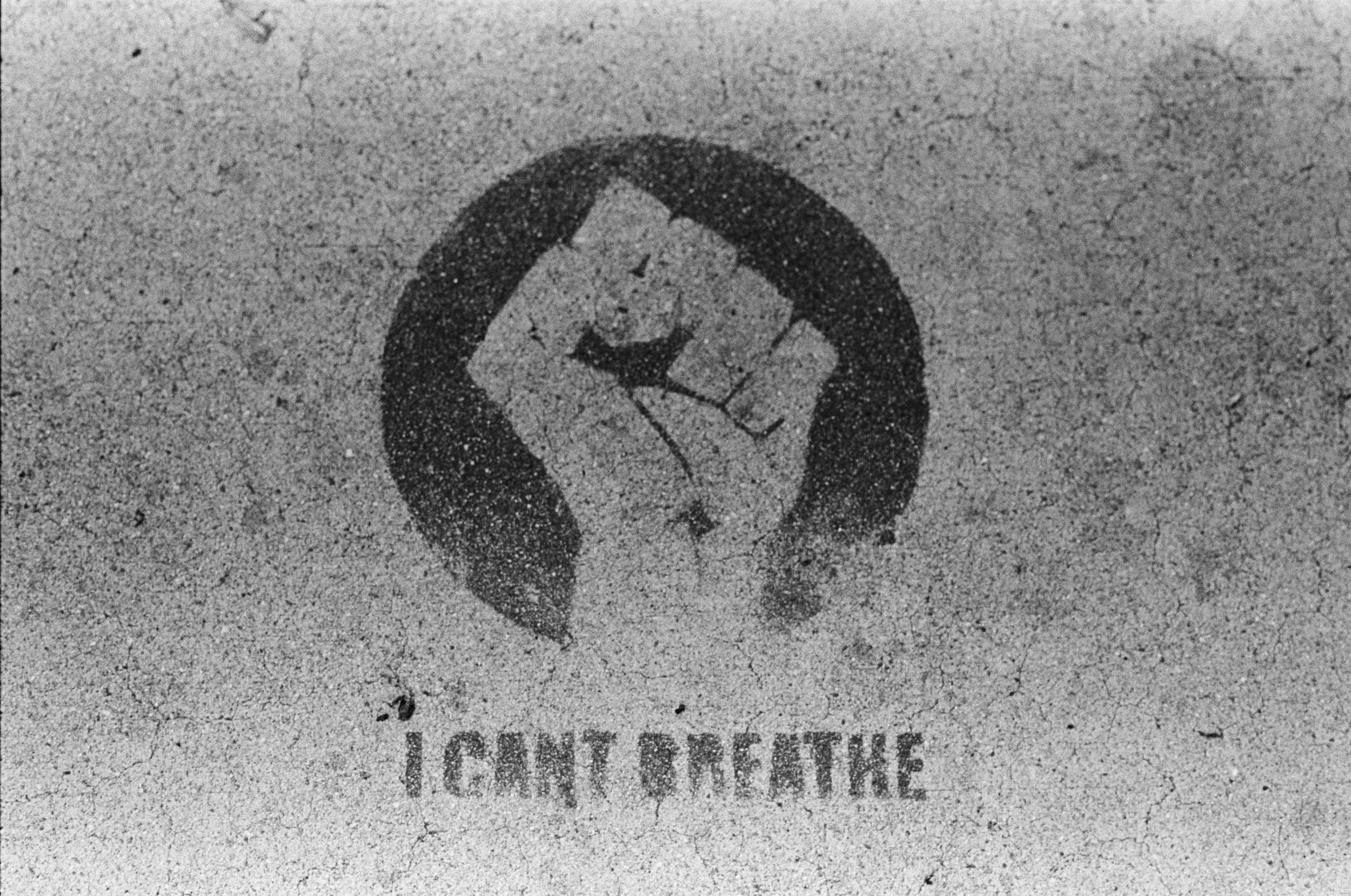
Up next is some street art. Someone stenciled some "Black Lives Matter" graffiti on the sidewalk. Combination of spray paint on concrete gives a very stark, bold, statement-oriented piece. HP5+ on the left, TriX on the right. The TriX is harder contrast and thus, the gives the monolithic piece some pop to it. The HP5+ has much more detail of the concrete. Both are acceptable. Both are good.
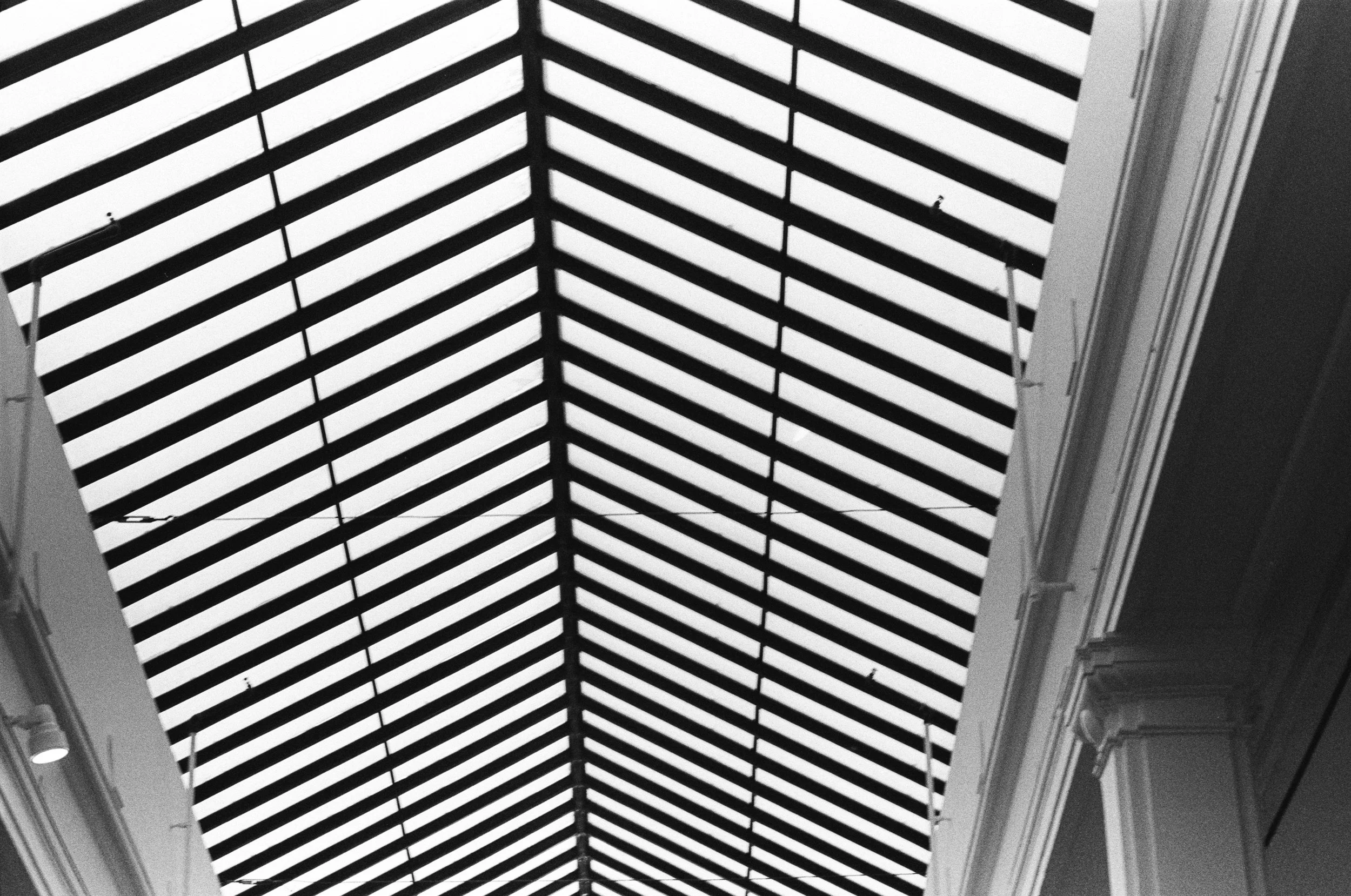
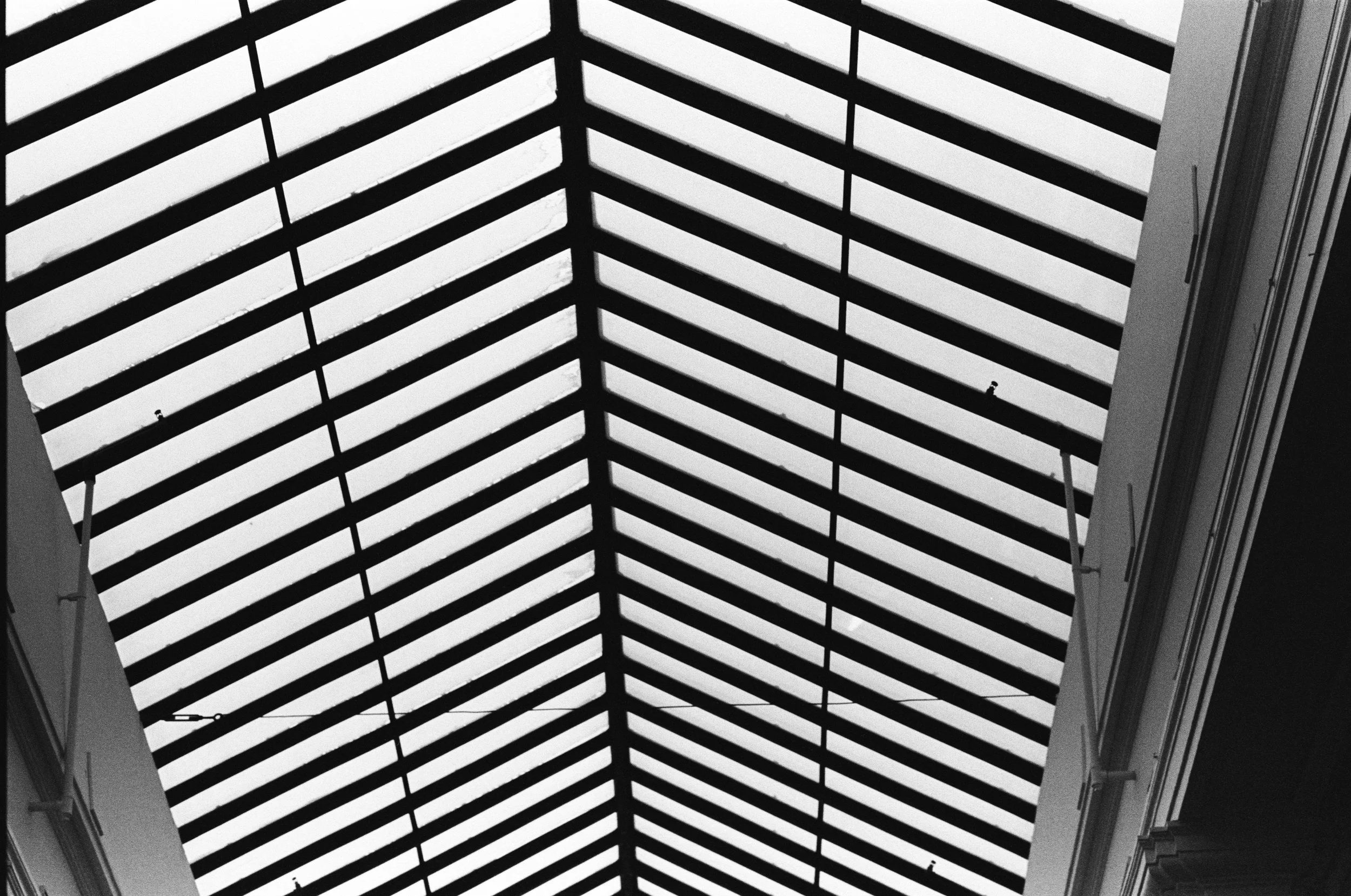
HP5+ on the left, TriX on the right, again. We now move from street to high art in a near by gallery. We can see how both handle abstracts such as lines. For the lines themselves, its about the same. For the sides with the columns, we can see some more contrast with the TriX giving it a slight leg up, but either would be acceptable
For the last two we have some people shots. This is Adam, who runs LA Film lab, and Beer and Cameras LA. Left is HP5+ and right is TriX. I think he's a little more clear with the HP5+, so giving this a win for the HP5+ getting people, especially in shade or shadowy conditions.
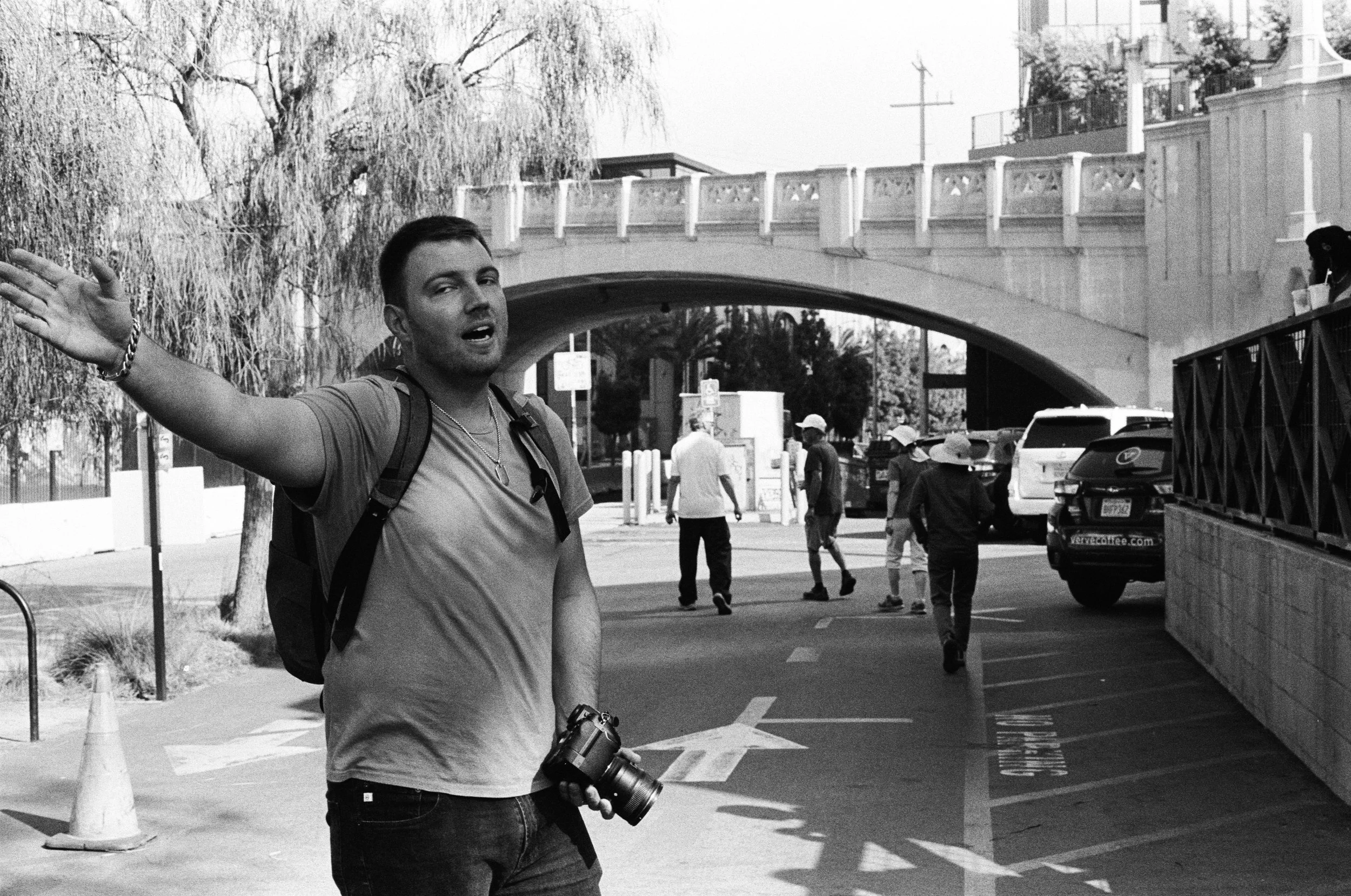
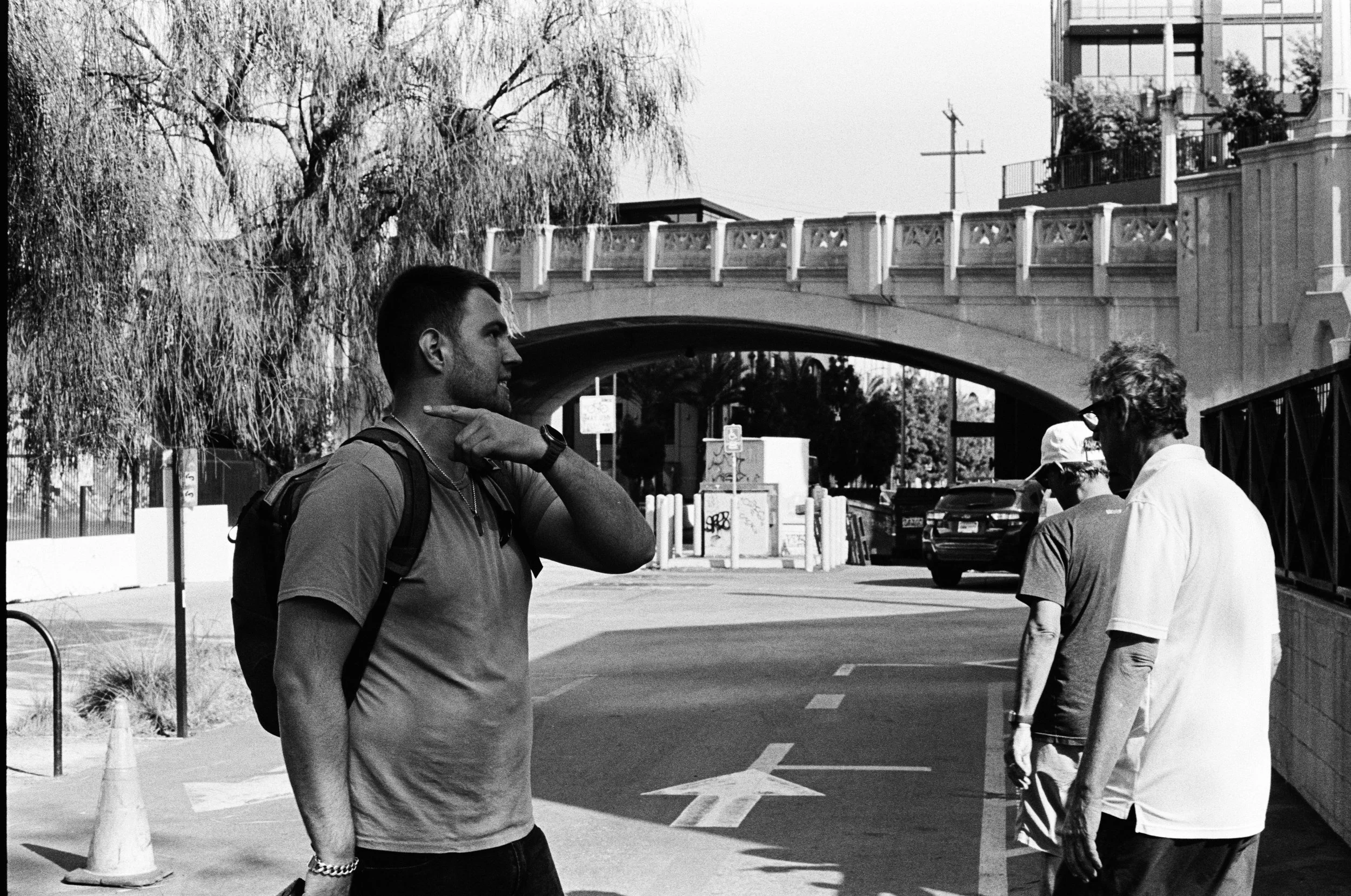
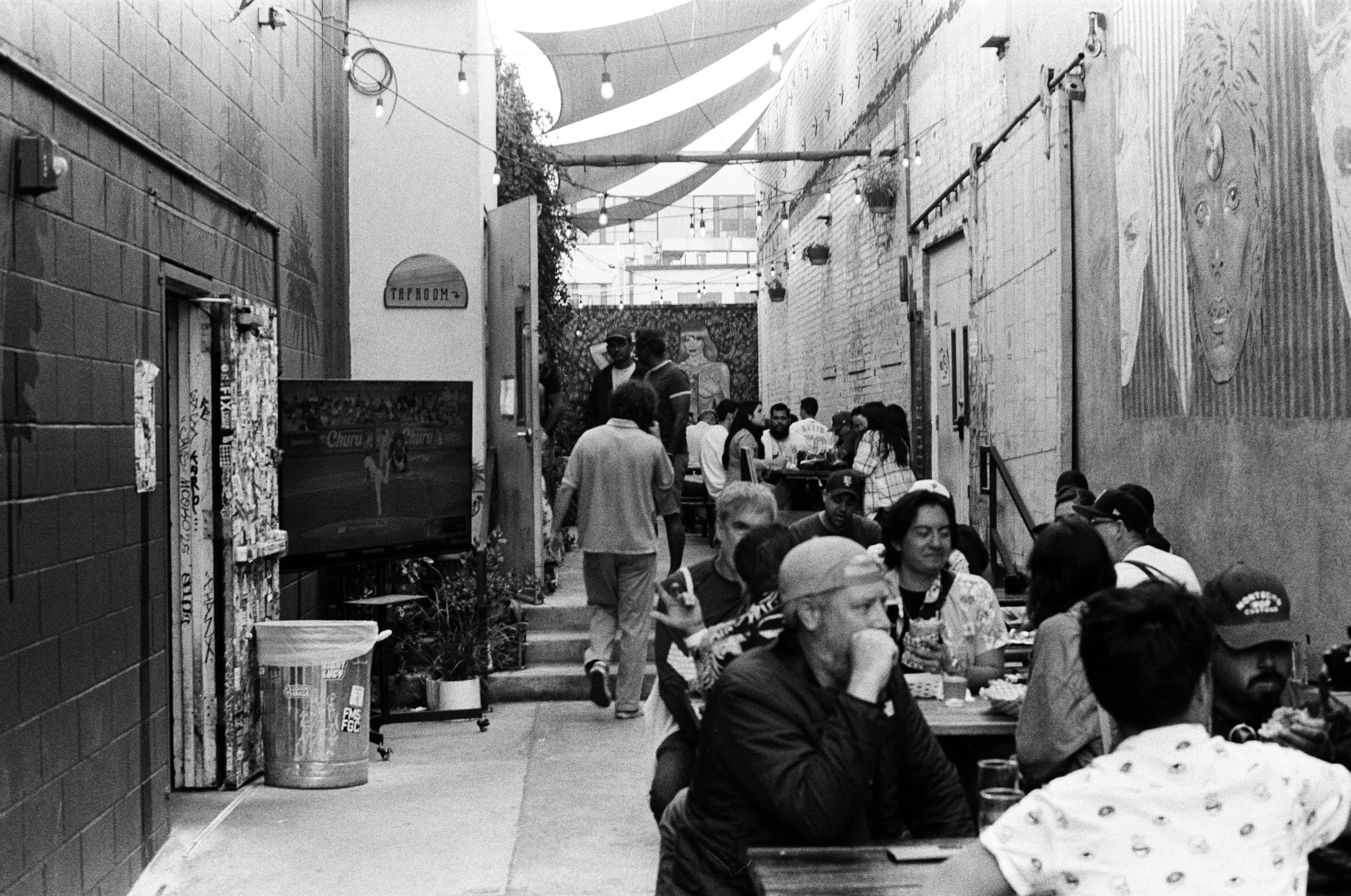
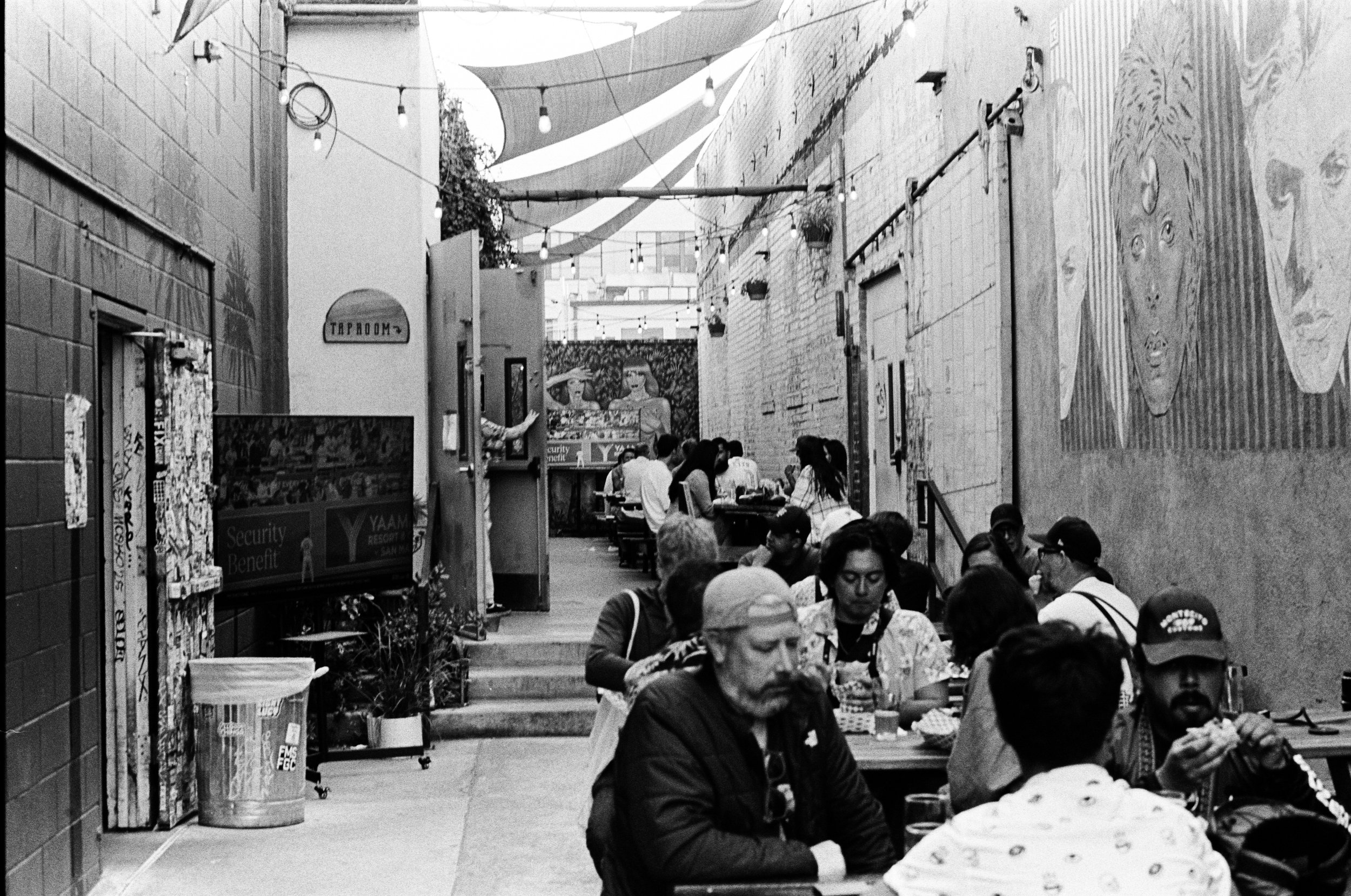
Last is the Beer and Cameras meetup. You have a good variation in skin tones here, so its a good test of shooting people of various races. HP5+(left) dealing with mid-tones better makes it a clear winner for dealing with people.
Conclusion
Each film is going to have diffrent strengths depending on subject and lighting conditions. TriX works better for objects and stark urbanscapes. Especially makes the image look sharper where hi-contrast is needed. For shooting mixed light, and people, HP5+ wins.